
Earthy Living Room Ideas:
How to Bring Nature Indoors (Without It Looking Like a Forest)

“The home should be the treasure chest of living.” — Le Corbusier
You scroll Pinterest for twenty minutes, save forty pins of warm, grounded living rooms with terracotta pots, linen sofas, and wood-paneled walls and then you look at your own living room and feel absolutely nothing. Sound familiar? The earthy aesthetic is everywhere right now, and for good reason. It feels calm, lived-in, and timeless. The best part? It’s one of the easiest styles to pull off without a major renovation or a designer budget. Whether you’re starting from scratch or just freshening up a space, these earthy living room ideas will help you create a room that actually feels like home.
1.
Start With an Earthy Color Palette You Actually Love
The 4-Color Rule That Makes Every Earthy Living Room Look Designer”
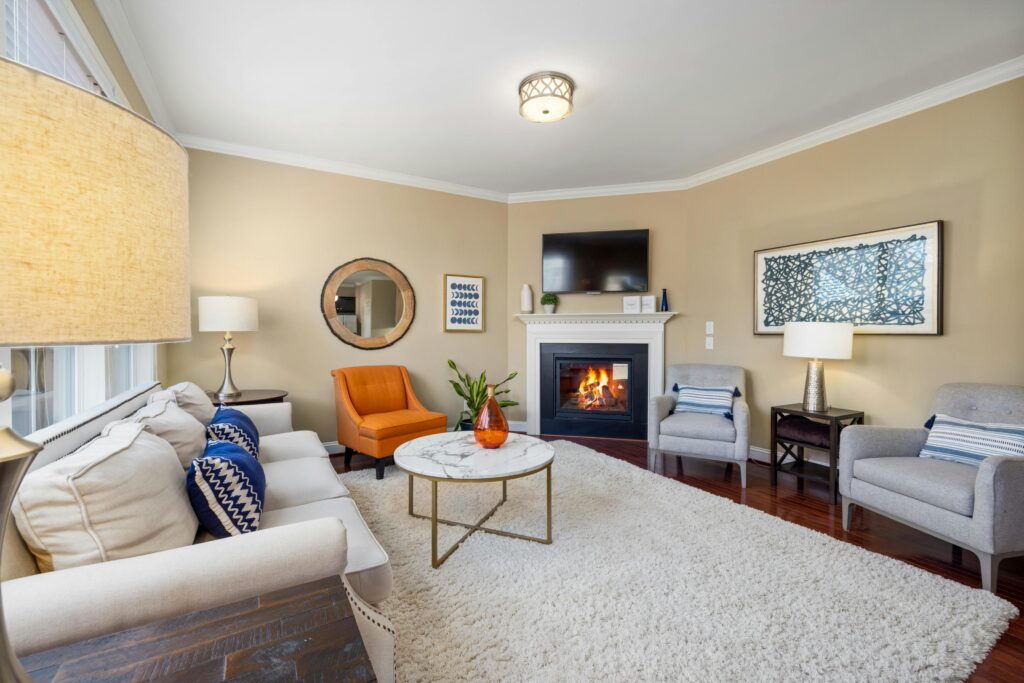
The foundation of any earthy living room is the color story. Forget sterile whites and cold greys earthy tones borrow directly from the outdoors: warm soil, dry clay, tree bark, and sage-covered hillsides.
For walls, consider going with a warm mid-tone rather than stark white. A muted terracotta, a creamy off-white, or a dusty olive green immediately sets the mood before a single piece of furniture goes in. If you’re renting or not ready to paint, no worries — you can build the same palette through textiles, pillows, and art.
Color Palette Options:
Option A — Desert Warmth:
Option B — Forest Floor:
Option C — Coastal Earth:
The key rule: keep your palette to three or four tones, and let one be dominant (about 60% of the room), one secondary (30%), and one accent (10%).
2.
Layer Natural Textures for a Room That Feels Alive
“Why Your Living Room Feels Flat — And the $20 Texture Fix Nobody Talks About”
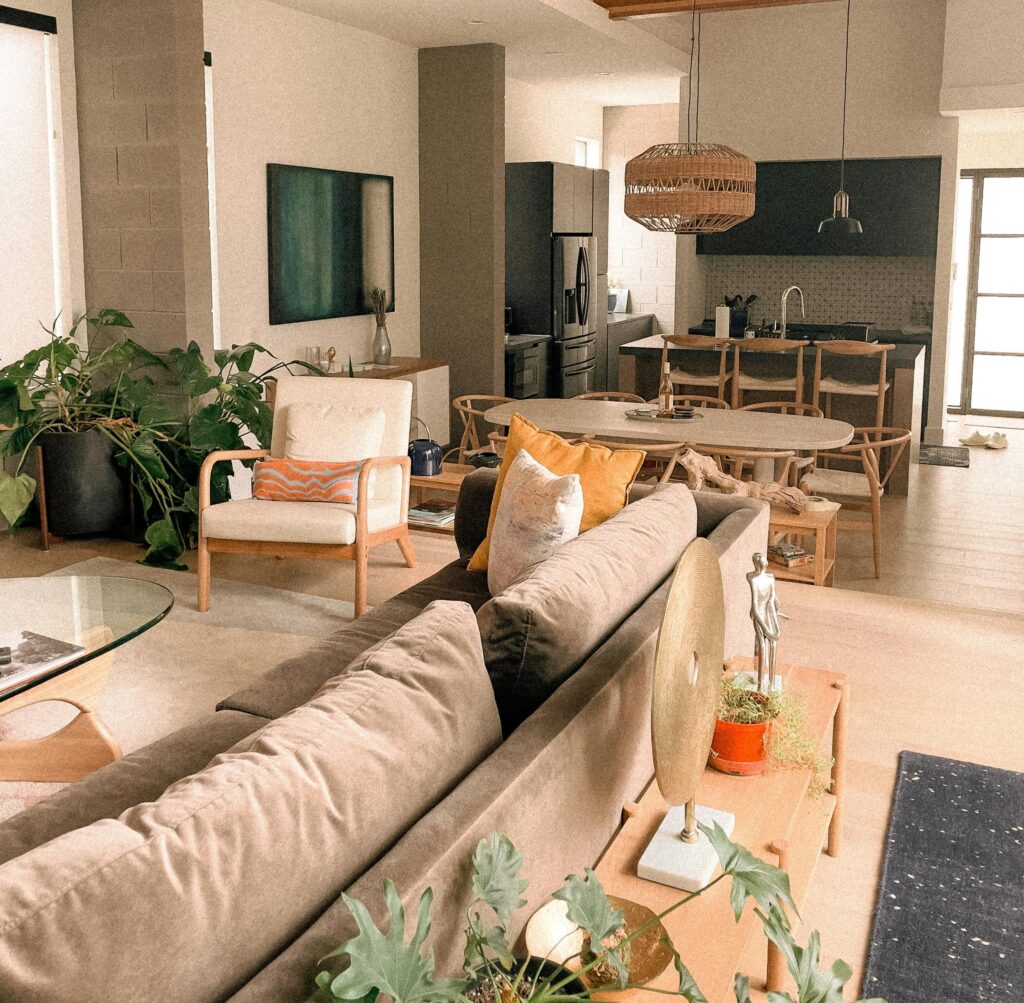
Color gets you halfway there — texture gets you the rest of the way. Earthy living rooms look so rich and inviting because they stack different natural materials together. When light hits a woven jute rug, a linen throw, and a raw wood coffee table all at once, the room just breathes.
Here are three texture combinations that work beautifully together:
FIX 1: The Woven Foundation
Lay a chunky jute or sisal area rug as your base. It’s affordable, durable, and instantly grounds the room. Pair it with a linen or cotton slipcover sofa in a warm neutral. Add a knitted throw blanket in a deeper earthy tone. This combination alone transforms a bare living room into something cozy and intentional.
Fix 2 : The Wood + Rattan Duo
Introduce one piece of solid wood furniture a coffee table, a side table, or a media console — and pair it with a rattan accent chair or a woven pendant light. These two materials have been earthy living room staples forever because they mimic what you’d find on a forest walk: hard, aged wood next to dry, woven grasses.
Fix 3: Stone and Ceramics as Accents
Don’t overlook the small stuff. Swap out plastic or glossy decorative objects with stone bookends, matte ceramic vases, and clay bowls. These little touches cost almost nothing but add enormous texture and authenticity to shelves, coffee tables, and windowsills.
3.
Bring in Plants – But Make It Strategic, Not Chaotic
Stop Buying Random Plants — Do This Instead and Your Room Will Look 10x Better”
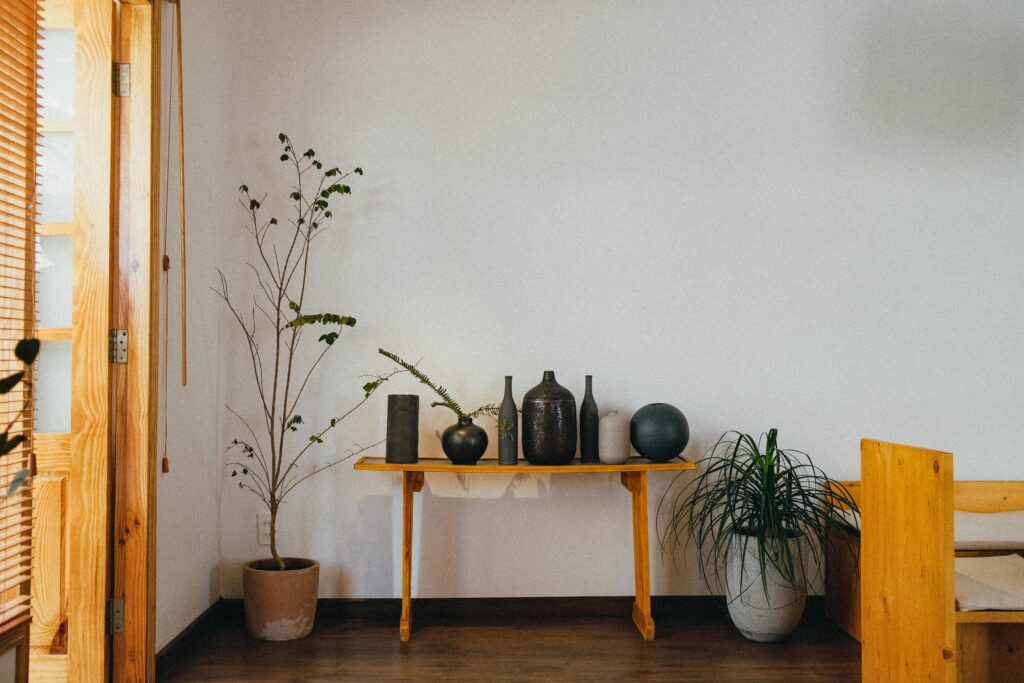
Plants are non-negotiable in an earthy living room. They add life, color contrast, and even improve air quality. But there’s a difference between a thoughtfully styled room with greenery and a space that looks like a greenhouse with a couch in it.
The trick is intentional placement. Pick two or three focal spots and commit to them rather than scattering small pots across every surface.
Color Palette for Plant Styling:
A large fiddle-leaf fig or monstera in the corner of the room acts as a living sculpture. A trailing pothos or heartleaf philodendron on a shelf adds softness. And a cluster of small succulents or air plants on the coffee table brings texture at eye level.
If you don’t have a green thumb, don’t fake it with plastic plants — they undermine the whole natural feel. Instead, go with hardy, low-maintenance options like snake plants, ZZ plants, or pothos. They survive almost anything and look genuinely beautiful.
4.
Mix Old and New for That Warm, Collected-Over-Time Feel
“The Thrift Store Trick Designers Use to Make a Room Look Like It Has a Soul”
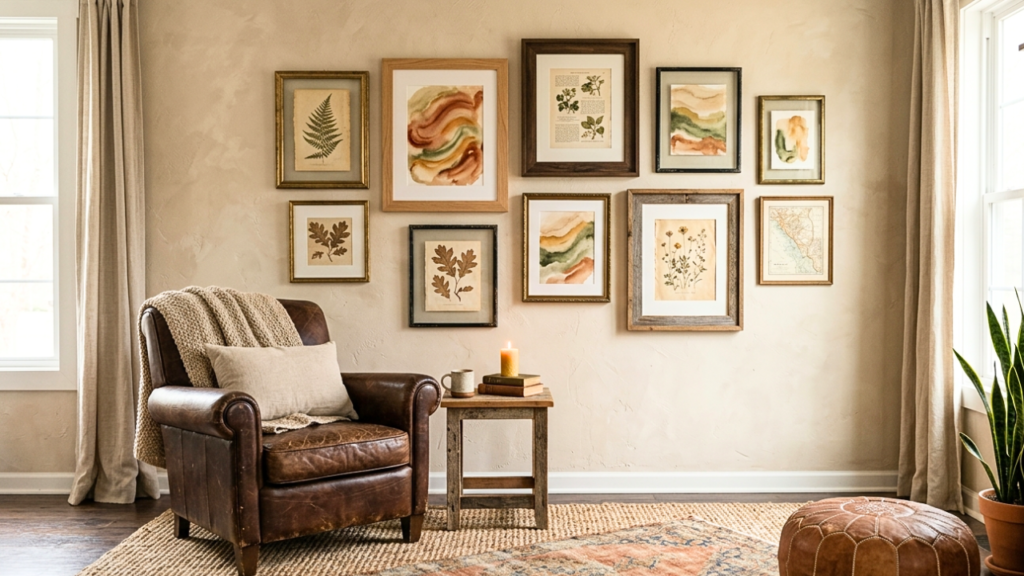
The biggest mistake people make when decorating an earthy living room is buying everything brand new at once. Earthy spaces look best when they feel like they’ve been built slowly a vintage lamp here, an heirloom basket there, a thrifted wooden frame on the wall.
You don’t need to spend a lot. A trip to a thrift store, a flea market, or even Facebook Marketplace can turn up linen cushion covers, aged wooden trays, ceramic pitchers, and vintage mirrors that add soul to your space.
Color Palette for a Warm Vintage Mix:
Fix 1 : The Gallery Wall, Done Earthy:
Pull together a few mismatched frames in wood, brass, and black. Fill them with botanical prints, abstract earthy watercolors, or even pages from an old nature book. Keep the frame sizes varied but the color tones consistent (warm, muted, natural).
Fix 2 : One Statement Vintage Piece
Let one secondhand find anchor the room. A vintage Moroccan pouf, a worn leather armchair, or a reclaimed wood console table tells a story that no brand-new piece ever will.
Fix 3 : Layer Your Rugs
Layering a smaller vintage-style rug over a larger neutral jute rug is a designer trick that adds enormous warmth and depth. It also lets you introduce a subtle pattern think faded Persian or Berber styles without overwhelming the space.
CONCLUSION
“In every walk with nature, one receives far more than one seeks.” — John Muir
Creating an earthy living room isn’t about following trends it’s about building a space that feels genuinely calming, grounded, and yours. Start with a warm color palette, layer in natural textures, add some strategic greenery, and mix in a few pieces that have history to them. You don’t need to do it all at once. In fact, the best earthy rooms are built slowly, one intentional piece at a time. Pick one idea from this list and start there your living room will thank you.