
fire pit ideas
By Anna Grace | 13 January 2026
Fire Pit Ideas That Fit Your Yard, Your Budget, and How You Actually Live
Ever bought something for your backyard that looked amazing in the store and then just… sat there? Fire pits are notorious for this. People drop serious cash on a fancy setup, use it twice, and then it becomes an expensive plant stand. So before you sink money into another backyard project, let’s talk about fire pit ideas that people genuinely use week after week not just the ones that photograph well for Pinterest.
I redid my own patio last spring and went through three different fire pit concepts before landing on one that actually gets lit (pun intended) most weekends. The lesson? The best fire pit isn’t the prettiest one. It’s the one that fits how you actually live outside.
Match the Fire Pit Style to How You Actually Use Your Yard
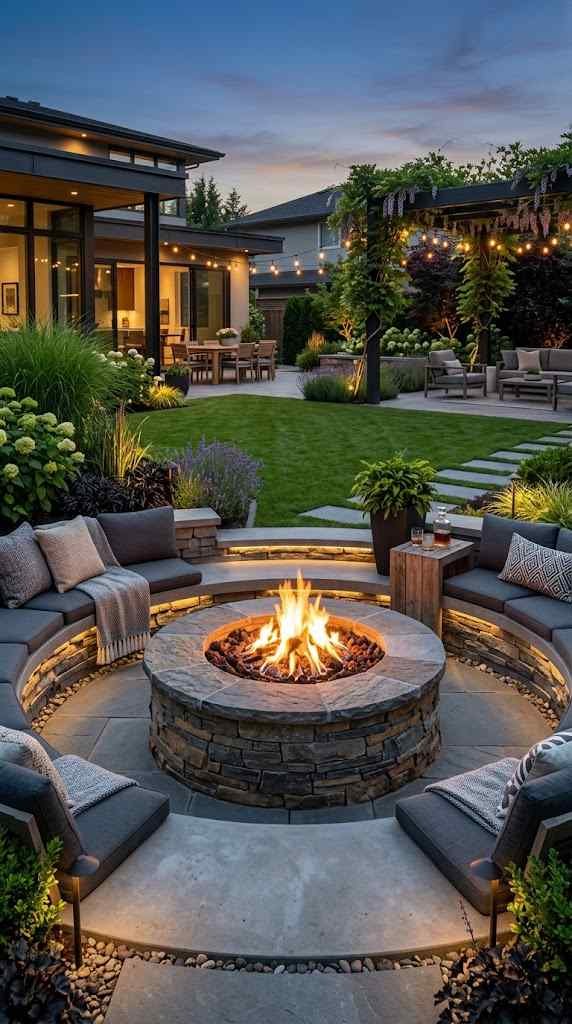
Before you even think about materials or shapes, figure out your use case. Are you hosting big backyard parties, or is this mostly a quiet spot for two people and a bottle of wine? IMO this is the step most homeowners skip, and it’s why so many fire pits end up abandoned.
Built-in stone fire pits work best for permanent entertaining spaces where you’re regularly hosting groups. They’re sturdy, they look intentional, and they can double as extra seating with a wide ledge. The downside is cost and commitment once it’s poured, it’s poured.
Portable metal fire pits make more sense for renters, small yards, or people who like to rearrange their space seasonally. You can move them, store them, and take them camping if you’re feeling ambitious. They heat up fast too, which matters more than people expect on a chilly evening.
In-ground pits are a great middle option if you want something semi-permanent without the full masonry commitment. Dig, line, done. They also tend to blend into naturalistic landscaping better than a big stone circle plopped in the middle of the lawn.
There’s also a location factor people overlook entirely. Fire pits placed too close to fences, sheds, or overhanging trees create real safety risks and can violate local ordinances without you even realizing it. Most municipalities require a minimum distance from structures, and some neighborhoods have specific rules about visible flame versus enclosed fire features. Checking your local code before you dig or build saves you from a very awkward conversation with a fire marshal later.
Wind patterns matter more than most people plan for too. A pit tucked into a corner that funnels wind will send smoke straight into your seating area no matter how nice the design looks. Walking your yard at different times of day, noting where the breeze typically comes from, helps you avoid placing a beautiful fire feature in a spot nobody wants to sit near.
Think about sightlines from inside your house as well. A fire pit visible from your kitchen window or back door gets used far more often simply because it’s a visual reminder every time you walk by. Out of sight often means out of mind, even with something as appealing as a crackling fire.
A quick gut-check question: how many people are usually around your fire pit? Two? Twelve? Somewhere awkwardly in between? That answer should shape everything else on this list.
Fuel Type Changes the Whole Experience
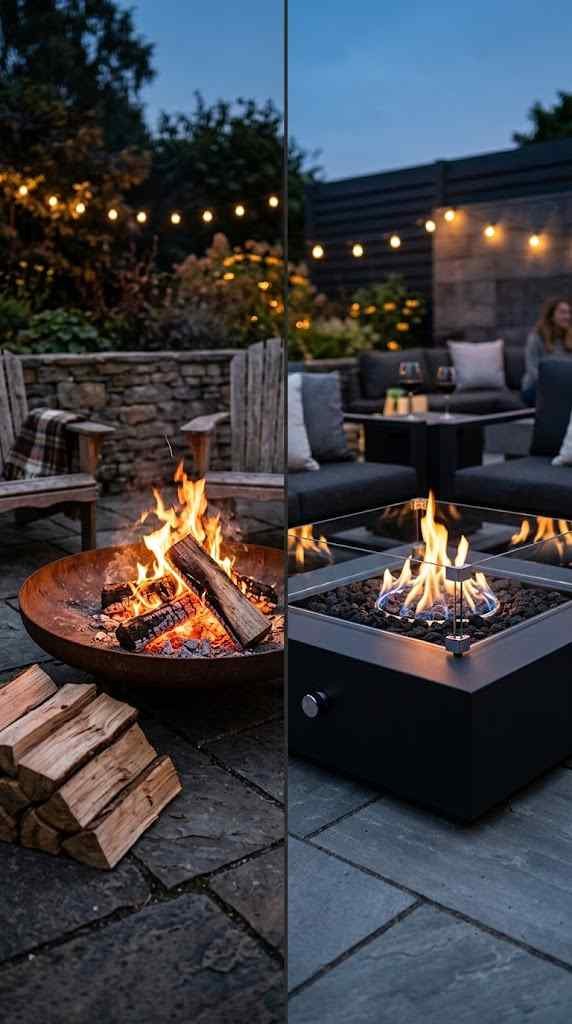
This part trips people up constantly, and honestly, it tripped me up too. I assumed wood-burning was just “the real way” to do it until I lived next to someone who used theirs three times a year because hauling firewood got old fast.
Here’s a quick breakdown of the main options:
- Wood-burning: Classic crackle-and-smoke experience, best ambiance, but requires storage space and more maintenance (ash cleanup, spark control).
- Propane: Push-button convenience, no smoke smell clinging to your clothes, ideal for smaller patios or apartments with fire restrictions.
- Natural gas: Similar convenience to propane but requires a gas line hookup, which usually means a bigger upfront installation cost.
- Gel fuel: Great for small balcony setups or decorative tabletop pits where a full fire feature isn’t practical.
If smoke bothers your neighbors, or you live somewhere with burn bans in summer, propane solves a lot of headaches immediately. If you want the actual sensory experience the smell, the sound, the slightly chaotic sparks wood wins every time. There’s no universally “better” fuel type here, just a better fit for your situation.
Cost differences between fuel types add up over time, and it’s worth running the numbers before committing. Wood is often cheapest per use if you have access to free or low-cost firewood, but propane tanks refill for roughly $20-25 and last several nights of moderate use. Natural gas costs the least per session since it’s billed through your existing utility, though the installation expense upfront can offset those savings for years.
Maintenance requirements vary just as much. Wood-burning pits need regular ash removal and occasional creosote cleanup if they’re enclosed, while propane and natural gas setups mainly require checking connections and burner ports for debris. Neither is difficult, but one definitely demands more hands-on attention than the other.
Climate plays a role too. Areas with strict burn bans during dry seasons practically force a switch toward gas or propane if you want reliable year-round use. Meanwhile, colder regions with long, humid winters tend to see wood-burning pits used more consistently since burn restrictions are less common. Matching fuel type to your actual climate patterns, not just personal preference, prevents that frustrating scenario where a fire pit sits unused for months at a time because local restrictions made it impractical.
Materials and Shapes Worth Considering
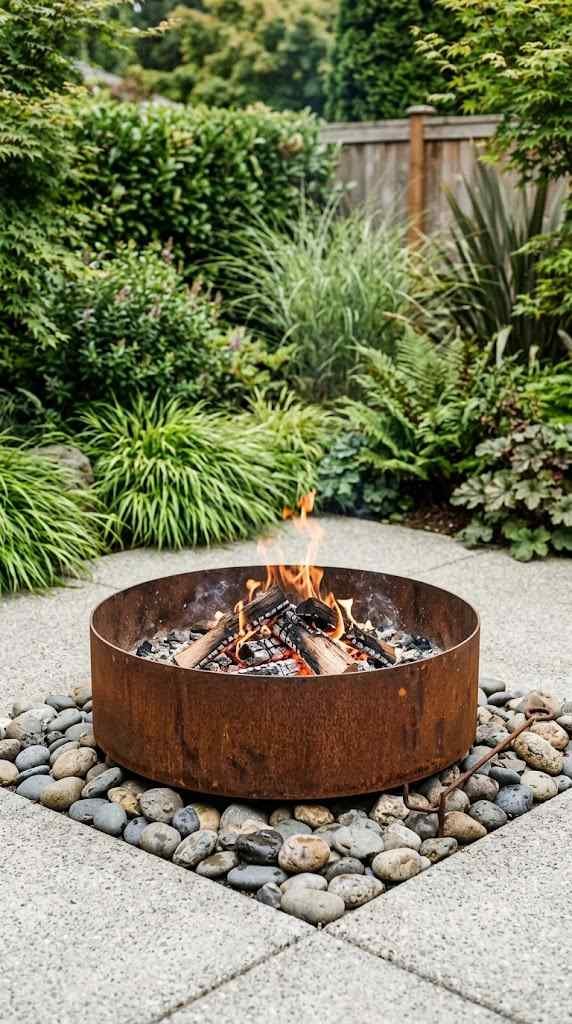
Once you know your use case and fuel type, the design options open up fast. A few standouts that consistently perform well, both aesthetically and functionally:
- Concrete block fire pits: affordable, DIY-friendly, and forgiving if your first attempt isn’t perfectly symmetrical.
- Corten steel bowls: that rusted, weathered look is intentional, and it actually gets better with age instead of looking neglected.
- Stacked stone rings: timeless, blends into almost any landscaping style, works well with both wood and gas inserts.
- Tile-clad square pits: modern, colorful, and a good option if your patio leans more contemporary than rustic.
- Copper bowl pits: develop a gorgeous patina over time, though they’re pricier and dent more easily than steel.
Shape matters more than people think, too. Round pits encourage circular conversation and feel more communal everyone’s equally close to the heat. Square or rectangular pits tend to suit modern outdoor kitchens or linear patio layouts better, especially if you’re pairing the pit with built-in bench seating along one edge.
Depth and height also shape how a fire pit performs, not just how it looks. Shallow pits, generally under 12 inches deep, radiate heat outward more effectively and work well for social gatherings where warmth needs to reach a wider seating area. Deeper pits contain flames better and reduce spark risk, making them a smarter pick for windier properties or homes near dry vegetation.
Material choice affects long-term durability in ways that aren’t always obvious at purchase time. Cast iron and steel handle direct flame exposure well but can rust without proper sealing or storage during off-seasons. Stone and concrete resist heat damage almost indefinitely, though they can crack in freeze-thaw climates if not properly cured or sealed before winter hits.
Combining materials often produces the best results. A steel fire bowl set into a stone surround, for example, gets the heat performance of metal with the aesthetic warmth of natural stone. This hybrid approach also tends to hold resale value better if you’re ever selling the house, since buyers respond well to features that look custom-built rather than store-bought.
Seating and Layout Ideas People Actually Love
A fire pit without proper seating is just a hazard with good intentions. This is where a lot of backyard plans fall apart people focus so much on the pit itself that they forget where everyone’s going to sit.
Built-in stone or concrete benches wrapped around the pit create that resort-patio look and eliminate the annual “drag the chairs out of the shed” ritual. They’re also weatherproof, which matters if you’re not the type to remember covering furniture before rain.
Adirondack chairs remain popular for a reason they’re comfortable, they angle you slightly toward the fire, and they’re relatively inexpensive to replace if one gets weather-beaten. Mixing these with a few floor cushions or a low bench adds flexibility for bigger groups.
For smaller patios, consider a semi-circle layout instead of a full circle. It keeps the fire as the focal point without boxing people in, and it makes conversation easier since nobody’s staring at the back of someone’s head.
Lighting deserves more attention than it usually gets in fire pit planning. String lights overhead extend usability into hours when the fire alone doesn’t provide enough visibility for walking around safely. Low-voltage path lighting along seating areas prevents the inevitable stumble over an unseen chair leg in the dark.
Wind protection changes the whole experience on cooler nights. A simple windbreak, whether it’s a low wall, tall planters, or even strategically placed outdoor curtains, keeps heat from dissipating before it reaches your seating. Without one, a lot of that expensive warmth just blows away instead of keeping anyone comfortable.
Storage solutions for cushions and blankets make spontaneous fire pit nights far more likely. A weatherproof deck box near the seating area means grabbing a blanket takes ten seconds instead of a trip inside that often kills the momentum entirely. Small conveniences like this are usually what separate a fire pit that gets used constantly from one that becomes an occasional special-occasion feature.
Pro tip: leave at least 3 feet of clearance between seating and the pit edge. It sounds obvious until someone’s marshmallow stick catches someone else’s sleeve.
Small-Space and Budget-Friendly Fire Pit Ideas
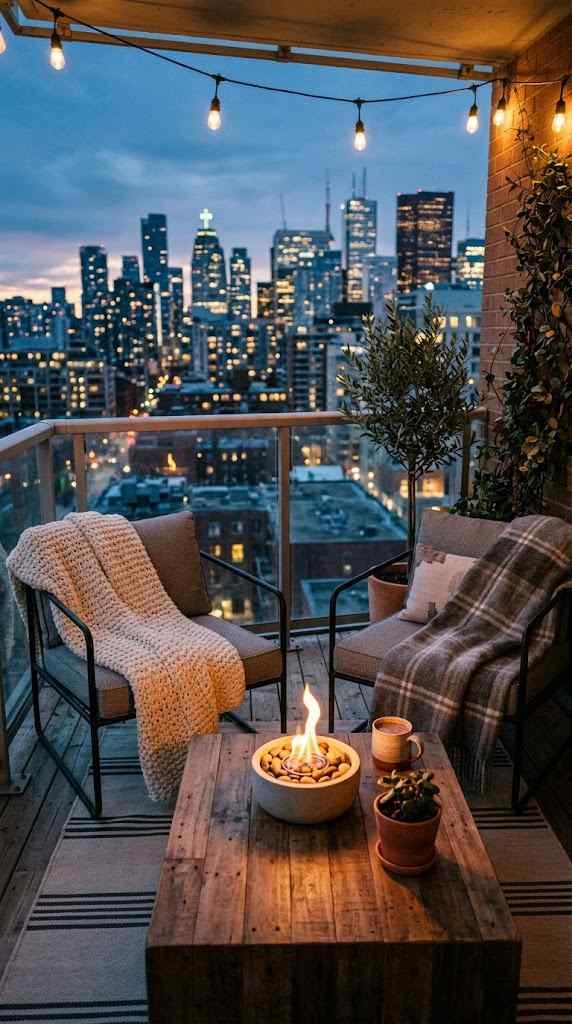
Not everyone has a sprawling backyard, and that’s fine some of the coziest setups I’ve seen are on tiny apartment balconies or postage-stamp patios. Small doesn’t mean boring.
A tabletop gel-fuel fire bowl can transform a small balcony into an actual hangout spot instead of just a place where you store bikes. Pair it with two chairs and a small side table, and you’ve got a legit evening spot for under $150 in most cases.
If you’ve got a bit more room, a compact steel fire pit (the kind that folds flat for storage) gives you real fire without demanding a permanent footprint. These are especially good for renters who might move in a year or two and don’t want to leave a concrete pit behind.
Budget matters here too. DIY concrete block builds can run under $200 in materials, while a professionally installed built-in stone feature can easily hit $2,000 or more depending on your region and labor costs. Neither is “wrong” it just depends on whether this is a weekend project or a long-term investment.
Portable options extend well beyond folding steel pits, too. Tabletop versions with a small glass wind guard work surprisingly well on covered balconies where full flame exposure isn’t practical or allowed. These typically run on isopropyl-based gel fuel canisters, which burn cleanly without the smoke smell that can bother apartment neighbors.
Renters have more flexibility than they often assume. Many portable pits now come with heat-resistant mats specifically designed to protect wood decking or artificial turf underneath, which sidesteps the damage concern that usually makes landlords nervous about approving one. Checking lease terms first still matters, but this makes the conversation a lot easier.
Seasonal storage is worth planning for before buying, not after. A pit that folds flat or breaks down into a carrying case suits anyone without a garage or shed, while permanent stone or concrete builds obviously stay put year-round regardless of weather. Thinking through where a pit lives during months it’s not in use prevents that awkward scenario of a rusting fire bowl taking up half a closet every winter.
FAQ’s
What’s the cheapest fire pit idea for a small backyard?
A DIY concrete block ring or a folding steel pit typically costs under $200 and works great in small spaces.
Is propane or wood better for a backyard fire pit?
Propane offers convenience and no smoke; wood delivers better ambiance but needs storage and cleanup.
How much clearance do I need around a fire pit?
Leave at least 3 feet between seating and the pit edge to prevent accidental burns or injuries.
Can I put a fire pit on a wood deck?
Only with a heat-resistant pad and proper clearance; check manufacturer specs and local fire codes first.
What shape fire pit is best for large groups?
Round pits encourage equal spacing and conversation, making them ideal for gatherings of six or more people.
CONCLUSION
The best fire pit idea isn’t the most Instagrammable one it’s the one you’ll actually walk outside and use on a random Tuesday. Think honestly about your space, your fuel preferences, and how many people typically show up in your backyard. Then build around that, not around what looked good in someone else’s photo.
My own setup ended up being a simple in-ground pit with a propane insert, mostly because I got tired of storing firewood in a city apartment with basically no storage. It’s not fancy, but it gets used constantly, which honestly beats a showpiece that collects leaves all winter. Start with function, and the aesthetics tend to fall into place anyway.