
fall backyard wedding
By Anna Grace | 13 June 2026
How to Turn Your Own Fall Backyard Wedding Yard Into the Prettiest Venue You Never Paid For
Something happens to backyards in October that no venue coordinator can replicate. The light turns amber around 4pm, the air gets that crisp bite, and suddenly your patchy grass and slightly crooked fence look like a Pinterest board come to life. A fall backyard wedding isn’t just a budget-friendly alternative to a ballroom it’s genuinely one of the most beautiful settings you can choose, and the season does half the decorating for you.
I helped my sister plan hers two Octobers ago, and I still think about how little we had to do to make the space look magazine-worthy. String lights, a few pumpkins, and Mother Nature handled the rest. If you’re weighing whether your own yard can pull this off, here’s what actually matters.
Why Fall Is the Sweet Spot for a Backyard Wedding
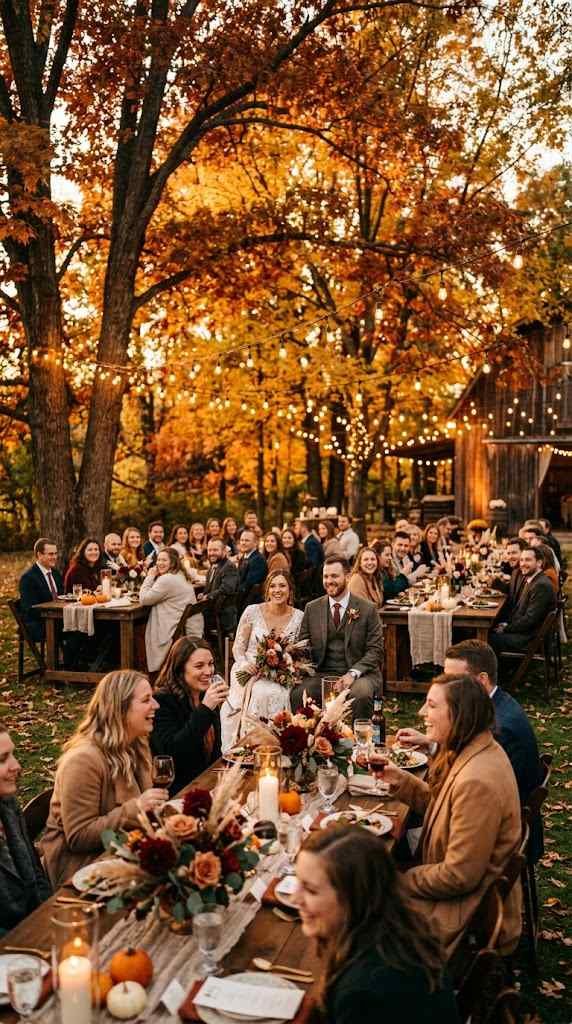
Fall sits in a weird sweet spot where the weather is forgiving, the scenery does the heavy lifting, and vendors aren’t charging peak summer rates.
Temperatures in most regions hover somewhere comfortable for both an outdoor ceremony and a few hours of dancing afterward. You won’t be sweating through your dress or watching guests wilt in 95-degree heat. And unlike summer, fall doesn’t demand you fight for a Saturday a year and a half in advance venues (or in this case, your own lawn) have more flexibility.
The natural color palette alone saves you a small fortune on decor. Rust, burgundy, mustard, and deep green already exist in the leaves and landscaping around you. Why pay for faux foliage when the real thing is doing it for free?
There’s also something to be said for the emotional tone fall sets. Weddings in this season tend to feel warmer and cozier than their summer counterparts think flannel-adjacent elegance rather than beach-party energy. Isn’t that the vibe most couples are actually going for?
Guests tend to remember fall weddings differently, too. There’s something about the crunch of leaves underfoot and the smell of cider or firewood in the air that sticks with people longer than a standard June affair. Photographers often say fall light is their favorite to shoot in that low, golden angle flatters everyone and makes even amateur phone photos look intentional.
Booking flexibility extends beyond just the venue question. Caterers, florists, and rental companies typically have more open weekends in October and November compared to the June-through-September rush. That flexibility can translate into better rates or at least more room to negotiate. Some vendors will even throw in perks like extended setup time simply because they’re not racing between three events in one weekend.
Fall also gives you built-in menu inspiration. Think roasted root vegetables, apple-cider cocktails, spiced everything the season practically writes your catering menu for you, which takes one more decision off an already long list.
Planning Timeline: What to Lock In and When
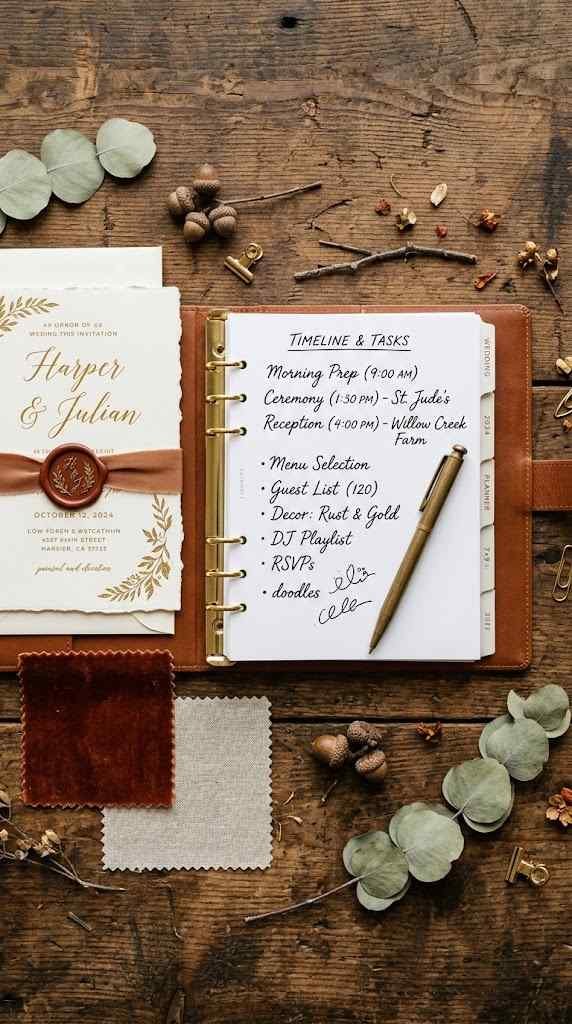
A backyard wedding gives you more control than a traditional venue, but that control comes with more responsibility. Nobody’s handing you a checklist you’re building it.
Here’s a realistic breakdown for a fall backyard wedding:
- 9-12 months out: Set your date, confirm the yard works (permits, HOA rules, space for guest count), and book high-demand vendors like photographers and caterers.
- 6-8 months out: Rent tents, tables, chairs, and a dance floor if needed. Order invitations. Start landscaping prep if your yard needs work.
- 3-4 months out: Finalize your menu, order rentals for lighting and heating, and confirm your rain plan (yes, you need one).
- 6-8 weeks out: Mow, mulch, trim, and handle any yard maintenance that can’t happen too early or it’ll need redoing.
- 1-2 weeks out: Final walkthrough with vendors, weather check, and a backup plan review.
One thing that catches people off guard: local permit requirements. Depending on your city or county, hosting a large gathering at a private residence might require a temporary event permit, especially if you’re bringing in a tent, generator, or amplified sound. Check with your local municipality early, because permit turnaround times vary wildly and nobody wants a surprise phone call from a neighbor’s noise complaint mid-reception.
HOA rules deserve a look too, if that applies to your situation. Some associations have restrictions on parking, noise curfews, or even temporary structures like tents and string lighting. It’s a five-minute phone call that can save you a genuinely stressful conversation two weeks before the wedding.
Building in buffer time between planning phases also helps absorb the inevitable curveballs a vendor cancellation, a delayed rental shipment, or a landscaping project that takes longer than expected. Treat your timeline as a living document rather than a rigid schedule, and revisit it monthly so nothing quietly slips through the cracks.
FYI, the biggest planning mistake people make with backyard weddings is underestimating how much infrastructure a “simple” outdoor setup actually requires. Bathrooms, parking, lighting once the sun drop none of that exists automatically just because you’re on your own property.
Designing the Space: Layout, Decor, and Seasonal Touches
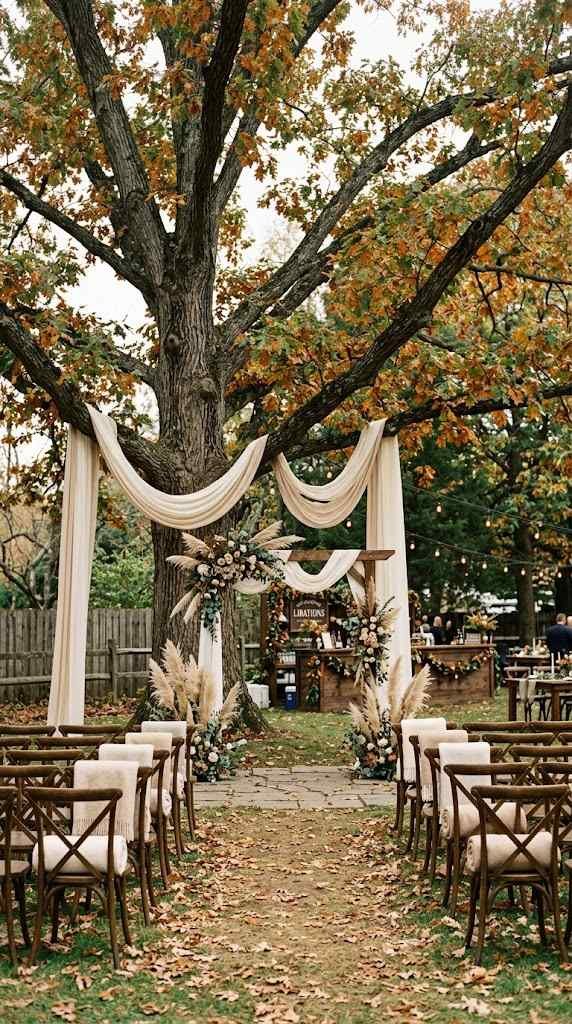
Your backyard already has bones. The job now is dressing them up without making the space feel cluttered or overworked.
Layout Basics
Walk your yard and mentally divide it into zones: ceremony, cocktail hour, reception, and a spot for the bar. Guests should be able to move between these areas without bottlenecking near doorways or gates. If your yard slopes or has uneven ground, a tent with a subfloor solves a lot of problems before they start.
Consider where the sun sets relative to your ceremony space. Nobody wants to say their vows while squinting directly into a fireball, and your photographer will silently thank you for thinking ahead.
Decor That Works With the Season, Not Against It
Fall backyard weddings shine when the decor complements what’s already growing rather than fighting it. A few ideas that consistently photograph well:
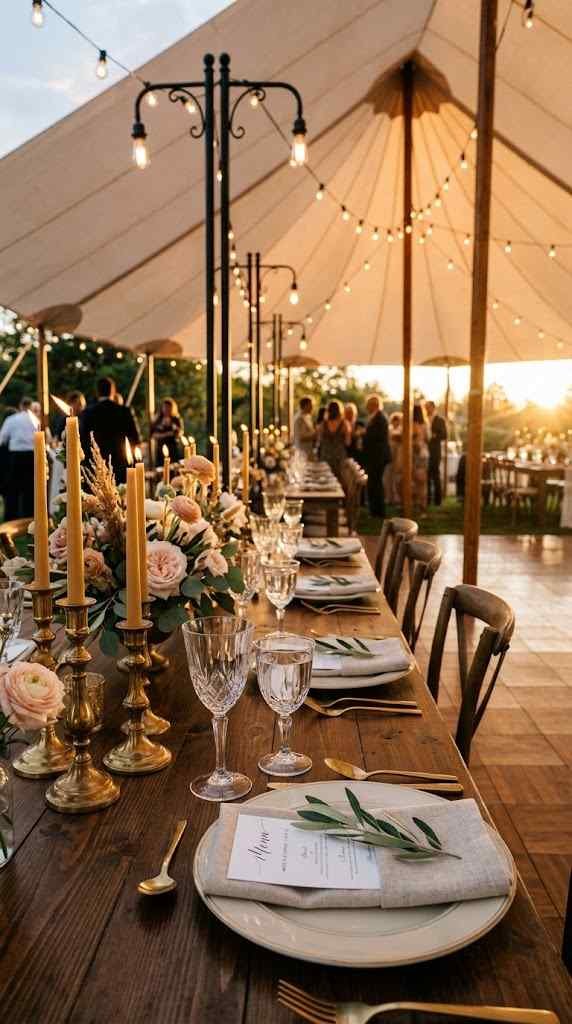
- Draped string lights or bistro lighting through trees for that golden-hour glow after dark
- Wooden crates, hay bales, or reclaimed barn doors as rustic focal points
- Pampas grass, dried florals, or wheat stalks mixed into centerpieces
- Mini pumpkins and gourds scattered along tables (cheap, seasonal, and surprisingly elegant)
- Wool blankets draped over chair backs for guests once temperatures dip
Skip anything overly delicate or wind-sensitive paper lanterns and loose petals sound romantic until a gust sends them into someone’s dinner plate.
Lighting deserves its own moment of attention beyond the string lights already mentioned. Fall sunsets happen earlier than people expect, often around 6 or 6:30pm depending on your location, which means your reception could shift from daylight to darkness faster than your timeline accounts for. Layer your lighting: string lights overhead, lanterns or candles at table height, and pathway lighting so guests aren’t stumbling toward the bathroom line in the dark.
Signage and small directional touches go a long way in a backyard setup, since there’s no built-in venue staff pointing people where to go. A simple wooden sign directing guests toward parking, restrooms, or the bar prevents confusion and keeps the flow moving smoothly.
Don’t overlook your existing landscaping as free decor. A mature tree with good canopy coverage can double as a natural ceremony backdrop, saving you the cost of a floral arch entirely. Walk your yard at the same time of day you’re planning the ceremony, and take note of what’s already working in your favor before adding anything extra.
The best fall backyard decor leans into texture and warmth rather than trying to recreate a summer aesthetic with autumn colors slapped on top.
Weather Contingencies: The Part Nobody Wants to Think About
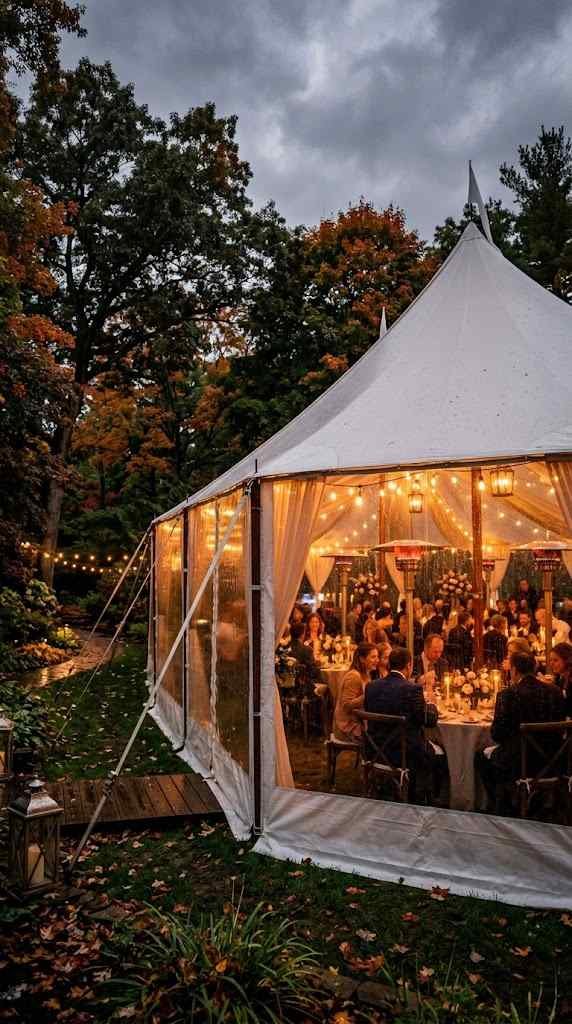
Fall weather is gorgeous, but it’s also unpredictable. One week it’s 70 and sunny, the next it’s a surprise cold front or an unexpected drizzle. A backyard wedding without a weather plan is a gamble, plain and simple.
Renting a tent isn’t optional it’s the single most important line item in your budget after catering. Even if you’re planning an open-air ceremony, having a tented reception area protects your investment in flowers, lighting, and food from a sudden downpour.
Heating matters more than people expect. Patio heaters, fire pits, or even heated tent options keep guests comfortable once the sun goes down and temps drop ten or fifteen degrees within an hour. Nobody remembers a wedding fondly if they spent the reception shivering through dessert.
A few other weather-proofing moves worth considering:
- Have a backup indoor space a garage, basement, or covered porch that can absorb guests if things get bad.
- Communicate the rain plan on your invitations or wedding website so guests know what to expect and dress accordingly.
- Rent clear tent sidewalls so you get weather protection without losing the outdoor feel.
- Check the extended forecast starting about ten days out, and stay flexible on final decor and setup decisions until closer to the date.
My honest opinion? Skimping on tent rental to save a few hundred dollars is the one decision I’ve seen backfire the most at backyard weddings. It’s worth the splurge.
Wind is the quieter threat that doesn’t get discussed nearly enough. Fall often brings gustier days than summer, which can wreak havoc on tablecloths, floral arrangements, and anything not properly weighted down. Ask your rental company about tent staking and weighting options specifically designed for wind, not just rain.
It’s also worth having a designated point person on the wedding day whose only job is monitoring weather updates and coordinating any last-minute pivots. This shouldn’t be the bride, groom, or anyone in the wedding party it should be a calm, organized friend, family member, or day-of coordinator who can make quick calls without pulling anyone away from actually enjoying the day.
Travel insurance for weddings, sometimes called event insurance, is worth researching if you’re investing significant money into rentals and vendors. It typically covers cancellations due to severe weather and can reimburse non-refundable deposits, which brings a level of peace of mind that’s hard to put a price on when so much of the day depends on things outside your control.
Budget Breakdown: Where Backyard Weddings Actually Save (and Spend) Money
A fall backyard wedding can absolutely cost less than a traditional venue wedding, but the savings show up in specific places, not across the board.
Where you save:
- Venue rental fees (obviously it’s free, or close to it)
- Often lower catering minimums since you’re not locked into an in-house caterer
- More flexibility on vendor choices since you’re not restricted to a venue’s preferred list
Where costs sneak up:
- Rentals: tents, tables, chairs, linens, dinnerware, and lighting add up fast since a backyard provides none of this built-in
- Portable restrooms if your guest count exceeds what your home bathrooms can handle
- Parking solutions, whether that’s a shuttle service or hiring someone to direct traffic
- Landscaping and yard prep, especially if your lawn needs professional attention beforehand
- Generator rental if your outlets can’t handle a band, DJ, and catering equipment simultaneously
A lot of couples assume “backyard wedding” automatically means “cheap wedding,” and that’s not quite accurate. It’s more accurate to say you’re trading venue costs for infrastructure costs. The total can still land lower, but budget realistically rather than assuming free space equals a free pass on spending.
Guest count has an outsized impact on backyard wedding costs that people frequently underestimate. Every additional twenty guests can mean another round table, more chairs, additional catering costs, and potentially a bigger tent altogether. Before finalizing your guest list, walk through your actual yard space with tape measure in hand Pinterest photos rarely show you how tight forty chairs feel in a suburban backyard.
DIY elements can genuinely cut costs, but only if you’re realistic about time and skill. Handmade centerpieces or a self-assembled arbor sound charming until you’re gluing dried flowers at midnight three days before the wedding. Pick one or two DIY projects that actually excite you, and outsource the rest without guilt.
Comparing quotes from multiple rental companies matters more for backyard weddings than traditional venues, since pricing varies significantly by region and season demand. A quick round of three quotes for tents, tables, and chairs can reveal a few hundred dollars of difference for essentially identical inventory, and that’s money better spent on the parts of the day guests will actually remember.
FAQ’s
How far in advance should I start planning a fall backyard wedding?
Start 9-12 months out, especially for tent rentals and vendors, since fall dates book quickly.
Is a fall backyard wedding actually cheaper than a traditional venue?
Often yes, but rentals, restrooms, and parking add costs many couples don’t initially budget for.
Do I need a tent even if I’m planning an outdoor ceremony?
Yes fall weather shifts fast, and a tent protects both guests and your decor investment.
What decor works best for a fall backyard wedding theme?
Lean into natural textures like pampas grass, wood accents, string lights, and seasonal gourds already in style.
How do I keep guests warm once the sun sets?
Rent patio heaters or fire pits, and provide blankets so comfort doesn’t disappear after dark.
CONCLUSION
A fall backyard wedding rewards couples who put in the planning work upfront and then get to enjoy watching their own space transform into something unforgettable. The season practically decorates itself, the temperatures cooperate more often than not, and there’s something deeply personal about getting married in a place that actually means something to you. Start early, budget for the infrastructure you don’t see coming, and lean into the natural beauty already sitting in your yard. Come October, you’ll be glad you didn’t overthink it.