
Scandinavian Kitchen Design
By Anna Grace |21 March 2026
Why These Scandinavian Kitchens Age Better Than Your Last Renovation
Scandinavian kitchens don’t photograph as dramatically as farmhouse kitchens, don’t trend on Instagram like moody dark kitchens, and won’t make you feel like you just stepped into a design magazine. What they do offer is something rarer: a space that works harder with every passing year instead of feeling dated within 18 months. I realized this the hard way when I visited my friend’s Copenhagen apartment her 15-year-old kitchen looked fresher than my newly remodeled one. I stood there studying her cabinets, running my hands along the counters, and asking questions like I was investigating a crime scene. The real revelation? She hadn’t updated anything in a decade. The materials had simply aged with intention, not against it.
The Efficiency Myth That’s Actually True
Most people approach Scandinavian kitchens assuming they’re all about aesthetics. Wrong move. Nordic designers obsess over how you actually move through a kitchen, where your hands need to reach, and how quickly you can pull together dinner when it’s dark at 3 PM and you’re already tired. That’s the opposite of decorative thinking it’s pure function wearing a minimalist jacket.
Here’s what makes this different from generic “modern” kitchens: Scandinavian design specifically solves for the reality that kitchens get used constantly, not just photographed. Every element earns its space. You won’t find a decorative backsplash that’s a nightmare to clean, or open shelving that collects grease and dust, unless those choices genuinely serve the workflow. The design adapts to how Nordics live, not how Instagram wants them to live.
This approach creates kitchens that feel intuitive immediately. Cooking in one doesn’t require mental gymnastics about where something should logically be it already is where you’d expect it. Natural light sources are maximized. Storage solutions hide mess without creating confusion. Your brain stops working overtime just to prepare meals.
The Work Triangle Reimagined
Scandinavian kitchens don’t abandon the classic work triangle (sink, stove, refrigerator), but they update it for modern life. The triangle gets compressed and optimized so you’re not sprinting between zones during everyday cooking. Countertop real estate between these three points stays clear and functional, not staged for magazine shoots. If you’ve ever found yourself constantly reaching around clutter to use a burner, or discovered the cutting board lives three cabinet searches away, you understand how much this matters.
Nordic kitchens also account for secondary workflows where you unload groceries, where you stand while drinking coffee, where kids eat breakfast. These zones get thought through with the same intention as the primary cooking areas. It’s not about having more space; it’s about using existing space smarter.
Storage That Actually Works
Walk into a Scandinavian kitchen and you won’t see chaos masquerading as minimalism. What you see is strategy. Deep drawers instead of shallow ones. Vertical storage that uses wall space without creating visual clutter. Cabinet interiors organized with dividers and pullouts that make finding anything instinctive. This isn’t Instagram styling it’s practical architecture that prevents everyday frustration.
The best part? This kind of storage planning doesn’t require expensive custom solutions. Simple drawer organizers, pull-out shelves, and thoughtful shelf placement transform standard cabinetry into genuinely functional storage. You spend less time searching and more time cooking. Over a decade, that adds up to hundreds of hours reclaimed from cabinet rummaging.
The Material Reality Check
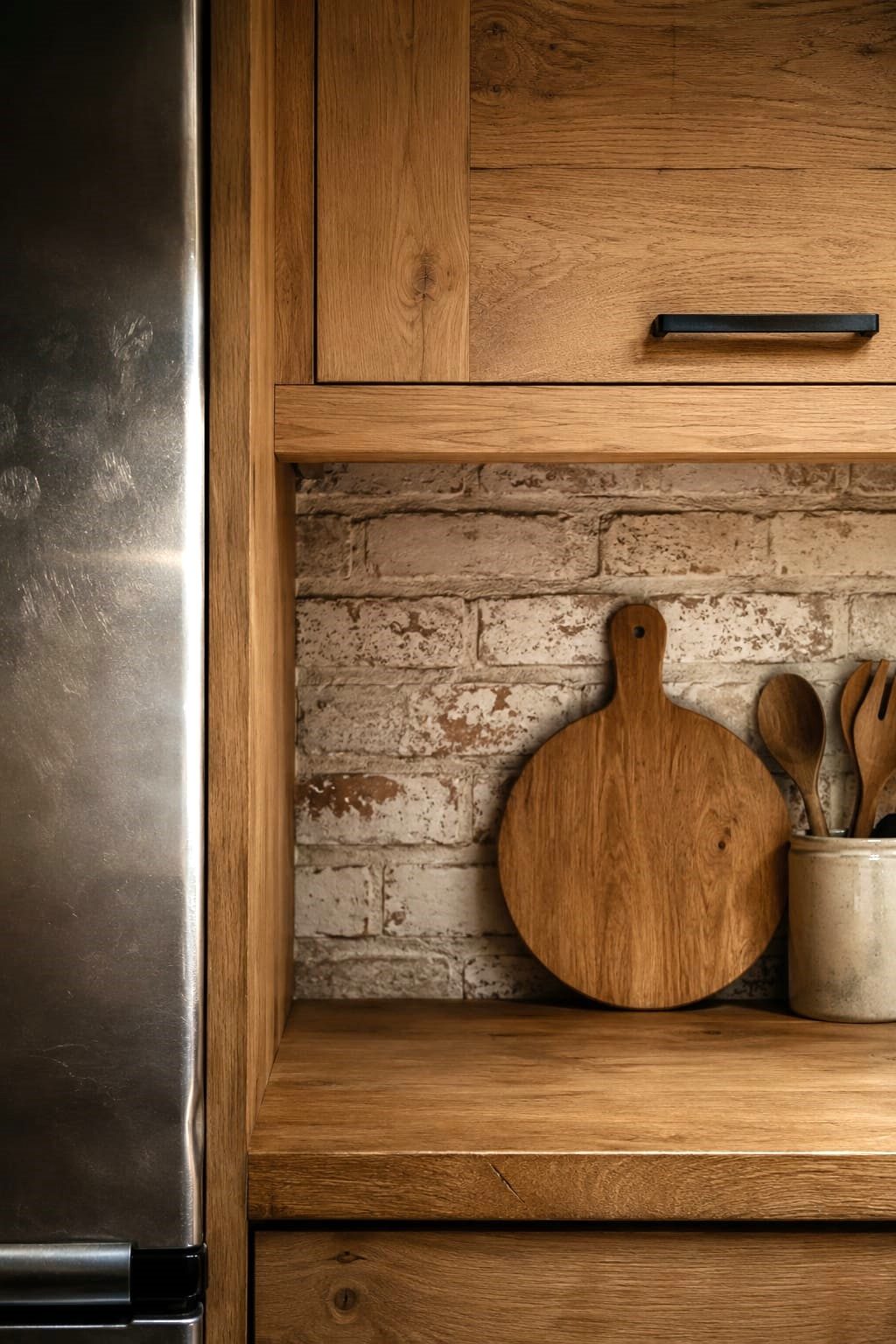
Nordic regions throw brutal weather at buildings year-round. Materials get chosen accordingly. Scandinavian kitchens favor woods that age gracefully (like light oak or birch), stainless steel that resists the test of time, and durable surfaces that actually handle serious use. IMO, this is where the design philosophy stops being theoretical and becomes practical wisdom.
Your standard laminate countertops? They yellow and chip. Butcher block? Requires constant care in humid kitchens. Scandinavian designers land on materials that accept aging as inevitable, then design around it. A white subway tile backsplash looks dated in five years; whitewashed brick walls look intentionally weathered and beautiful a decade later. See the difference?
The wood choices matter too. Light, natural wood tones don’t show every fingerprint or dust mote, but they’re not trying to hide imperfection they’re acknowledging it as part of the material’s story. A single scratch on a natural wood cabinet becomes part of the patina, not a visual disaster you’re anxious about.
Wood: The Living Material
Scandinavian kitchens treat wood as a living, breathing material that changes over time. Light oak cabinetry doesn’t stay frozen in its original honey tone it deepens, develops character, tells a story. This isn’t accepting lower quality; it’s embracing authentic aging. Birch develops similar warmth and patina. Ash, slightly more expensive but worth considering, offers subtle grain patterns that become more pronounced as the wood matures.
The key is finishing. Light lacquer or matte finishes age better than glossy coatings, which show water spots and develop a tired appearance within years. Matte finishes hide fingerprints naturally. They don’t require constant polishing to look “fresh.” Over 10 years, this means dramatically less maintenance while the kitchen actually looks better, not worse.
Countertops That Prove Their Worth
Scandinavian kitchens frequently use concrete, natural stone (like granite or soapstone), or high-quality laminate designed to mimic natural materials. Concrete sounds counterintuitive until you realize it ages gorgeously developing character and patina that feels intentional. Soapstone darkens over time, becoming richer and more beautiful. These aren’t trendy choices; they’re patient ones.
Quartz has entered the Scandinavian toolkit recently, and it makes sense it’s durable, low-maintenance, and available in colors that stay relevant longer than trendy grays that suddenly feel dated. The difference between a Scandinavian kitchen and a trendy one often comes down to choosing classic quartz finishes (whites, soft grays, warm beiges) instead of bold colors that are currently hot but will feel dated in three years.
Avoid at all costs: super trendy waterfall edges, dramatic veining, or bold colors. These date faster than your TikTok algorithm shifts. Scandinavian kitchens prioritize longevity in material choices, not aesthetic surprises
The Stainless Steel Reality
Scandinavian kitchens embrace stainless steel for appliances and sometimes fixtures, not because it looks “modern,” but because it lasts. Yes, it shows fingerprints. Scandinavian design acknowledges this and doesn’t treat it as a failure it’s just part of using stainless steel honestly. Some kitchens opt for fingerprint-resistant stainless or brushed finishes, which hide marks better while still maintaining the material’s durability.
The philosophy here is critical: instead of choosing materials that hide evidence of use, choose materials that accept evidence of use and still look intentional. That’s the core difference between Scandinavian durability and trendy minimalism.
Where Color Actually Lives
The biggest misconception about Scandinavian kitchens? They’re boring because they’re neutral. Spend any time in actual Nordic homes, and you’ll notice something different happening. Color exists there it’s just strategic, muted, and usually used through textiles, art, or accessories rather than painted cabinetry.
Think about it this way: cabinets are permanent. Paint colors are temporary. Scandinavian kitchens keep cabinets neutral and shift moods through tea towels, a new print on the wall, or seasonal accessories. Your kitchen doesn’t look completely different every two years because you suddenly hate the sage green you painted everything. Instead, you swap a few pieces and the whole feel transforms.
Have you noticed how Scandinavian homes age better than kitchens that follow every design trend slavishly? That’s not accidental. It’s the result of treating the bones of the space as long-term investments while letting personality enter through flexible, changeable elements. Your cabinetry shouldn’t require renovation every time your taste evolves.
The Psychology of Neutral Foundations
Neutral doesn’t mean boring it means foundational. A truly neutral Scandinavian kitchen (whites, creams, light grays, natural wood) creates a canvas that feels calm and spacious. This isn’t minimalism for minimalism’s sake; it’s practical psychology. Open a stressful workday with a cup of coffee in a chaotic, colorful kitchen and you’ll feel instantly wound tighter. The same kitchen in soft neutrals provides psychological breathing room before you even start cooking.
The neutrality also means your kitchen accommodates your color preferences, not the designer’s. Want to introduce hunter green through a single wall accent? Easy. Prefer warming mustard tones? Pull in accessories gradually. The neutral foundation stays constant while your personality evolves. In 10 years, you won’t have regret-painted every wall back to white.
Textiles, Art, and Accessories as Color Strategy
This is where Scandinavian kitchens get their personality and warmth. Linen tea towels in soft sage, cream, or dusty blue. A single piece of botanical art on one wall. Ceramic bowls in muted tones that you actually use (not display). Fresh flowers in a simple glass vase. These elements introduce color without permanence.
The genius of this approach: you can completely shift the kitchen’s mood seasonally or yearly by rotating textiles and art. Winter calls for deeper jewel tones in accessories. Summer welcomes lighter creams and soft blues. You’re not repainting cabinetry or replacing countertops you’re adding personality through changeable layers. This is also why Scandinavian kitchens photograph differently every season but never look dated.
The Open Shelving Color Conversation
Open shelving in Scandinavian kitchens works when it displays intentional color through dishware and glassware. Mismatched ceramics in coordinated tones (all soft blues, or warm creams with sage accents) create visual interest without chaos. The items on display should be things you genuinely use and enjoy seeing, not aspirational pieces you bought for Instagram.
Closed cabinetry, conversely, hides the everyday kitchen reality the half-full jars, the mismatched containers, the clutter of actual living. Scandinavian kitchens don’t shy away from closed storage for this reason. You hide complexity, keep surfaces clean, and introduce color deliberately through a few beautiful pieces rather than everything showing at once.
Lighting: The Design Element People Forget
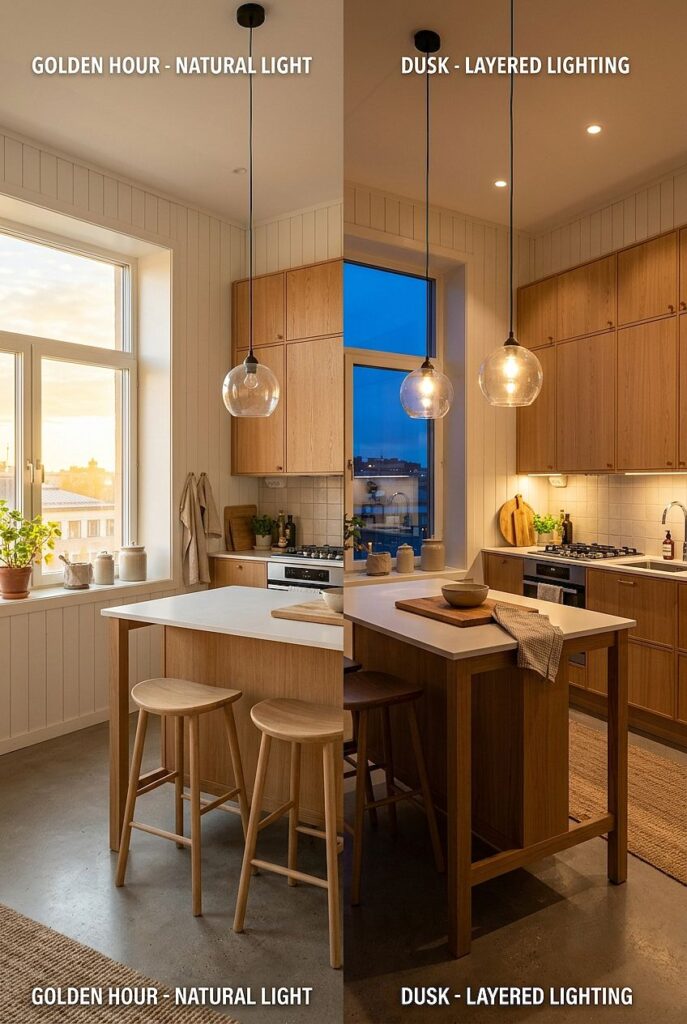
Scandinavian kitchens obsess over light. Not because Nordic designers are moody (okay, maybe a little), but because dark winters mean maximizing every available lumen. This produces a ripple effect in how kitchens get designed: windows stay clear, sightlines extend, surfaces reflect light naturally, and task lighting gets positioned precisely where you actually need it.
Your kitchen’s lighting setup dramatically changes how the entire design feels. A Scandinavian kitchen designed with harsh overhead fluorescents becomes a prison. The same kitchen lit with layered ambient, task, and accent lighting becomes a room you want to spend time in. The design moves between functional and genuinely pleasurable.
Most renovations treat lighting as an afterthought. Scandinavian philosophy treats it as foundational. Pendant lights hang at heights that create both visual interest and practical illumination. Under-cabinet lighting reveals the workspace without creating shadows. Even the reflective qualities of materials get considered through a lighting lens.
Ambient, Task, and Accent Lighting Layered Intentionally
Scandinavian kitchens use three lighting layers working together. Ambient lighting (overhead, often dimmable) sets the overall mood and brightness. Task lighting (under cabinets, over islands) illuminates where you actually work. Accent lighting (inside open shelving, along baseboards) creates depth and highlights the kitchen’s architectural details.
The magic happens when these layers work together without obvious sources. Recessed ceiling lights blend into the white or light-colored ceilings. Pendant fixtures hang at the right height typically 30–36 inches above counter height so they provide light without glare or creating dark shadows beneath. Under-cabinet lighting should be LED (warm white, 2700K color temperature for that cozy Nordic feel) and positioned to avoid creating shadows on countertops where you’re cutting or prepping.
Window Placement and Natural Light Strategy
Scandinavian design maximizes natural light obsessively. Large windows without heavy treatments. Light-colored walls that bounce available light around the space. Glossy or semi-gloss finishes on cabinetry (though rarely seen in true Scandinavian kitchens matte is more common) or reflective countertops. Every element considers how light moves through the space during different times of day.
If your kitchen has limited natural light, this becomes even more critical. You’re compensating with layered artificial lighting that mimics natural brightness and warmth. The goal is avoiding the clinical, cold feeling that bad kitchen lighting creates. Nobody wants to cook (or eat) under fluorescent prison lighting.
The Pendant Light Detail That Matters
Scandinavian kitchens typically feature simple, sculptural pendant lights. Not trendy statement pieces, but timeless designs that work as well in 2026 as they did in 2010. Classic PH Artichoke pendants, simple cream-colored paper shades, or minimalist metal fixtures. The beauty is in restraint and proportion lights that look good whether they’re 5 years old or 15 years old.
Pendant positioning matters enormously. Over an island or peninsula, they create visual interest and define the space. But they’re not purely decorative they provide crucial task lighting for food prep and dining. The height and spacing get calculated based on counter dimensions. Get this wrong and you have lights that look awkward or don’t illuminate properly. Get it right and you’ve invested in a design element that becomes invisible in its rightness.
Recreating This in Your Current Kitchen (Without Total Renovation)
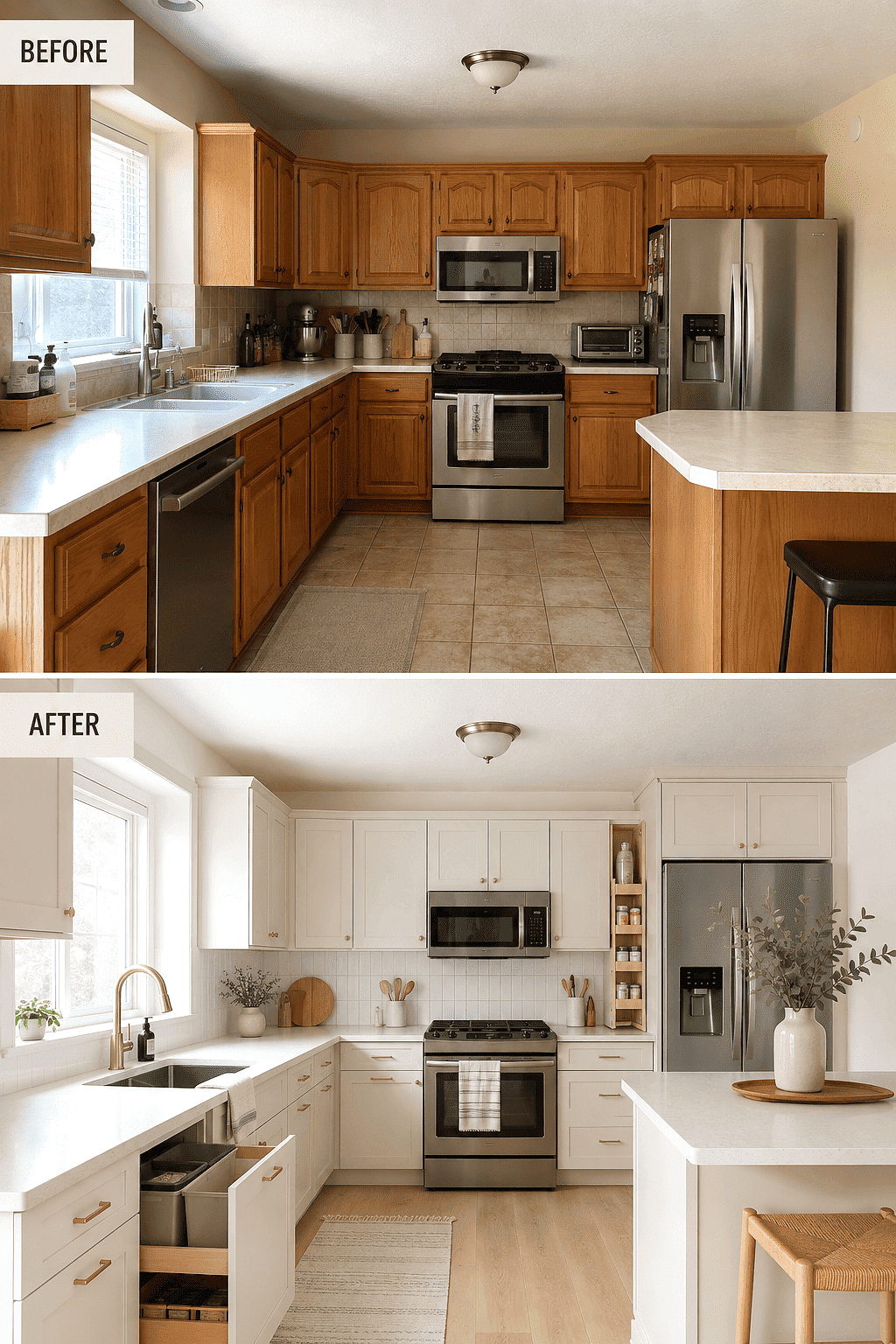
You don’t need to gut-renovate to borrow from Scandinavian kitchen principles. Start with the workflow: where do you actually spend time, and are items logically positioned there? Rearrange to match your actual movement patterns, not a magazine’s fantasy of how kitchens should work.
Next, evaluate what’s permanent and what’s temporary. Are your cabinet colors something you’ll resent in three years? Can you refresh through paint, hardware, or removable wallpaper instead? Scandinavian design respects that not every choice needs permanence.
Storage is where most people miss the opportunity. Open shelving looks clean when you’re intentional about what lives there, but closed cabinetry that hides everyday chaos works better for real households. Choose cabinets that allow your system to stay functional without requiring constant styling energy.
The Budget-Friendly Hardware Swap
One of the easiest Scandinavian kitchen upgrades: hardware. Replacing knobs and pulls with simple, understated options (matte black, brushed brass, or minimalist stainless) instantly shifts the kitchen’s vibe. Quality hardware costs more upfront but lasts decades without looking dated. A $2,000 hardware investment across an entire kitchen renovation becomes invisible in its impact everything suddenly feels more intentional.
Look for hardware without fussy details or trendy shapes. Simple bar pulls, round knobs in neutral finishes, handles that prioritize function over flash. These work in Scandinavian kitchens from 2010 and will work in 2030 without screaming “dated renovation.”
Paint and Refinishing Cabinetry
If your cabinets are structurally sound but visually dated, painting offers transformation without replacement costs. Scandinavian cabinets typically wear soft white, off-white, cream, or very pale gray. Matte finishes age better than glossy. Quality kitchen cabinet paint (not just regular wall paint) adheres properly and handles moisture and heat without peeling.
The real investment here is preparation. Proper sanding, priming, and multiple thin coats create durability. Cheap paint jobs look cheap within a year. Quality refinishing, done properly, lasts a decade easily.
Lighting Upgrades That Transform
Adding under-cabinet LED lighting is easier than you’d think, especially with modern battery-powered or rechargeable options. These cost $100–$400 depending on how many cabinets you’re lighting, and they completely change how the kitchen functions and feels during evening hours. Suddenly, task lighting exists where it didn’t before. The kitchen looks intentional instead of dark.
If ceiling lighting feels harsh, adding dimmer switches to existing fixtures is straightforward and inexpensive. Warm white bulbs (2700K) replace cool ones. These tiny changes compound into a dramatically different experience.
Storage Solutions That Don’t Require Construction
Pull-out drawer organizers, vertical dividers, lazy Susans in corner cabinets, shelf risers that double your vertical space these solutions cost under $500 total and eliminate the “I can’t find anything” frustration. Scandinavian kitchens work partly because everything has a designated home. If your storage currently hides chaos, organizing that chaos matters more than aesthetic choices.
The Accessory Layer
Introduce color and personality through updated tea towels, a new piece of art, simple ceramic bowls, and fresh plants. These cost almost nothing but signal that you’ve intentionally curated the space. A Scandinavian kitchen doesn’t look sterile when accessories feel thoughtful rather than sparse.
The Mistakes That Kill the Vibe
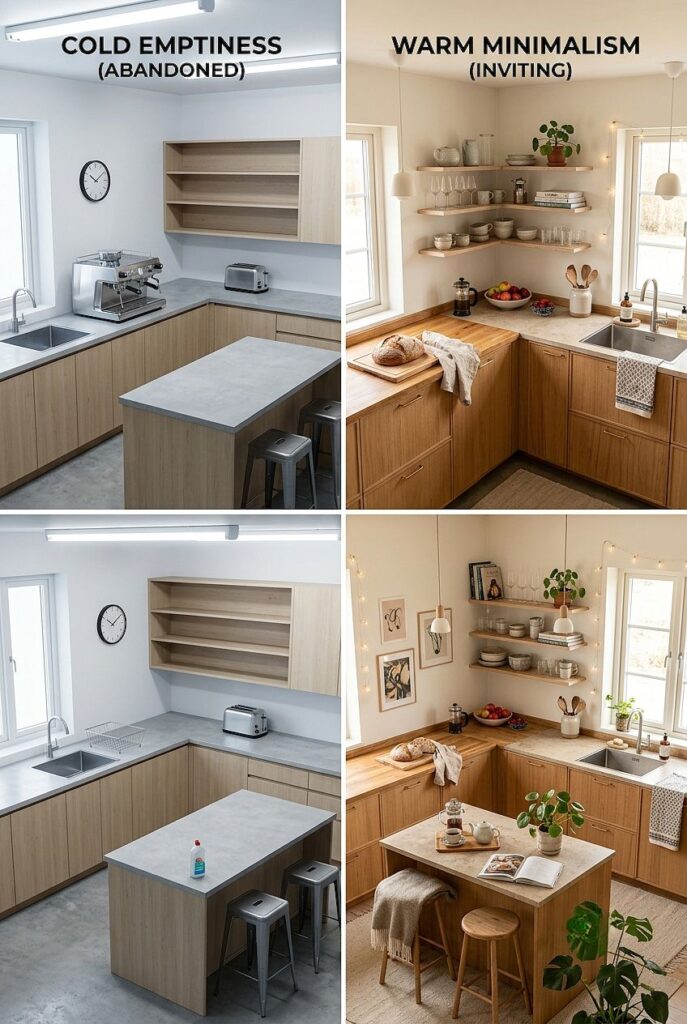
Trying to make Scandinavian kitchens happen with trendy minimalism fails immediately. Scandinavian isn’t about owning nothing; it’s about owning things with purpose. Your utensils, appliances, and dishes should either function beautifully or genuinely bring you joy preferably both.
Another common mistake: treating Scandinavian kitchens as cold or unwelcoming. The philosophy actually creates warmth through approachability and genuine usability. A kitchen where you can easily find what you need, prepare food efficiently, and see your family’s reflection in clean surfaces feels more inviting, not less.
People also force minimalism when they should embrace honest simplicity. There’s a real difference between removing things to show off emptiness and removing things because they don’t serve your life. Scandinavian design is the latter it’s ruthlessly practical, not performatively sparse.
The Appliance Visibility Problem
Keeping countertops completely clear of appliances doesn’t feel Scandinavian it feels sterile and unrealistic. Scandinavian kitchens accommodate everyday appliances: a coffee maker, toaster, or stand mixer that you use regularly lives on the counter. These items don’t get hidden away because they’re genuinely useful. The difference is intentionality you own a beautiful coffee maker you’re happy to see, not a plastic convenience item you’re embarrassed about.
The mistake happens when appliances become visual clutter. Three different small appliances you never use. Broken items waiting for repair. Crumbs and spills around their bases. A real Scandinavian kitchen has fewer appliances, but they’re quality pieces that function properly and live in designated spots.
The Color Commitment Failure
Painting cabinetry a trendy color (sage green, dusty blue, charcoal) feels Scandinavian until it doesn’t. Three years later, you’re scrolling and realize that color is everywhere in Pinterest boards, which means it’s already aging out. Scandinavian kitchens stay relevant partly because they avoid color commitments on permanent structures. Walls stay neutral. Cabinetry stays neutral. Color lives in flexible layers.
If you desperately want to introduce a signature color, consider a single accent wall or open shelving in one area, then balance it with neutral cabinetry elsewhere. This prevents the kitchen from feeling like it was designed for 2023 specifically.
When open shelving does work, it’s because the items displayed are intentionally curated and regularly refreshed. The moment expired boxes or mismatched jars appear, the aesthetic collapses.
Ignoring Maintenance Reality
Scandinavian kitchens appear effortless, but they’re actually designed to be low-maintenance, not to look impossibly clean. White subway tile backsplashes require grout maintenance. Matte finishes hide fingerprints but need gentle cleaning. Light wood shows dust. If you’re choosing materials without considering your actual lifestyle (kids, pets, limited time for cleaning), you’ll end up frustrated.
The design works when materials and finishes align with how much maintenance effort you’re genuinely willing to invest. Choose accordingly.
FAQ’s
How much does it cost to build a Scandinavian kitchen from scratch?
Costs range from $15,000–$60,000+ depending on materials, appliances, and whether you hire professionals or DIY portions.
Can I combine Scandinavian kitchen design with other styles like farmhouse or industrial?
Yes, absolutely. Scandinavian’s clean lines pair well with farmhouse warmth or industrial edges keep the minimalist workflow philosophy intact.
What’s the best wood type for Scandinavian kitchen cabinets?
Light oak, birch, or ash work best. They age gracefully, resist humidity, and match the Nordic aesthetic while handling real kitchen wear.
How long will a Scandinavian kitchen renovation last before feeling dated?
Properly designed Scandinavian kitchens stay relevant 15+ years. Neutral bones and timeless materials prevent the need for constant updates.
Can I achieve a Scandinavian kitchen look on a tight budget without full renovation?
Definitely. Paint cabinets, swap hardware, add storage, improve lighting, and introduce color through textiles and accessories for significant transformation.
CONCLUSION
The Long Game
Scandinavian kitchens win over time because they prioritize how you actually live over how you want to look living. They age with grace instead of desperate urgency to renovate. Materials weather honestly. Colors stay relevant because they’re not trendy they’re timeless. Workflows serve real people instead of aspirational Instagram versions of people.
Start thinking about your kitchen as a 15-year investment instead of an 18-month trend. Ask what will still feel right in five years, not what’s trending this month. Choose materials that get better with time. Build systems that work with your actual habits instead of against them. That’s not Scandinavian design that’s just smart thinking, wrapped in clean lines and natural light. And honestly, after a decade of looking at your kitchen every single day, that’s the only approach that won’t eventually drive you slightly crazy.