
Transform Your Apartment Patio
By Anna Grace | 2 june 2026
Transform Your Apartment Patio: From Bare Concrete to Your Favorite Room (That Happens to Be Outside)
Most apartment patios are crime scenes. I’m talking about the kind where someone moved in three years ago, threw a plastic chair out there, and called it done. The potential sitting unused, baking in the sun, slowly collecting dead leaves and regret.
Here’s the thing: your apartment patio is actually real estate. Actual square footage you already own (or rent rights to). And unlike expanding your living room, you can completely redesign your outdoor space without a contractor or landlord approval arguments. It’s genuinely the easiest home upgrade that exists, yet people treat it like an afterthought.
If you’re renting or you’re a homeowner tired of a sad outdoor corner, we’re about to fix that. Your patio doesn’t need a massive budget or complicated design skills. It just needs a plan.
Why Your Apartment Patio Is Basically Wasted Money Right Now
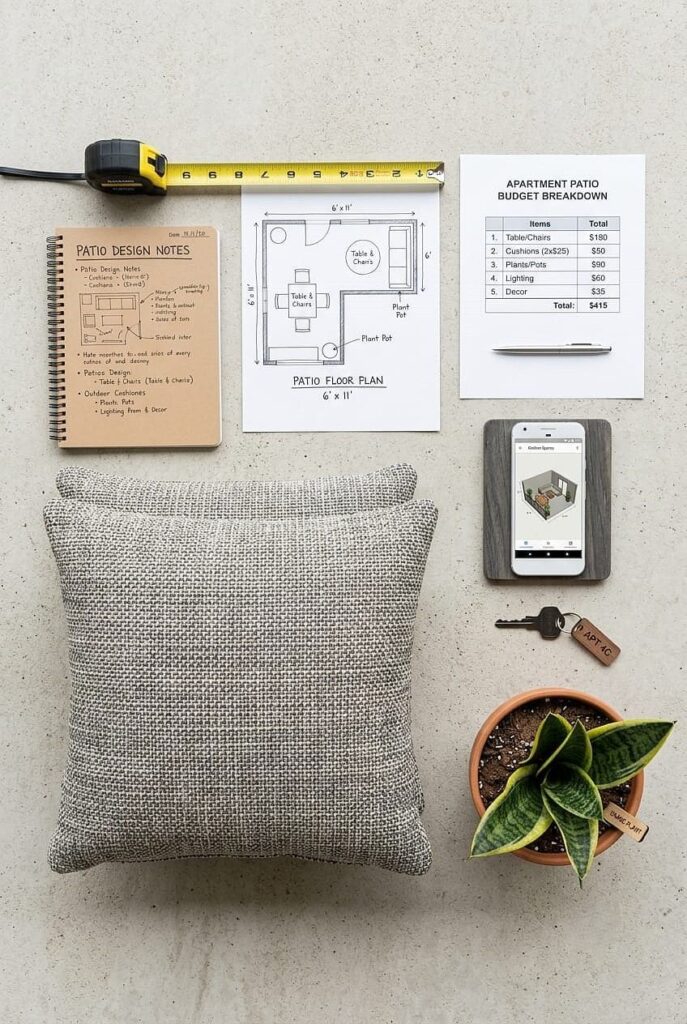
You’re paying for square footage you’re not using. Whether your rent includes outdoor space or you own outright, that patio is part of your property cost. Ignoring it makes no financial or practical sense.
Beyond the money angle your mental health actually depends on outdoor access. Research consistently shows that having a usable outdoor space reduces stress, improves mood, and gives you a legitimate escape route when indoor life feels claustrophobic. A decent patio does that without requiring you to leave home or spend two hours at a crowded park.
The second reason people ignore apartment patios? They think transformation requires money they don’t have. That’s just wrong. I’ve seen the most stunning patios created for under $200. It’s about prioritization, not budget.
Think about your typical morning or evening routine. You wake up, grab coffee, scroll your phone inside. You come home from work, stay inside, eventually go to bed. Repeat. Meanwhile, that outdoor space sits empty collecting dust. What if instead you spent twenty minutes on your patio with that coffee? Or decompressed outside for thirty minutes after a terrible day before coming inside? That changes your entire mental state, and it costs nothing except intention.
Your apartment patio also increases your home’s actual usable living space without renovating. A 40 square foot patio might only be 5% of your total apartment, but on a nice day, it effectively becomes an extra room. You’re not cramped in that one-bedroom anymore you’ve got an outdoor alternative. For people living in smaller spaces, this is genuinely life-changing.
Consider the rental market angle too. Apartments with styled, inviting patios are more appealing to future renters (or buyers). If you ever sublet or rent out a room, that gorgeous patio becomes a selling point. Even if you’re just renting for yourself, creating an attractive outdoor space makes you actually enjoy where you live, which reduces the constant urge to move or upgrade.
The Budget Reality & Where Money Actually Matters
Here’s what costs almost nothing: seating arrangements, shade solutions, and plant placement. Here’s what actually costs something: quality furniture that lasts and proper drainage solutions.
Let me break down a realistic patio budget:
A single solid outdoor chair or two used ones from Facebook Marketplace costs maybe $50-100 combined. An umbrella for shade runs $30-80. Planters and potting soil together? $40-60 if you’re not buying high-end designer pots. You’re looking at a functional, pleasant patio for under $200.
Here’s where I’m being honest about spending: You should absolutely skip the $15 plastic chairs that feel like they’re from a dorm room circa 2003. They look cheap, feel uncomfortable, and actually cost you more because you’ll replace them yearly. Spend $80-120 on one quality chair instead. It’ll last a decade. That’s $8-12 per year. Sustainable and actually cost-effective.
Where you should actually spend money: a good outdoor rug and weather-resistant cushions. These things get hit by sun, rain, temperature swings, and foot traffic. Cheap versions fall apart in one season. A decent rug and cushions cost $150-250, but they’ll last 3-4 years instead of shredding by October. That’s real durability.
A budget breakdown for different spending levels:
Super Budget ($150-200): One quality chair ($80), shade umbrella ($40), potted plants and soil ($30), side table or stool ($40)
Comfortable Budget ($300-400): Two outdoor chairs ($150), shade umbrella or sail ($70), quality outdoor cushions ($100), planters and plants ($80)
Real Investment ($500-700): Sectional seating or lounge set ($300), retractable shade sail ($150), weather-resistant rug ($100), planters, plants, and soil ($150)
If you’re renting, skip the expensive stuff entirely. Rent-friendly options include removable shade sails, freestanding planters, lightweight furniture you can take with you, and weatherproof rugs that aren’t permanently installed. When you move, your patio transformation goes with you. Seriously, this is huge. I’ve moved four times and taken my patio transformation with me every single time. It’s become a running joke with my friends I show up to a new place with plants and cushions before my furniture even arrives.
One often-overlooked budget item: weatherproof storage. A single outdoor bench with storage underneath costs maybe $100-150 and becomes invaluable. You’re storing cushions, extra potting soil, gardening tools, and string light replacement bulbs. Without it, you’re scrambling to bring everything inside, which defeats the purpose of outdoor living.
Layout and Design: Size Doesn’t Matter (Seriously)
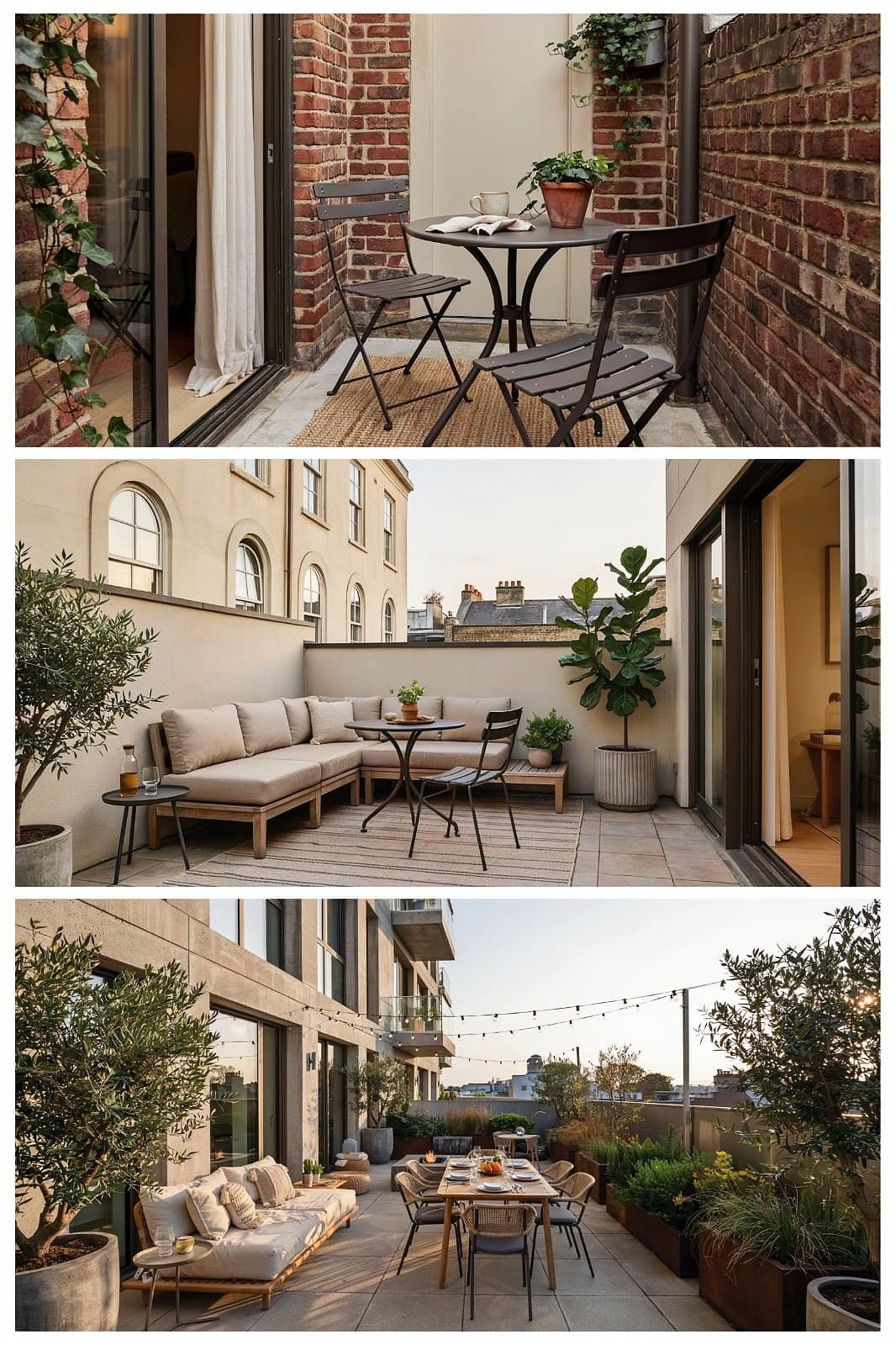
Your patio might be a generous 200 square feet, or it might be a postage stamp at 40 feet. The size doesn’t determine whether it works the layout does.
Start by actually measuring. Get a tape measure. Most apartment dwellers eyeball it and end up cramming furniture that doesn’t fit or buying pieces that look awkward in proportion. Knowing your exact dimensions changes everything. You can plan around it instead of fighting it. Take measurements from the door outward, including the length and width. Note any obstacles: AC units, electrical boxes, drainage areas, or structural columns. These aren’t problems they’re constraints that shape better decisions.
Sketch a quick floor plan on paper or use a free app like Floorplanner. Don’t overthink it. Just block out where furniture could go. This prevents the classic mistake of buying a sectional that takes up 70% of your patio, leaving no walking space.
Next, identify what you actually want from the space. Are you sitting alone with coffee in the mornings? Hosting small gatherings? Growing plants? Reading? Drinking wine on Friday nights while ignoring your phone? (That one’s optional but recommended.) Your answer determines everything else. Seriously, this single decision ripples through every choice you make afterward.
For small patios (under 100 sq ft): Pick one primary function. A tiny patio with a bistro table and two chairs beats a tiny patio crammed with a lounge chair, side table, planter, and a decorative stool all fighting for space. Constraint forces better decisions. Small patios also work beautifully for single-person living. You’re not trying to host dinner parties you’re creating a personal retreat. One quality chair, good lighting, and a potted plant. Done. Perfectly functional.
For medium patios (100-200 sq ft): You can mix activities. Seating area in one corner, plant zone in another, maybe a small side table for drinks. Keep pathways clear so the space doesn’t feel like an obstacle course. This is where you have breathing room for both solo relaxation and occasional entertaining. You might fit a small bistro dining set AND a lounge chair. You might have a dedicated corner for container gardening without it dominating the whole space.
For large patios (200+ sq ft): You have room to create zones. Lounge area, dining area, container garden section. This is where apartment patio design gets actually fun because you’re basically designing an outdoor room. You could reasonably have multiple seating areas a comfy conversation zone, a solo reading nook, even a standing bar height table for casual entertaining. Larger patios also handle layered landscaping better. You can plant tall ornamentals in back corners without blocking sight lines from your main seating area.
The layout trick nobody talks about: create flow. Imagine walking into your patio. Where do you naturally move? Design around that path, not against it. If the door opens and you instinctively walk to the far corner, your main seating should face that direction, not perpendicular to it. This sounds simple, but most apartment patios violate this rule, making the space feel awkward.
Also consider sun patterns throughout the day. Morning sun feels different than afternoon sun. If you’re there in the morning, orienting seating to catch sunrise is perfect. If you’re there in evening, you might want afternoon shade to make that time comfortable. Shadow mapping takes two minutes but prevents designing a patio that’s only usable for an hour per day.
Plants, Shade, and Creating an Actual Atmosphere
Bare concrete looks depressing. It’s also hotter, less private, and honestly just sad. But you don’t need to become a gardener to fix it.
Shade first. You’re not sitting outside in direct sun when it’s 95 degrees nobody does. A retractable shade sail, umbrella, or even a couple of potted trees makes the space usable. Pick something that matches your climate. In intense sun? Go aggressive with shade. In moderate climates? Less critical, but still makes the space feel cozier. There’s actually a psychological element here too shade makes a space feel more intimate, like you’re in a room rather than exposed.
Retractable shade sails run $60-150 and attach to walls. They’re landlord-friendly if you use removable hardware. Umbrellas are $30-80 and need no installation. Larger cantilever umbrellas ($150-300) work better for bigger patios because they don’t require a center pole taking up valuable space.
Plants second, but strategically. You don’t need a full garden. Three to five well-chosen plants create incredible atmosphere while staying totally manageable. Pick plants that match your actual gardening commitment level (or lack thereof). If you forget to water things, go low-maintenance: succulents, ornamental grasses, or drought-tolerant shrubs in your area.
Here’s the honest part: most people overestimate their plant care abilities. Be realistic. If you kill houseplants, don’t get seventeen potted plants for your patio. Start with three hardy specimens. Succulents, sedum varieties, and ornamental grasses basically thrive on neglect. They want dry conditions and minimal fussing.
Container gardening works perfect for apartment patios because you can:
● Move plants around as the seasons change
● Swap dead plants without landlord drama
● Control soil quality and drainage
● Take everything with you when you move
● Experiment without permanent commitment
For herbs and veggies: A single tall planter with basil, mint, and cilantro sits in a corner and actually gets used in your cooking. That’s better than pretending you’ll maintain a full herb garden. One herb planter feels achievable. Five does not. Mint especially becomes your friend it’s nearly impossible to kill, grows aggressively, and you’ll actually use it in drinks and cooking.
Plant placement matters more than most people think. Put taller plants in corners to create natural privacy screens without looking intentional. Put flowering plants where you see them from your main seating area. Put herbs near the door so you grab them while cooking. These small decisions make the space feel both beautiful and functional.
Vertical gardening saves space on smaller patios. Wall-mounted planters, hanging baskets, or tiered plant stands let you grow more without taking up floor space. A single tiered planter can hold a dozen small succulents or herb varieties without dominating your patio.
Making It Feel Like a Real Room (Even Though It’s Outside)
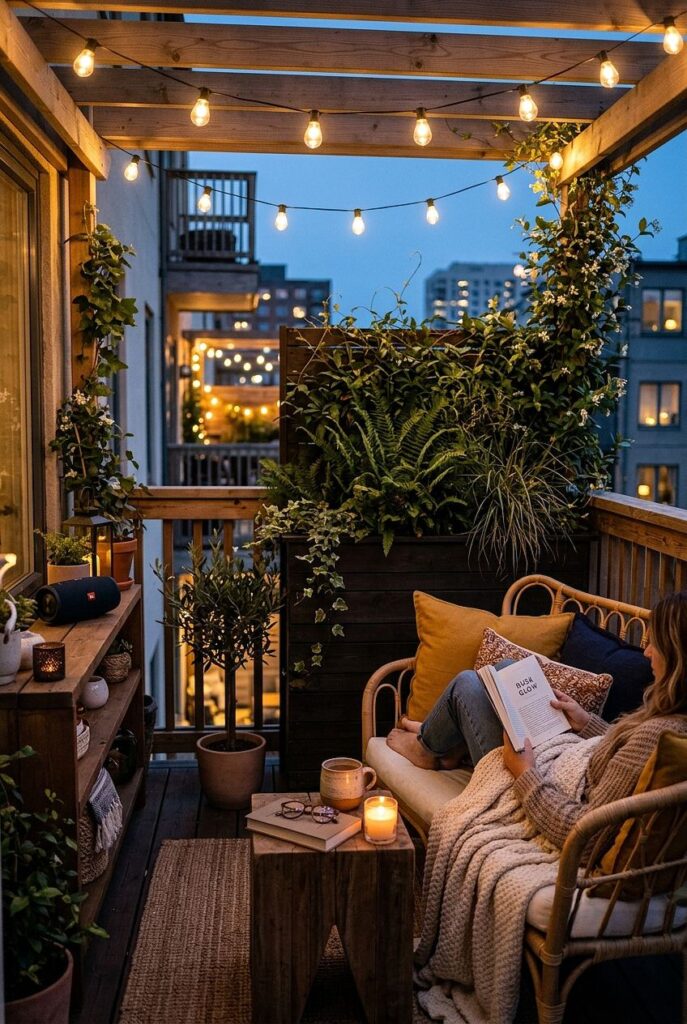
Here’s what separates Instagram-worthy patios from places people actually spend time: they feel intentional. They’re not just “outdoor stuff arranged on concrete.” They’re designed spaces with personality and purpose.
Add lighting, even if it’s just string lights. They’re $15-30, totally rental-friendly, and they transform a daytime patio into an evening destination. Suddenly you’re outside after sunset instead of packed inside. String lights create ambiance that makes sitting outside feel like an event rather than a chore.
Consider solar-powered options too ($20-40). They charge during the day, glow at night, and require zero wiring or outlet access. Perfect for renters. They’re not as bright as electric string lights, but they create that essential atmosphere.
Include a small side table or surface for drinks, books, phones, whatever. Humans need a place to put things. Don’t force yourself to hold everything or balance a glass on your lap for an hour. A simple side table becomes the difference between a patio where you sit for ten minutes and one where you actually relax for an hour. One small accent table even a tree stump painted or a wooden crate changes everything.
Create a subtle boundary between your patio and the neighbors’ view. This could be a tall planter, a privacy screen, or even bamboo in a freestanding trellis. IMO, nobody wants to relax while staring directly at someone else’s window. A minor visual barrier changes everything about how comfortable the space feels. You don’t need a fortress. Just enough to suggest privacy. Tall ornamental grasses in a planter do this beautifully without blocking light or feeling closed-in.
Keep a small speaker outside and play music. It sounds trivial, but background sound makes outdoor sitting feel less awkward when you’re alone. It fills the silence. A $30-50 Bluetooth speaker is totally reasonable and brings your patio into the modern world. You can stream whatever ambient music, podcasts, indie playlists. It makes the space feel intentional and curated to your vibe.
Throw in minimal decor that actually reflects your taste. One piece of outdoor wall art, a colorful throw pillow, string lights shaped like something you enjoy. These details take the patio from “generic outdoor setup” to “this is clearly someone’s space.” Don’t overdo it, but don’t be afraid to personalize either.
Seasonal Maintenance (Because Real Patios Need Care)
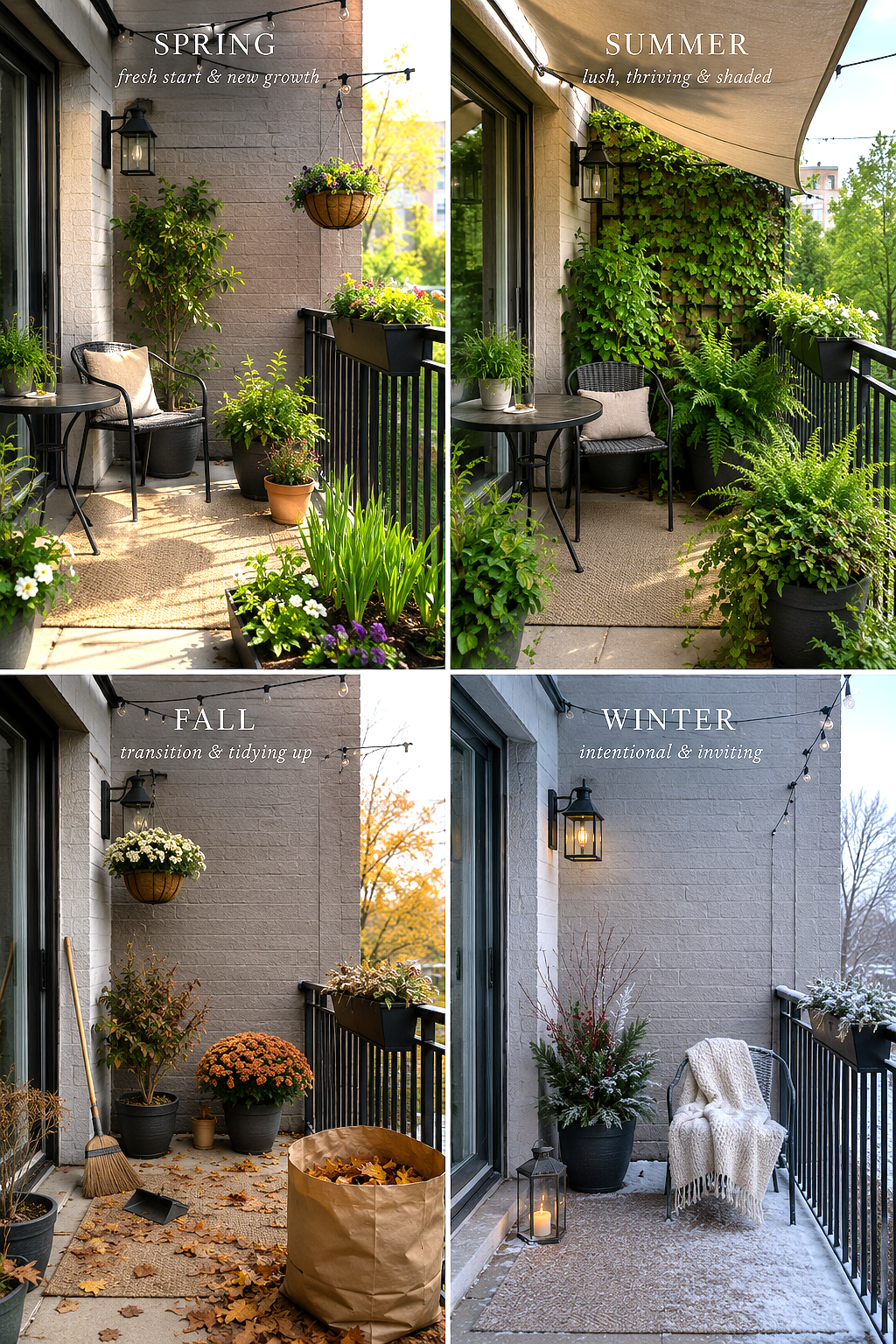
Your patio doesn’t hibernate in winter it just transforms. Plan for seasonal changes instead of abandoning it for six months.
Spring: Deep clean. Sweep off debris, check for mold (happens in shaded areas over winter), hose everything down, let things dry out properly before arranging furniture again. Refresh potting soil in planters. Divide or repot plants that got root-bound over winter. This is reset time.
Summer: Keep it covered when you’re not using it. A shade cloth or tarp protects furnishings from intense sun and reduces how much heat it absorbs. Intense sun degrades cushions and outdoor fabric faster than anything else. If you’re not sitting outside, shield your furniture. Water plants more frequently in heat. Check soil moisture daily container plants dry out fast in summer.
Fall: Move potted plants to protected areas as temperatures drop. Check drainage so water doesn’t pool and freeze. Remove leaves regularly so they don’t clog drains or create slip hazards. Bring herbs indoors if you want to keep using them. Ornamental plants look beautiful in fall but require less activity honestly, fall is the easiest season for outdoor maintenance.
Winter: This is when most apartment patios look abandoned. Counter that by bringing out a single item that shows life a winter-blooming planter, a small bistro heater, even just a cushioned chair with a throw blanket. It keeps the space feeling intentional, not forgotten. You might not sit outside often in winter, but having one inviting element maintains the mindset that this is part of your living space year-round.
Store cushions, rugs, and fabric items indoors during winter in colder climates. They’ll last longer and you’ll actually want to sit outside if you don’t have soggy cushions. Keep one weatherproof chair or bench out though. It looks lived-in and reminds you the patio isn’t dead, just dormant.
FAQ’s
How much does it typically cost to transform a small balcony?
Budget transformations start under $200 with plants, string lights, and one chair. Mid-range upgrades (quality furniture, privacy screens) run $500–$1,500. Premium setups exceed $2,000.
What’s the best low-maintenance plant for small balcony spaces?
Succulents, pothos, and snake plants thrive on balconies with minimal watering. Herbs like basil and mint are practical, hardy, and actually useful for cooking.
Are small balcony improvements renter-friendly, or do I need landlord permission?
Hanging plants, string lights, and removable furniture require no approval. Permanent installations like awnings or shade cloth need landlord sign-off first.
How can I make a shaded small balcony work if it gets minimal sunlight?
Focus on shade-tolerant plants (pothos, hostas, ferns). Prioritize lighting and furniture for ambiance rather than sun-dependent gardening or reading spots.
What’s the smallest balcony size that can actually be functional?
Even 40–50 square feet works with vertical gardening and one seat. The key is intentional design every element needs to earn its space.
CONCLUSION
Your apartment patio doesn’t need to be magazine-perfect. It needs to be usable, which means it actually gets used. Start with one decision what will you do out there? then build around that. In two weekends and under $300, you’ll have transformed a forgotten concrete rectangle into the room where you actually want to spend time. That’s the real win.