
hotel style bedroom
By Anna Grace | 15 April 2026
How to Transform Your Bedroom Into a Luxury Hotel Experience
Your bedroom right now probably doesn’t feel like the Park Hyatt suite you crashed in last spring. That’s not an accident hotel designers spend serious money figuring out why their rooms feel like sanctuaries while most home bedrooms feel like, well, where we keep our laundry and regrets.
The truth? You can absolutely flip the script. A hotel style bedroom isn’t about fake luxury or pretending you’re on vacation indefinitely (though that would be nice). It’s about stealing the actual design principles that make hotels the place where your brain finally agrees to shut up at night. I’ve spent the last three years slowly dismantling my bedroom and rebuilding it to feel less like a dorm room and more like somewhere a person might actually want to be. Here’s what actually works.
Your Mattress Situation Is Everything
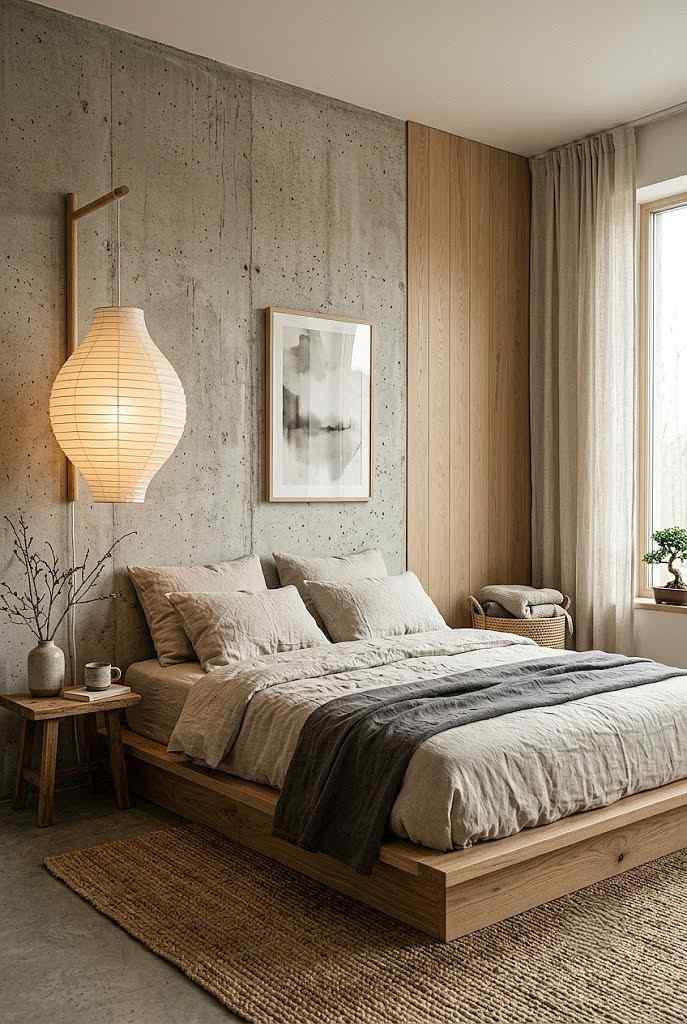
Let’s address the biggest culprit: your bed probably doesn’t feel like a hotel bed because it actually isn’t one. Hotel mattresses are picked for a reason they need to make strangers from different continents feel comfortable on the first night. That means medium firmness that doesn’t confuse your spine, superior edge support so you don’t feel like you’re rolling toward the floor, and materials that breathe so you don’t wake up in a puddle of your own choices.
You don’t need to drop $3,000 on a luxury mattress to capture this feeling. What you need is a mattress that prioritizes comfort and durability. The sweet spot? Look for medium-firm options with multiple foam or coil layers. Hotels often use hybrid mattresses because they genuinely satisfy most sleeping styles you’re not gambling on whether you’re a side sleeper who’ll hate it in six months.
Consider adding a quality mattress topper if your current mattress is salvageable. A 2-3 inch memory foam or gel topper ($200-500) transforms a mediocre bed into something legitimately restful. Why do hotels refresh their toppers regularly? Because they work, and guests feel the difference immediately.
The mattress industry wants you confused, throwing around terms like “pillow top,” “gel-infused,” and “pressure-relieving memory foam” like they all mean the same thing. They don’t. A hotel style bedroom starts with understanding what makes a hotel mattress actually feel different when you sink into it at 11 PM.
Hotels invest in mattresses that handle temperature regulation because the last thing they want is guests calling the front desk at 2 AM complaining they’re overheating. This is why gel-infused toppers or latex layers show up in quality hotel mattresses they pull heat away from your body instead of trapping it like a down comforter trying to cook you alive. If you run hot at night (and let’s be honest, most of us do), this single feature changes everything.
The firmness debate matters too, but not the way mattress commercials present it. Hotels don’t pick ultra-firm beds or cloud-soft pillow tops they pick medium-firm because it supports your spine, prevents that sinking feeling that makes your lower back ache at 4 AM, but still feels responsive and comfortable. When you test a mattress for three minutes in a showroom, it always feels fine. You need to think about what your back, hips, and shoulders will say after eight hours of actual sleep. Hotels handle this by testing their beds with different body types and sleeping positions before committing to thousands of units.
Edge support gets overlooked constantly, and it’s criminal. When you sit on the edge of your current bed, does it feel like you’re teetering on a cliff? Hotels engineer their mattresses so you can literally sit on the edge without feeling like you’re defying physics. This comes from reinforced foam or coil systems around the perimeter a detail that costs more but extends mattress life and prevents that gradual sag toward the wall that makes a queen bed feel like a twin after five years.
Budget-friendly mattress shopping? Start with hybrid options in the $800-1400 range. You’ll get coil support (which hospitals and hotels love because it lasts forever) combined with foam comfort layers. The durability and actual lifespan of a decent hybrid beats cheap memory foam by years. One more thing: mattress firmness preference actually changes with age your 25-year-old self and your 45-year-old self might want completely different things. Hotels staff their rooms with medium-firm because it’s the safe middle ground, but for your personal hotel style bedroom, test before you commit. No amount of aesthetic layering fixes sleeping on a mattress that works against your body.
Bedding That Doesn’t Feel Like Sandpaper
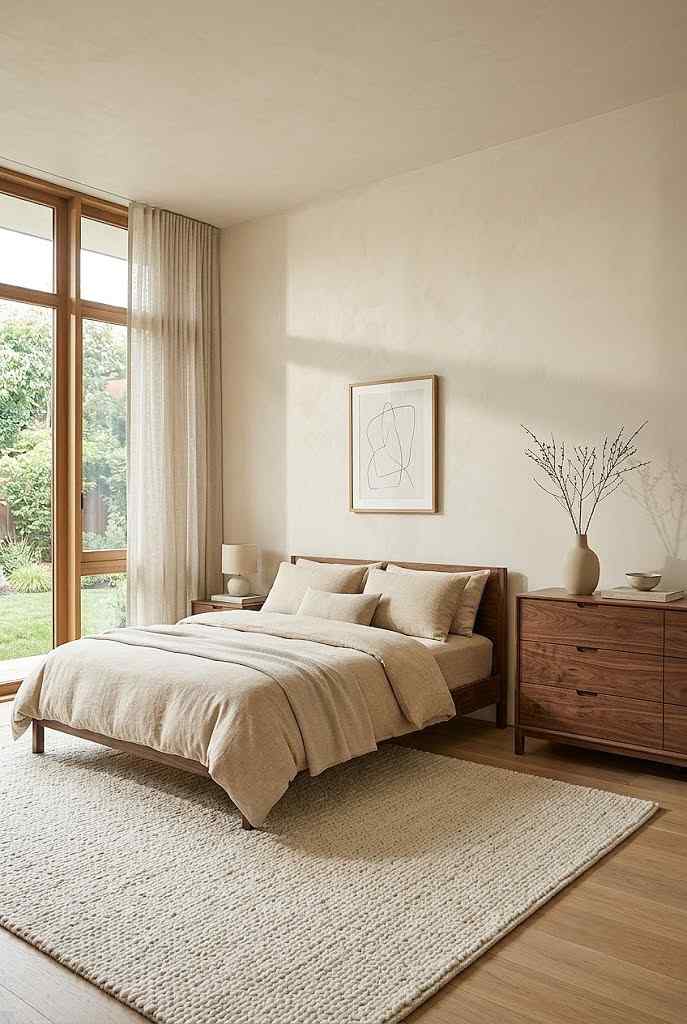
Here’s where most people mess up: they buy cheap cotton sheets and wonder why they don’t feel like sinking into clouds. Hotel bedding works because it’s woven from higher thread counts and better-quality fabrics usually Egyptian cotton, bamboo blends, or linen.
You’re looking for sheets around 400-600 thread count (anything higher is usually marketing nonsense). The fabric matters more than the number anyway. Egyptian cotton breathes better and softens with every wash, which is why hotels use it religiously. Bamboo blends? They’re temperature-regulating and hypoallergenic basically your skin’s best friend if you run hot at night.
The layering system hotels use is dead simple: fitted sheet, flat sheet, one or two blankets or a duvet, then throw pillows for looks. This gives you flexibility (peel back layers if you overheat) without the feeling of suffocating under a single comforter. Honestly, I resisted this setup for years because it felt excessive, then I tried it and suddenly my bedroom became the place I most wanted to be at 9 PM.
Here’s where most people mess up: they buy cheap cotton sheets and wonder why they don’t feel like sinking into clouds. Hotel bedding works because it’s woven from higher thread counts and better-quality fabrics usually Egyptian cotton, bamboo blends, or linen.
You’re looking for sheets around 400-600 thread count (anything higher is usually marketing nonsense). The fabric matters more than the number anyway. Egyptian cotton breathes better and softens with every wash, which is why hotels use it religiously. Bamboo blends? They’re temperature-regulating and hypoallergenic basically your skin’s best friend if you run hot at night.
The layering system hotels use is dead simple: fitted sheet, flat sheet, one or two blankets or a duvet, then throw pillows for looks. This gives you flexibility (peel back layers if you overheat) without the feeling of suffocating under a single comforter.
Shopping for sheets feels absurdly complicated until you realize hotels figured this out decades ago and stuck with it. The reason most people’s sheets feel scratchy, pill after three months, or lose softness is because they’re buying bargain-bin cotton that gets its thread count by twisting thinner yarns together instead of using quality fibers.
Egyptian cotton comes from a specific region and grows longer fibers naturally. These longer fibers (called staple length) wrap around each other more smoothly, creating softer cloth that doesn’t develop those annoying little balls of fuzz after a few washes. Pima cotton (another luxury option) comes from the American Southwest and offers similar benefits. Neither is about snobbery it’s actual fabric science. Hotels switched to these specific cottons because guests complained less and the sheets lasted longer, making the per-night cost actually cheaper despite the higher upfront investment.
Bamboo blends introduce a wrinkle though. Bamboo fabric is made through a chemical process (viscose production), and some people worry about environmental impact while others worry about fabric durability. Here’s the real deal: bamboo sheets genuinely regulate temperature better than cotton alone, and they’re silky-soft in a way that appeals to people who find pure cotton slightly rough. Hotels in tropical climates often use bamboo blends for this exact reason. For your hotel style bedroom, try a 60% bamboo/40% cotton blend if you overheat, or go full Egyptian cotton if coolness isn’t your main complaint.
The flat sheet situation confuses everyone. Some people ditch it, some stack two, some use duvets instead. Hotels use flat sheets because they’re protective (your duvet cover touches your skin less, meaning fewer washes needed), they provide flexibility (throw it off if you get hot), and they look intentional when the bed is made. This is functional, not decorative. A properly executed hotel bed has: fitted sheet touching the mattress, flat sheet over you (loose or tucked depending on preference), then duvet or blanket on top. You can literally peel back the duvet and have a lightweight sheet if the temperature shifts.
The thread count ceiling matters too. Beyond 600 threads per square inch, manufacturers start twisting multiple thin threads together to hit inflated numbers. This actually makes fabric less breathable and more plastic-y feeling the exact opposite of what you want. Hotels stick to 400-600 because that’s where the softness peaks without losing breathability. Anything labeled 1000+ thread count is typically marketing theater played on people who assume higher numbers always mean better.
Washing routine affects everything. Wash new sheets before using them (removes manufacturing residue), then use cold water with gentle detergent, skip the fabric softener (it coats fibers and reduces breathability), and don’t overdry. Slightly damp sheets that finish drying on your bed actually feel softer than bone-dry ones from the dryer. Hotels do industrial laundry with this principle baked in their sheets hit your bed slightly cool and barely damp, which triggers that amazing hotel bed sensation.
The Underrated MVP
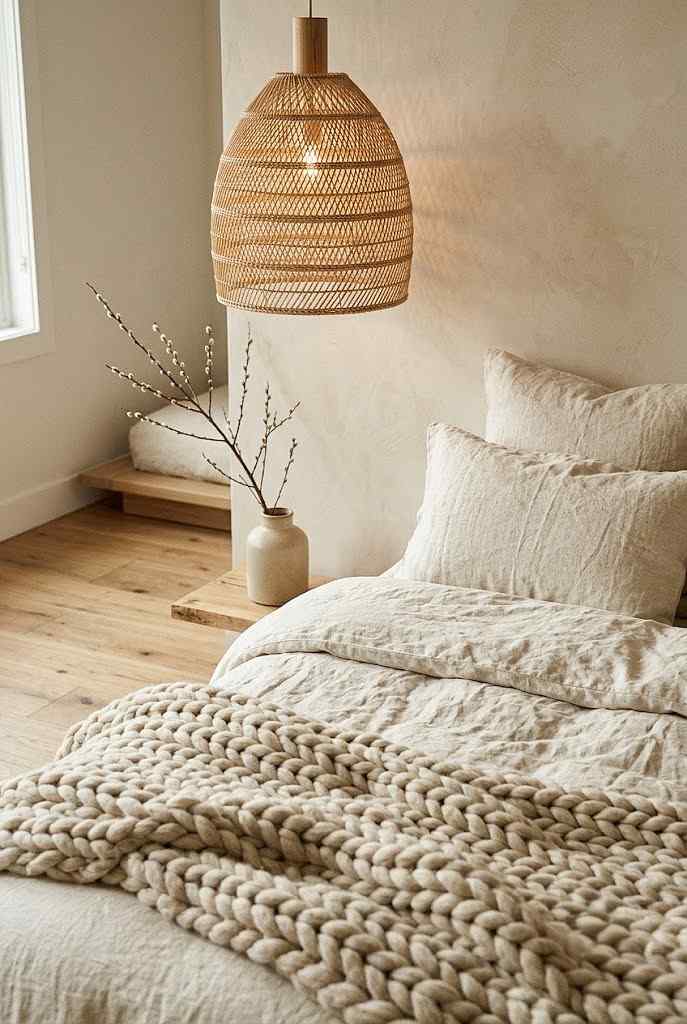
Want to know why hotel pillows feel amazing? They’re designed to be supportive but also somehow cloud-like, and hotels buy them in bulk from specialty manufacturers who obsess over this exact problem. Your pile of mismatched pillows from 2015? They’re not doing you any favors.
Invest in two really good pillows seriously, this is one of the best ROI moves you can make. Look for medium-loft pillows with memory foam or down alternative fills. Down feels luxurious but triggers allergies for some people; memory foam gives you support that actually adjusts to your head instead of going flat by week two.
Hotels also layer decorative pillows in front of functional ones. It’s partly aesthetics, sure, but it also means your sleeping pillows get used (not decorative prison) while the pretty ones stay pristine. The separation matters more than you’d think.
The pillow conversation gets heated because people have genuinely different needs. Side sleepers need thick pillows; back sleepers need medium; stomach sleepers barely need pillows at all. Hotels solve this by offering multiple pillow options at the front desk—some rooms stock pillows and let you request others. You can’t do that, so you’re picking pillows for your specific sleep position, and this matters more than brand name.
Memory foam pillows divide opinion wildly. The good ones conform to your head shape, providing neck support that prevents morning stiffness. The cheap ones trap heat and go flat after two months. Hotels use high-quality memory foam (usually 4-5 pound density) that holds shape for years. If you go this route, expect to spend $80-150 per pillow. Honestly, it’s worth it because you spend eight hours on this thing every night.
Down pillows feel incredible if you like soft squishiness and don’t have feather allergies. The downside? Down shifts around, compacts with use, and needs regular fluffing. Hotels have housekeeping staff to fluff pillows; you probably don’t. Down alternatives (synthetic fills mimicking down) split the difference they’re soft, hypoallergenic, but still require fluffing and eventually compress. If you’re considering this route, get at least medium-loft (medium thickness) so you’re not waking up with your head basically touching the mattress.
Loft matters massively and people ignore it constantly. Loft is pillow height, and it should roughly match your shoulder width and mattress softness. Narrow shoulders? Lower loft. Broader shoulders? Higher loft. This prevents your neck from bending at angles that cause pain. Hotels typically stock medium-loft pillows because it’s the safe middle ground, but for your personal hotel style bedroom, grab a measuring tape and a friend measure from where your shoulder hits the mattress to where your neck connects. That’s your ideal pillow height.
The decorative pillow situation isn’t purely visual. Hotels layer them front-to-back because it protects your sleeping pillows. You’re less likely to drool on, sweat on, or absentmindedly rest your head on a pillow that’s purely decorative and slightly awkwardly positioned. Your actual sleep pillows stay fresher longer, meaning fewer mid-week washes. Pick decorative pillows that coordinate with your color scheme but don’t worry about ultimate comfort they’re not sleeping pillows, they’re finishing pieces.
Washing pillow covers weekly and pillows every 2-4 weeks extends lifespan dramatically. Most people never wash their pillows and wonder why they start smelling like a gym locker in six months. Hotels wash continuously because pillows are expensive and keeping them fresh is cheaper than replacing them. You can machine wash most pillows (check the tag) or send them to professional cleaners quarterly.
One final pillow truth: better pillows change your sleep quality faster than any other single investment. Better mattresses matter, sure, but you notice pillow upgrades immediately because your head and neck feel different the moment you lay down. This isn’t luxury it’s basic ergonomics finally working in your favor.
Lighting That Doesn’t Make You Look Like an Extra in a Zombie Film
Here’s something I didn’t expect to transform my bedroom lighting. Hotel rooms have lighting designed by people who understand that humans need different types of light at different times. Your single overhead fixture? It’s lighting you like an interrogation room at 10 PM.
Layer your lighting like hotels do. You need:
● Bedside lamps with warm, dimmable bulbs (3000K color temperature is the sweet spot)
● One overhead fixture that isn’t blinding
● Optional ambient lighting a corner lamp, wall sconces, or even LED strips behind the headboard
The game-changer is dimmable bulbs. You’re not just turning lights on or off; you’re adjusting the whole vibe. As evening rolls around, dimmer lighting signals your brain that sleep is incoming instead of jolting it awake with hospital-white fluorescents. That’s not fancy that’s your circadian rhythm getting the signal it needs.
The color temperature number (2700K, 3000K, 5000K) controls everything about how your bedroom feels and whether your body cooperates with sleep. Lower numbers (2700K) produce warm, orange-ish light that triggers melatonin production your body’s sleep chemical. Higher numbers (5000K) produce blue-white light that tricks your brain into thinking it’s midday. Guess which one hotels use after dark? Exactly.
Your overhead fixture probably ships with daylight bulbs (5000K) because they make spaces look “clean,” but they’re actively working against sleep. Swap those bulbs immediately for warm white (2700K or 3000K). This single change costs maybe $15 and transforms the room from “interrogation chamber” to “actual bedroom where sleep might happen.”
Bedside lighting deserves obsessive attention because you’re positioning lights at eye level when lying down. Harsh bedside lamps create glare and tired eyes; warm, diffused bedside lamps signal your brain that winding down is starting. Get bulbs with diffusers or shades that disperse light instead of creating a bright point. The goal is “ambient glow,” not “spotlight on your face.”
Dimmers are non-negotiable for a hotel style bedroom. You’re not buying smart lights or expensive systems just basic dimmers ($15-30 each) installed where your switches are. As evening approaches, you dial lights down gradually. This mimics sunset’s natural dimming and keeps your circadian rhythm informed about what time it actually is. Your current approach (lights on at full blast until bedtime, then darkness) is basically forcing your body through a mini jet lag experience every single day.
Layering means having options. Overhead lighting for mornings when you need brightness. Bedside lamps for reading and winding down. Maybe a corner lamp or wall sconces for mood. You’re not using all of them simultaneously that would be absurd. You’re creating options so different times of day get different treatments. 6 AM? Overhead light at moderate brightness. 9 PM? Bedside lamps at 30% brightness. Midnight? Bedside lamp off, optional corner ambient light at 10%.
Avoid LED strip lighting unless you’re genuinely into the “aesthetic gaming room” vibe. Hotels don’t use RGB strips behind headboards because they look cool in photos they use warm, barely-visible accent lighting. If you want ambiance, use a single warm-toned corner lamp or consider installing simple warm LEDs behind your headboard set to a fixed warm color. You’re not creating a nightclub; you’re creating a space where melatonin actually functions.
Blue light filters on phones and tablets matter more than people think, but they’re a bandaid on the real problem. If you’re scrolling your phone at 11 PM under full-brightness bedroom lights with blue-white bulbs, you’re fighting your own biology. The lighting environment matters more than the filter. Get the room lighting right, and you won’t need to worry as much about device settings.
One last thing: natural light during the day matters for nighttime sleep. Hotels have windows for a reason morning and afternoon daylight exposure helps regulate sleep cycles. If your bedroom faces a wall, make sure you’re getting outdoor light elsewhere during the day. This isn’t about bedroom aesthetics; it’s about your body clock actually knowing what day it is.
Air Quality and Scent (The Thing Nobody Talks About)
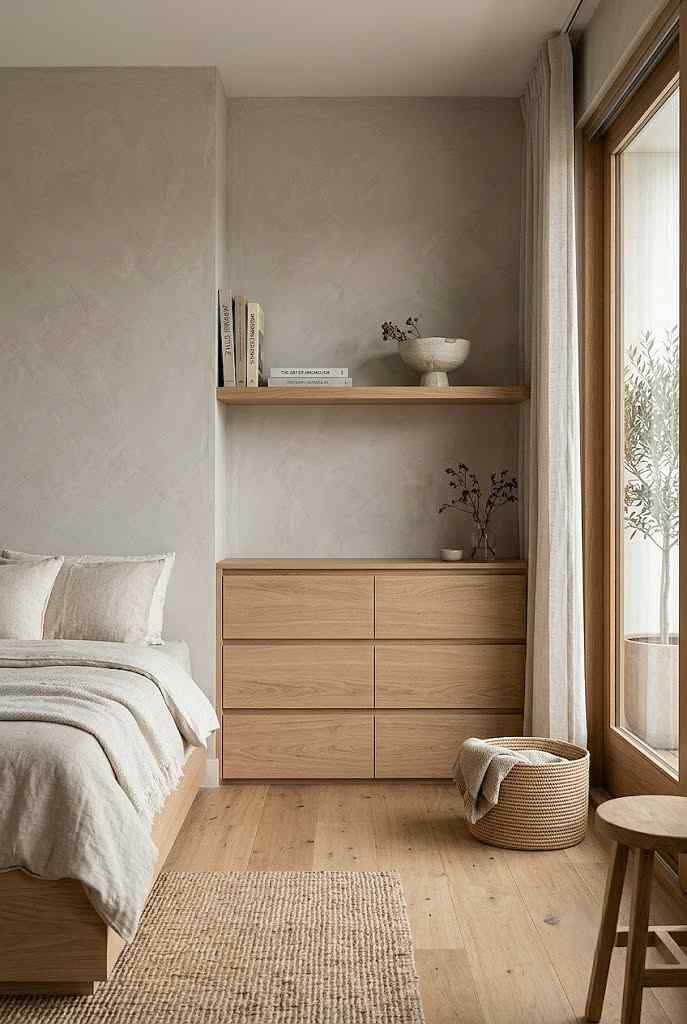
Walk into any decent hotel room and something feels instantly calming. Part of it? Clean air and subtle, intentional scent. Hotels take HVAC seriously because stale air makes everything feel stagnant and depressing.
Open your windows regularly if you can that’s free and honestly the best air quality hack. If you’re in a no-windows situation or just want to boost it, a basic HEPA air purifier ($80-150) removes dust and allergens, making the air feel legitimately fresher. Hotels also invest in good ventilation because it directly impacts sleep quality.
For scent, keep it minimal. Hotels don’t drench rooms in fragrance; they use subtle aromatics a light linen scent, maybe something clean. A single quality candle, diffuser, or even fresh flowers does the job without overwhelming you. The goal is “clean and inviting” not “I’m fighting a floral assault.”
Air quality affects sleep in ways people underestimate. You’re breathing for eight hours straight in your hotel style bedroom, and if you’re breathing stale air with dust and allergen particulates, your sinuses are working overtime, your sleep gets interrupted, and you wake up feeling stuffed. Hotels run their HVAC systems obsessively because guests complain immediately about musty, stale rooms.
HEPA filters actually work they capture 99.97% of particles 0.3 micrometers or larger. This includes dust, pollen, pet dander, and mold spores. If you have allergies or just live in a dusty environment, a basic HEPA purifier in the corner running overnight noticeably improves breathing. You’ll wake up clearer, sleep deeper, and sneeze less. It’s not sexy, but it fundamentally changes the bedroom experience.
Humidity levels matter too. Below 30% humidity and your respiratory system feels irritated; above 50% and mold starts considering your walls for real estate. Hotels maintain 40-50% humidity because that’s where humans genuinely breathe easiest. If you live somewhere dry, a basic humidifier during winter ($50-100) makes breathing feel better. If you’re humid-climate dwelling, a dehumidifier prevents that gross, sticky feeling and keeps mold from colonizing your ceiling.
Opening windows has become this weird luxury in modern life, but it’s actually your best air-quality hack. Ten minutes of cross-ventilation (windows on opposite sides open) exchanges the entire room’s air. Hotels do this between guests. You can do this every morning open windows, let air flow, feel the difference. If you’re in a polluted city or have pollen allergies, focus on evening or early morning ventilation when air quality peaks.
Timing matters too. If you’re renovating or painting your bedroom anyway, installing the chandelier after those projects finish prevents damage to the fixture. Installing beforehand means protecting it during construction, which is annoying. Coordination prevents frustration.
The scent situation requires restraint. Hotels don’t smell like Bath & Body Works exploded. They smell clean which is mostly the absence of bad smells combined with very subtle freshness. Fresh white flowers (like lilies or tulips) provide natural scent without overwhelming. A single quality candle (lit for an hour before bedtime) beats continuous diffusers. Linen spray on your pillows before bed gives that fresh-sheets feeling without chemical assault.
If you’re considering scent diffusers, pick unscented or very lightly scented ones, and run them maybe 30 minutes before bed, not all night. Your nose adapts to constant scent (called olfactory adaptation), so you stop noticing it while your sleeping brain keeps processing it. Better to have scent turn on briefly, impress you, then turn off, than to run continuously while you gradually become nose-blind.
Avoid artificial air fresheners designed to “eliminate odors.” Most just mask problems bad smells usually mean something needs cleaning or ventilation, not masking. Spray them once, then address the root. Hotels do this correctly: they find the source of bad air, fix it (clean the room, increase ventilation), and only then apply subtle scent.
Plant-based options work better than you’d expect. Plants genuinely remove certain air pollutants (though not as effectively as purifiers), but they also just feel fresher and more living. A single pothos or snake plant in the corner costs $15 and makes the room feel like it has life in it. This is partly psychology, partly actual air improvement, mostly just that plants look intentional and alive.
The Details That Push It From Nice to Actually Like a Hotel
This is where your hotel style bedroom actually starts feeling intentional instead of just “nice bedding.” Hotels nail the details:
Minimal visual clutter. Nightstands with exactly what you need a lamp, maybe a phone charger, ideally nothing else staring at you. Invest in a drawer system or small shelf to keep things off the surface.
Quality hardware. Hotel headboards feel sturdy. Nightstands don’t wobble. These aren’t accidents they’re built by people who expect things to last. You don’t need expensive furniture, but cheap pieces that rattle when you move ruin the whole vibe.
Window treatments that actually work. Blackout curtains (or lined linen curtains if you want them to feel nicer) keep light out when you want to sleep and look intentional when closed. Sheer curtains alone turn your room into a fishbowl not zen.
One good throw blanket draped over a chair or the foot of the bed. Not scattered everywhere just one, nicely folded. Hotels understand that a single high-quality element draws attention better than a pile of mediocre ones.
The difference between a nice bedroom and a hotel style bedroom often comes down to invisible details that nobody could articulate but everyone feels. Your brain notices these things subconsciously a wobbly nightstand makes you feel slightly unsettled; sturdy furniture makes you feel secure.
Nightstand organization affects daily life more than aesthetics. Hotels position everything for function: lamp for reading, space for your phone at arm’s reach, drawer for personal items. Your nightstand probably houses your entire life random chargers, three books you started, lip balm, glasses, loose change. The mental fatigue of looking at clutter first thing when you wake up is real. Implement a one-drawer rule only items you actually use tonight go on the surface. Everything else goes in a drawer or removed entirely. This sounds obsessive; it’s actually liberating.
Hardware and furniture quality matters because cheap pieces literally shake slightly when you move. A nightstand with solid wood joinery versus particle board feels different when you set your phone down. You’re not buying expensive pieces necessarily you’re avoiding the ultra-cheap stuff that falls apart. Mid-range furniture (IKEA quality or better) holds up fine; ultra-budget furniture creates friction. Hotels invest in mid-range furniture specifically because it looks fine, lasts years, and handles daily abuse.
Window treatments either make or break a hotel style bedroom. Blackout curtains sound dramatic, but they’re genuinely transformative for sleep. Blackout linings filter out streetlights, early morning sun, and neighbor’s porch lights all things that disrupt sleep. If you prefer lined linen curtains for aesthetics, get them lined with blackout fabric. You’re not choosing style over function you’re getting both.
The throw blanket detail is genuinely just about having one quality piece that’s visibly intentional. Not scattered blankets everywhere one folded neatly over a chair or the foot of the bed. This signals “this person cares about their space” without screaming “I’m trying too hard.” Color-wise, match it to your overall palette: cream, soft gray, taupe nothing that clashes.
Wall color affects everything and people overthink it. Hotels use soft neutrals (off-white, soft gray, warm beige) because they don’t create visual stress. Your eyes can rest. If you love color, commit to one accent wall don’t paint all four because your brain never gets visual rest. Alternatively, keep walls neutral and add color through bedding and throw pillows, which cost way less to change if you get tired of it.
Artwork and wall décor should support the space, not crowd it. Hotels typically have one piece above the headboard and maybe one or two smaller pieces elsewhere. Not gallery walls, not empty white space just intentional, breathable spacing. Oversized art works better than multiple small pieces for creating calm.
Flooring matters if you’re going for full hotel experience. Hotels use materials that are easy to maintain (tile, wood, polished concrete) combined with a quality rug to define the bed area and add warmth. If you have carpet, invest in a good rug that anchors the room. Cheap, thin rugs look temporary; quality rugs feel intentional.
Storage that’s actually hidden transforms everything. Hotels have storage hidden behind closed doors or in drawers nothing visible. If your bedroom has visible clutter (exercise equipment, storage boxes, stacks of clothes), your brain never fully relaxes. Even if you can’t hide everything, getting a closet system that contains things makes massive difference. The goal is: if I close my eyes and open them, there’s nothing that makes me think “I need to organize something.” That’s hotel bedroom calm right there.
FAQ’s
How much money do I need to create a hotel style bedroom?
You can start with $1,500–$2,500 for mattress, quality sheets, pillows, and lighting basics.
What thread count sheets do luxury hotels actually use?
Hotels use 400–600 thread count Egyptian cotton higher numbers sacrifice breathability for marketing hype.
Why do I sleep better in hotel rooms than my own bed?
Hotels control temperature, lighting, air quality, and eliminate clutter factors your bedroom probably lacks.
Can a mattress topper really transform my bed into hotel comfort?
Yes. A quality 2–3 inch gel or memory foam topper ($200–500) creates noticeable difference immediately.
What’s the cheapest way to achieve hotel bedroom vibes on a budget?
Prioritize mattress quality, swap bulbs to warm 2700K, add blackout curtains, declutter nightstands.
CONCLUSION
Creating a hotel style bedroom isn’t about replicating luxury or pretending you’ve got unlimited money. It’s about understanding that your sleep environment shapes how you actually sleep. Hotels figured this out because they’re in the business of making strangers comfortable immediately. You have the advantage of time and the ability to customize for your exact preferences.
Start with the mattress and bedding those are the foundation. Add decent lighting and air quality next. The rest? It unfolds naturally once you stop treating your bedroom like storage and start treating it like a space that matters. Because it does.
Your bedroom won’t feel like a hotel in exactly the way a hotel does, and that’s actually fine. It’ll feel like your version of a good night’s sleep, which might be even better.