
kitchen cabinet
By Anna Grace | 15 April 2026
Kitchen Cabinets Material Choices and Design Secrets That Actually Impact Your Home
Your kitchen cabinets aren’t just storage boxes hiding behind door panels. They’re the foundation of every meal prep session, the backdrop to family conversations, and honestly, they’re probably the first thing that looks worn out when your kitchen starts aging. I learned this the hard way during my own renovation three years ago I cheap’d out on cabinets thinking I’d replace them “later,” and that procrastination cost me way more than buying quality ones upfront would have.
Kitchen Cabinets Shape Your Entire Kitchen Experience
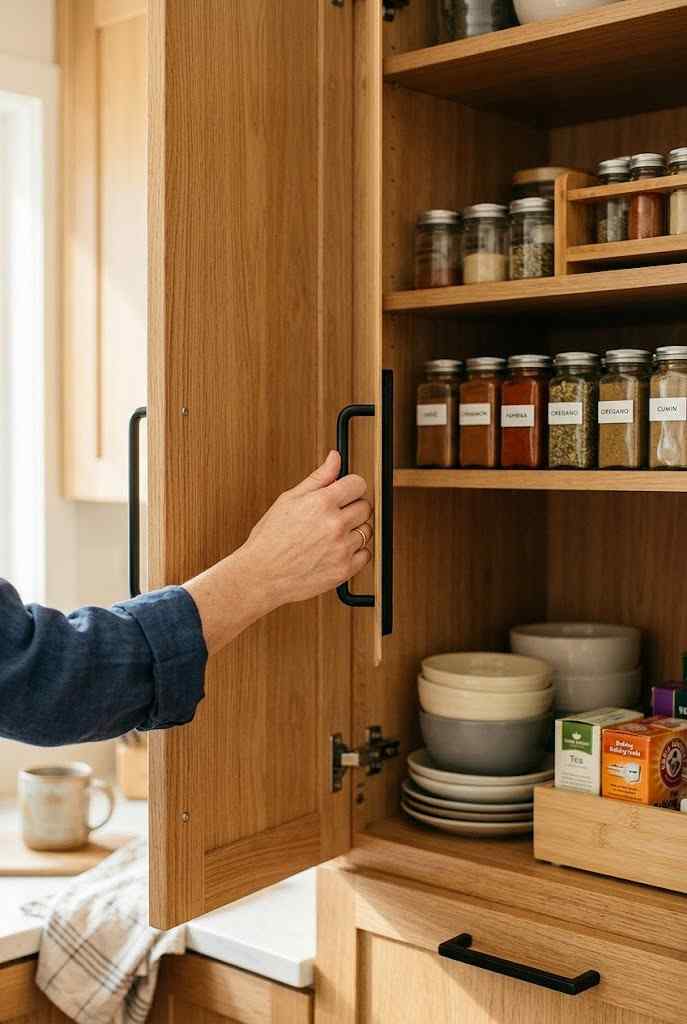
Here’s something most people don’t think about: how well your cabinets work directly affects how much you enjoy cooking. Bad cabinets mean drawer fronts that stick, doors that won’t close properly, shelves that sag under weight, and that slow-burn frustration every single time you reach for a mixing bowl. Good cabinets operate smoothly, organize intuitively, and handle daily use without complaint.
The cabinet system you choose influences everything downstream. It sets the visual tone for your whole kitchen, determines how functional your workspace becomes, and even impacts your resale value down the road. That’s not hyperbole kitchen updates drive home value more than almost any other renovation, and cabinets are the biggest part of that equation.
Think about your morning routine. How many times do you open and close your kitchen cabinets before noon? Multiply that by 365 days, then by however many years you’ll own your home. You’re looking at thousands of interactions. Shouldn’t those interactions feel effortless?
Beyond the day-to-day frustration factor, there’s also the emotional weight. Your kitchen is where memories happen holiday cooking marathons, late-night snack runs, helping your kids bake their first batch of cookies. Cabinets that work smoothly become invisible; you stop noticing them and just enjoy the space. Cabinets that malfunction? They’re impossible to ignore. You notice them every single time. That mental friction might sound small, but multiply it across years, and it affects how much you actually use your kitchen. People with functioning, organized cabinets cook more, entertain more, and spend more time in their kitchens because it doesn’t feel like a hassle. That’s the real value proposition removing barriers between you and the space.
Material Options: Let’s Decode What You’re Actually Buying
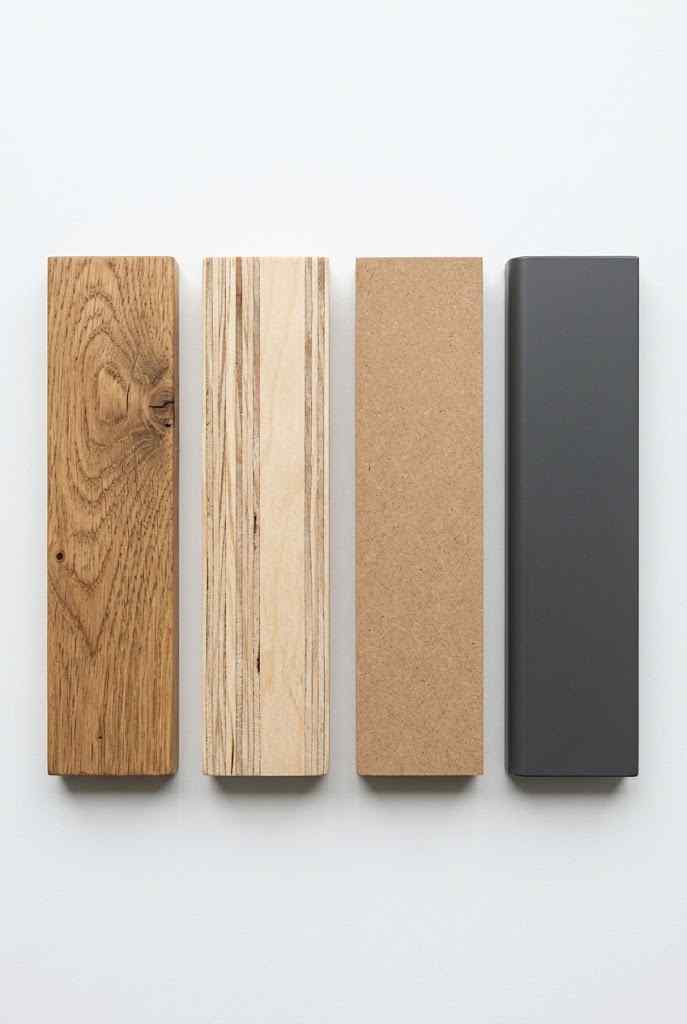
Cabinet materials aren’t all created equal, and the marketing language out there is deliberately confusing. Let me break down what actually matters.
Solid wood is the premium player here. Real hardwoods like oak, maple, cherry, and walnut age beautifully, handle moisture better than alternatives, and can be refinished if they get dinged up. Yeah, they cost more upfront, but they’re an investment. IMO, if you’re staying in your home for 10+ years, solid wood is worth the premium.
Plywood construction sits in the middle more affordable than solid wood, more durable than particle board, and honest enough about what it is. Quality plywood cabinets hold up surprisingly well, especially if you maintain them properly.
Particle board and MDF are budget options that work fine if you’re not expecting them to survive a decade of heavy use. They’re susceptible to swelling if they get wet, and they’re harder to repair than wood. That doesn’t mean avoid them entirely just know what you’re signing up for.
Thermofoil (vinyl wrapped MDF) offers a sleek modern look and costs less than real wood. They clean up easily, but they can peel or bubble if exposed to heat or humidity over time.
The finish matters too. Lacquer gives that smooth, glossy look but scratches more easily. Stain and polyurethane shows off wood grain beautifully but requires more maintenance. Paint is forgiving and comes in endless colors, but it can chip if cabinets take a beating.
One thing nobody talks about is the environmental factor. Solid wood cabinets last 25+ years, which means you’re not replacing them and sending old cabinets to a landfill every decade. Particle board alternatives typically need replacement sooner, which creates more waste overall. If sustainability matters to you, real wood actually wins the environmental argument, even though it costs more upfront. Also worth knowing: solid wood cabinets can handle minor water exposure better than composite materials. If you have kids, pets, or just live in a humid climate, solid wood’s resistance to swelling gives you real peace of mind. That said, combo approaches work too solid wood frames with plywood box construction gives you durability where it matters most without the full luxury price tag.
Design Choices: Beyond “What Color Do You Like?”
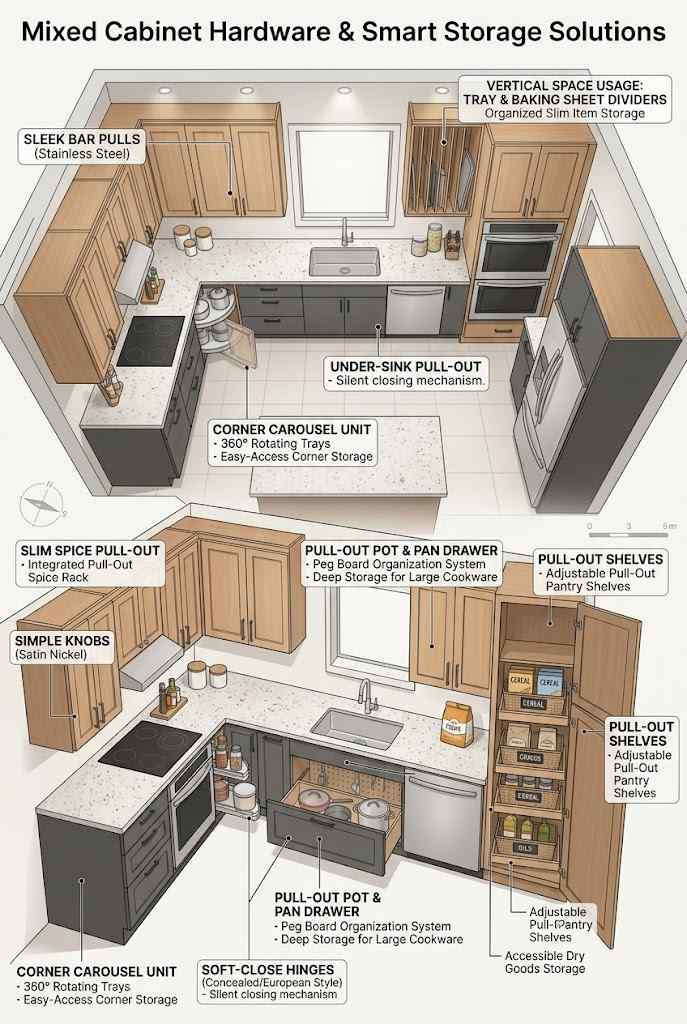
Cabinet design goes deeper than paint color (though that’s important too). The real decisions center on layout, hardware, and how spaces actually flow.
Are you maximizing vertical space? Most kitchen cabinets waste the zone between top cabinets and counters. Pull-down shelves, corner carousels, and deep drawers solve this without requiring a custom layout. I replaced my middle cabinet shelf with a pull-out system, and suddenly that deep cabinet space became actually usable instead of a black hole for forgotten mixing bowls.
Hardware isn’t decorative fluff it’s infrastructure. Heavy-duty hinges and soft-close mechanisms aren’t budget items they’re durability investments. Cheap hinges fail quietly, then you’re dealing with sagging doors. Quality hardware costs $500–$1,000 more on a full kitchen, but it prevents thousand-dollar problems down the line.
Consider your family’s needs when planning cabinet depth and height. Standard depth is 24 inches, but shallow cabinets exist (12–18 inches) if you have limited kitchen space. Height varies too some people want tall cabinets floor-to-ceiling, while others prefer lower uppers to maintain sightlines. There’s no universal right answer, only what works for your kitchen.
Cabinet color psychology is real, even if it sounds pretentious. Darker cabinets (black, dark gray, deep espresso) make kitchens feel sophisticated and modern, but they show dust and fingerprints constantly. White and light cabinets feel bright and spacious but can look clinical without the right accents. Mid-tones (warm gray, soft taupe, natural wood) hit the sweet spot they’re forgiving, timeless, and work with most design directions. Here’s a practical tip: whatever color you choose, commit to it for at least 5 years in your mind. Cabinet trends shift faster than fashion, but your actual cabinets stick around. Don’t pick trendy two-tone cabinets (top one color, base another) if you’re the type who gets bored with design. Stick with designs that make you feel calm, not designs that make you feel like you’re following a Pinterest board.
The Organization Factor: Making Cabinets Actually Functional
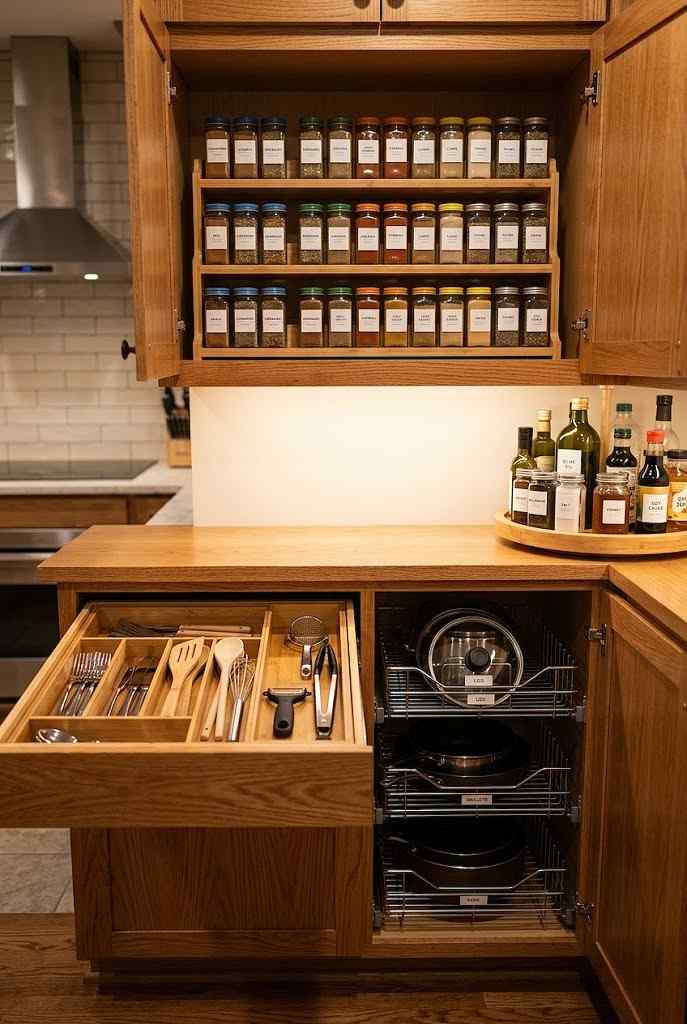
This is where the rubber meets the road. Beautiful cabinets that don’t organize well are just expensive decorations.
Interior organization systems determine whether your cabinets serve you or frustrate you. Dividers for baking sheets, tiered shelves for spices, pull-out drawers instead of deep cabinets these features transform cabinets from “where stuff goes” to “where everything lives logically.” Some of these are built-in at cabinet time; others you can retrofit later, though it’s easier to plan ahead.
Corner cabinets are historically awkward. That rotating carousel thing? Yeah, it actually works. Lazy Susans sound gimmicky, but they solve a real problem corner space that sits unused because you can’t reach the back. If you have corner cabinets, address them during design.
Drawer vs. cabinet trade-off is worth considering. Drawers use space more efficiently, hide clutter better, and keep everything visible at a glance. But they cost more and take up horizontal counter space. Pick your spots deep drawers for utensils and linens, traditional cabinets for bulk items and small appliances.
The psychological win of organized cabinets is underrated. When you open a cabinet and everything’s in its place, it reduces decision fatigue. You’re not hunting for the measuring cups or wondering where the container lids went. Studies on decision fatigue show that reducing trivial decisions improves overall wellbeing and focus. That sounds dramatic for kitchen storage, but think about it you make hundreds of small decisions daily. Cutting out even a few by having obvious organization systems gives you mental bandwidth for things that actually matter. Accessibility matters too. Storing items at eye level and arm’s reach means you use them more often
Deep cabinets that require crouching or reaching way overhead become dead zones where stuff goes to be forgotten. Design your cabinet interiors like you design your schedule prioritize what you use regularly, make it accessible, and let the occasional items live in less convenient spots.
Durability and Maintenance: Why Cheap Cabinets Aren’t Cheap
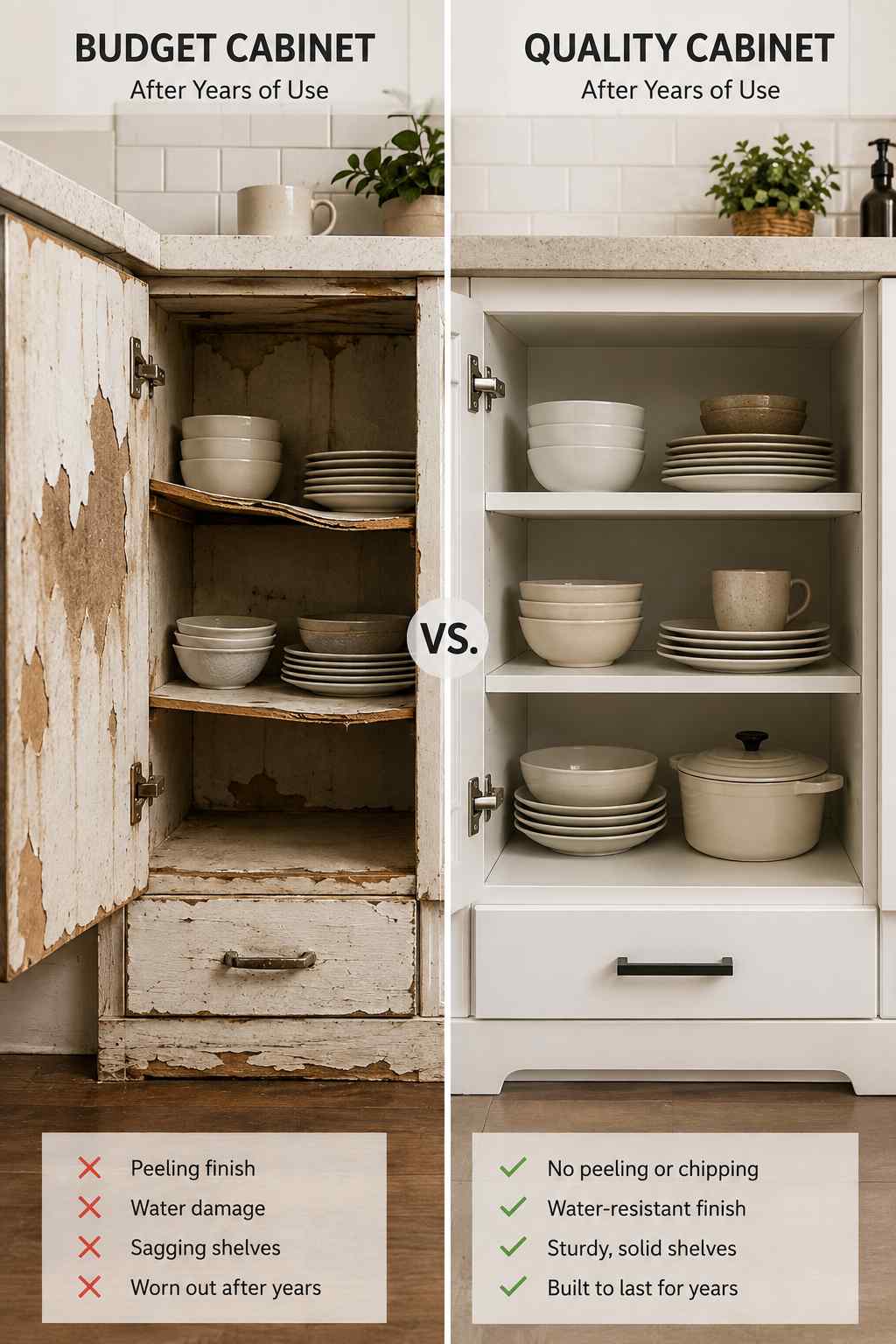
The real cost of cabinets isn’t the initial purchase price it’s the years of trouble-free performance. Budget cabinets might look fine for 5 years, then start degrading rapidly. You’re repainting, replacing hinges, repairing water damage, dealing with sagging shelves. Suddenly that $3,000 you “saved” becomes $5,000 in repairs and frustration.
Quality cabinets demand less babying. You’re not sweating when your kid spills juice near a lower cabinet. Water damage isn’t a panic situation. Doors close without slamming for years without issue. That’s worth something.
Maintenance requirements vary by finish. Painted cabinets handle quick wipe-downs easily but need occasional touch-ups if they scratch. Stained wood develops character over time but requires occasional oiling. Vinyl cabinets resist stains but can’t be refinished if they’re damaged, you’re replacing sections. Know what you’re signing up for before committing to a finish.
Here’s a durability detail that catches people off guard cabinet construction methods matter more than most people realize. Dovetail joinery (where drawer sides interlock) lasts longer and handles weight better than simple butt joints. Face frames vs. frameless cabinets affects both aesthetics and durability face frame cabinets have extra wood for reinforcement, while frameless (European-style) maximizes interior space but requires thicker materials to stay rigid. Cabinet backs deserve attention too.
Cheap cabinets use thin cardboard or single-layer plywood backing; quality cabinets use solid plywood that prevents racking (when the cabinet loses its square shape over time). When you’re comparing quotes, ask about these specifics. You’ll feel like you’re speaking a different language at first, but understanding these details prevents buyer’s remorse. The cabinet’s skeleton is what determines whether it’ll age gracefully or fall apart in seven years.
Budget Reality: Where Your Money Actually Goes
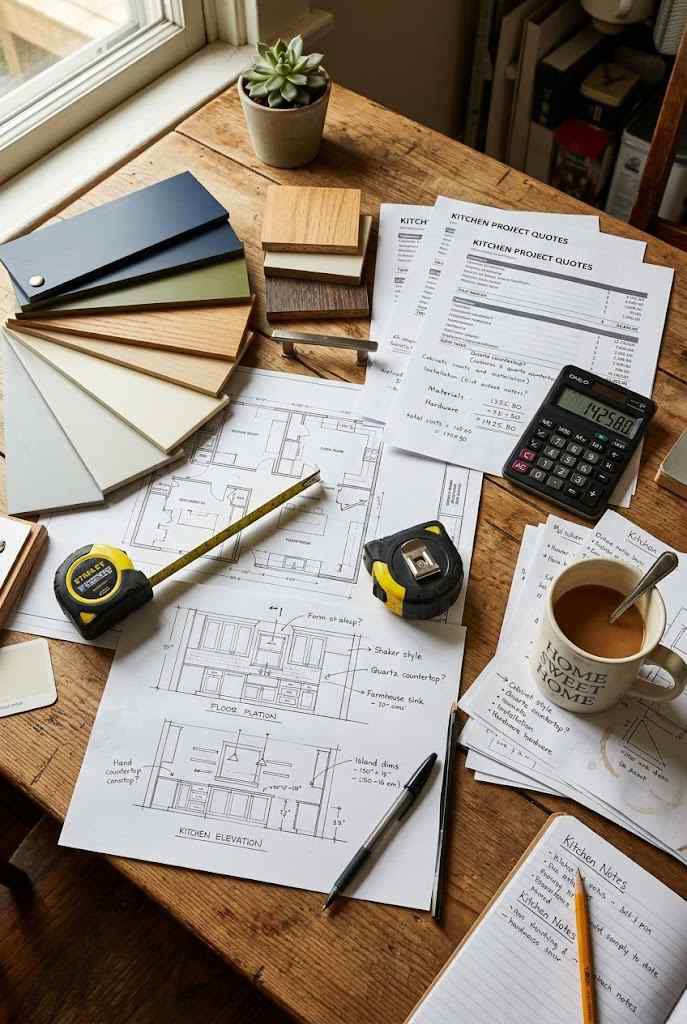
Cabinet pricing doesn’t follow a simple formula it’s determined by material, construction method, finish quality, hardware, and customization. Stock cabinets run $5,000–$15,000 for a full kitchen. Semi-custom fills the $15,000–$30,000 range. Fully custom cabinets start at $30,000 and climb from there.
Here’s what actually influences price:
● Wood grade: Hardwoods cost more than MDF, obviously
● Finish complexity: Hand-painted cabinets cost more than single-color lacquer
● Hardware quality: Soft-close hinges and high-end pulls add up fast
● Interior organization: Every pull-out shelf, divider, and custom solution adds cost
● Custom sizing: Making cabinets fit your weird kitchen dimensions costs more than standard sizes
The hidden value is resale. Houses with quality kitchens sell faster and for more money. A $25,000 cabinet investment often returns 60–80% of its value when you sell, whereas a $10,000 budget option might return 30–40%. That’s not true if you’re planning to flip the house in two years, but for homeowners staying put, the math changes.
Timing your cabinet purchase matters too. Kitchen cabinets go on sale strategically post-holiday (January-February) and end of summer (August-September) when showrooms are clearing inventory for new models. You’re not getting inferior products during sales; you’re getting last year’s perfectly good designs at discount. Semi-custom cabinets also offer a sweet spot if you’re budget-conscious. You get customization options (adjusted heights, interior systems, finish choices) without the 16-week lead time and astronomical costs of fully custom. Installation costs are often overlooked
A $20,000 cabinet order might cost $3,000-$5,000 more once you factor in professional installation, disposal of old cabinets, and any structural modifications your kitchen needs. Budget-savvy homeowners sometimes buy better cabinets and handle installation themselves or use contractors outside the showroom network to save labor costs.
FAQ’s
How do I know if my kitchen cabinets are worth refacing or if I should replace them entirely?
If the cabinet structure is solid but doors are damaged or finish is dated, refacing works. Replace if frames are warped, hinges fail repeatedly, or drawers don’t operate.
What’s the actual difference between soft-close and regular hinges, and is it worth the extra cost?
Soft-close hinges close gently without slamming, reduce wear over time, and prevent finger pinching. Worth the $500-$1000 extra investment for durability and safety.
Can I paint my existing kitchen cabinets instead of replacing them, and will it last?
Professional cabinet painting lasts 7-10 years with proper prep and quality paint. DIY painting fails faster. It’s cheaper than replacement but requires more maintenance than original finishes.
Which kitchen cabinet materials hold up best in humid climates or near water?
Solid hardwood and quality plywood resist moisture swelling better than particle board or MDF. Thermofoil handles humidity well but can bubble if exposed to direct heat or steam.
Are custom kitchen cabinets worth the investment compared to semi-custom or stock options?
Custom cabinets justify costs only if you have unusual kitchen dimensions, specific design visions, or plan to stay 15+ years. Semi-custom offers 80% of customization benefits at 50% of the price.
CONCLUSION
Your kitchen cabinets are either working silently in the background or actively annoying you every single day. There’s rarely an in-between :/ The choice between budget and quality options isn’t just aesthetic it’s functional. Pick quality where it matters (hinges, basic construction), be smart about where you can compromise (finish style, hardware bling), and invest enough that you’re not replacing these cabinets in five years.
Start by identifying your actual needs. Do you need maximum storage? Organization obsessed? Want cabinets that look stunning? Then choose materials and design that deliver on those priorities, not on vague ideas of what a “nice” kitchen should be. Your cabinets should work as hard as you do.