
spanish style kitchen
By Anna Grace | 17 feb 2026
How to Create a Warm, Timeless Space Spanish Style Kitchen That Actually Works
Walk into a Spanish kitchen, and you immediately feel something. Not the polished, clinical efficiency of Scandinavian minimalism or the sleek chrome of ultra-modern design but something warmer, grittier, more lived-in. Spanish kitchens don’t whisper; they tell stories. They’ve been hosting family dinners for centuries, and that heritage shows in every tile, every curve, every weathered edge. If you’re drawn to spaces that work as hard as they look beautiful, a Spanish style kitchen might be exactly what you’re missing.
The DNA of Spanish Kitchen Design
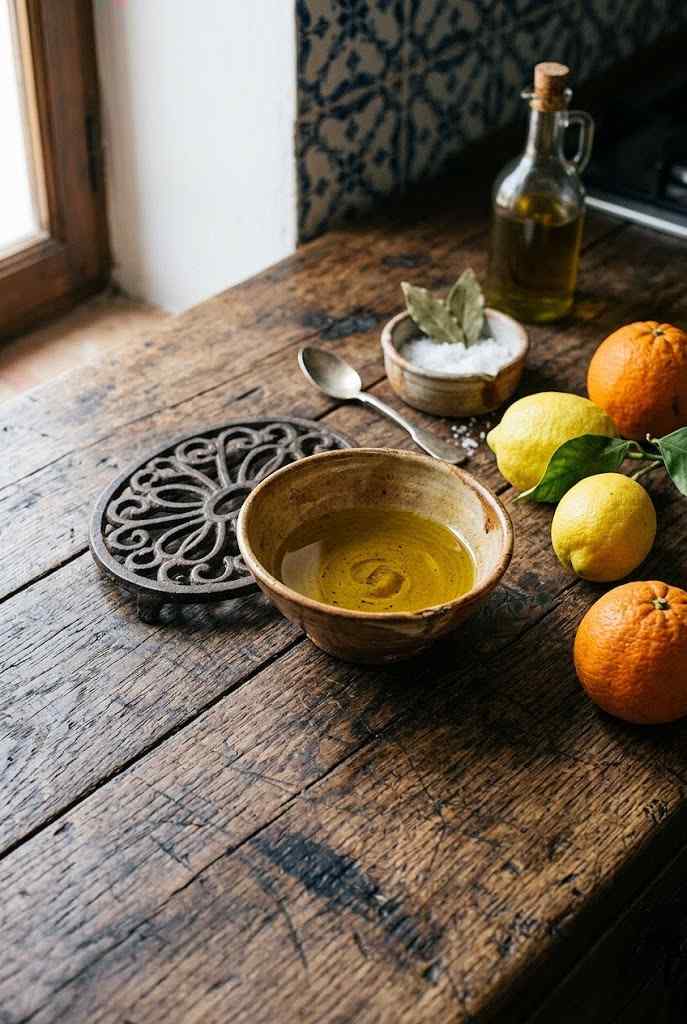
Spanish kitchens exist at the intersection of function and soul. They pull from centuries of Mediterranean living, Moorish influences, and regional traditions that treated the kitchen as the true heart of the home (not just an Instagram backdrop).
Here’s what separates a genuine Spanish kitchen from just slapping some terracotta pots on your shelves: it’s about purpose mixed with beauty. Every element from the heavy wooden beams to the hand-glazed tiles came from practical necessity first. Thick walls kept kitchens cool in scorching summers. Terracotta absorbed heat gradually, making cooking more forgiving. Dark wood countertops hid stains and wore like leather, improving with age rather than showing every scratch like a crime scene.
The aesthetic grew from that functionality, not the other way around. Wrought iron hardware, arched doorways, and decorative tile borders weren’t choices; they were what made sense with available materials and building techniques. The beauty happened naturally. Why does that matter? Because when you understand the why, you stop making the mistake of treating Spanish design as purely decorative. You’re building a kitchen that actually performs differently than other styles.
The relationship between Spanish kitchens and their environment runs deeper than aesthetics alone. In regions like Andalusia and Catalonia, kitchens weren’t separated from living spaces like they are in modern homes. They occupied the center of family life, which shaped every decision from ventilation to storage to how surfaces were finished. High ceilings developed naturally to manage cooking heat. Thick stone walls kept interiors cool during brutal summers and warm during mild winters, reducing the need for climate control before it existed.
This integration of kitchen and living space means Spanish design inherently encourages openness and visibility. You don’t hide behind cabinet doors or screens because the kitchen was never meant to be hidden. Cooking happened in front of people. Ingredients were visible. The process was transparent. That philosophy persists in modern Spanish kitchen design, even when we’re building in climates where insulation and separation might otherwise make sense.
Color, Texture, and Material Choices That Make It Work
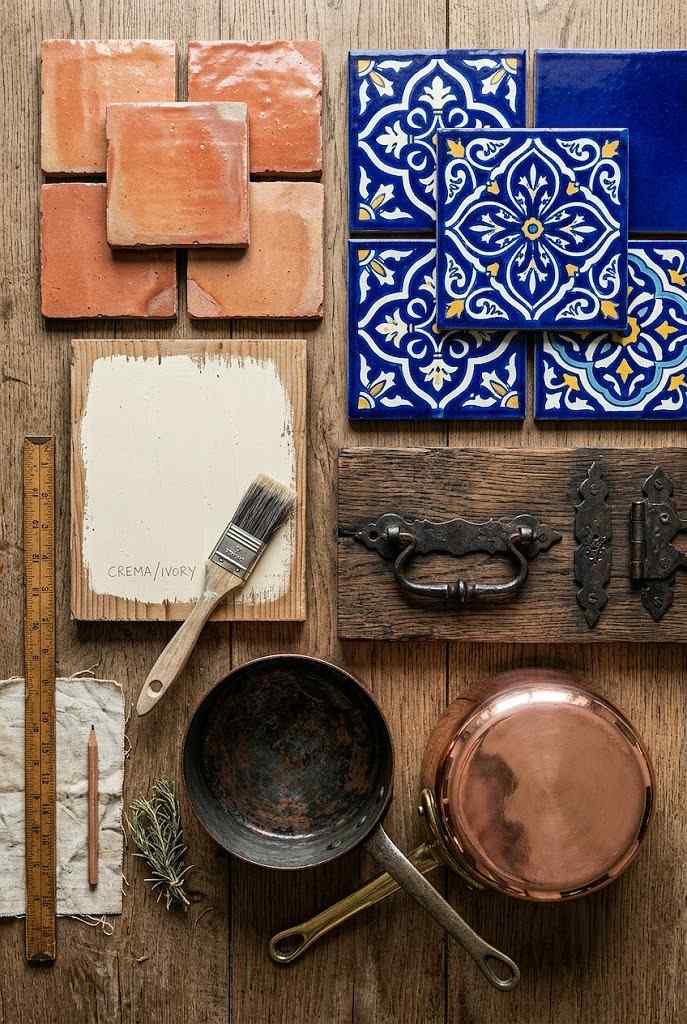
Let’s get specific about what you’re actually looking at. A Spanish style kitchen pulls from a pretty distinct palette, and the colors aren’t random they reflect the landscape and available pigments of Southern Spain and the Mediterranean coast.
Terracotta reigns here, whether in floor tiles, backsplash accents, or pottery. That burnt orange-red tone photographs beautifully and hides dirt like nobody’s business. Pair it with deep cream or ivory walls, and you’ve got a base that feels both warm and sophisticated.
For tiles specifically, look for hand-painted varieties or at least tiles that look hand-painted. The slight irregularities the uneven glaze, the variation in color from tile to tile make the space feel authentic. Machine-perfect tiles in a Spanish kitchen just look confused, IMO 🙂
Then add your accent colors. Deep blues (inspired by Moorish tilework), forest greens, and burnt sienna appear in smaller doses maybe an arched doorway trim, a tile border, or cabinet painting. The key: restraint. Spanish kitchens don’t scream; they suggest.
Wood brings warmth. You’ll see hand-hewn beams (or convincingly reclaimed-looking options), dark cabinetry in natural wood rather than stained, and chunky countertops in walnut or oak. This wood ages visibly, developing character and patina. If you refinish it to glossy perfection every five years, you’re working against the style.
Natural stone limestone, slate, or granite with an unpolished finish works better than polished versions. Copper and wrought iron hardware, aged and slightly oxidized, beats shiny brass or chrome every time.
Beyond the obvious terracotta and cream, the secondary colors in Spanish kitchens follow regional variations worth understanding. Coastal regions lean into blues and greens inspired by the Mediterranean, while inland areas favor deeper earth tones and muted ochres. Neither approach is “correct” they’re regional responses to available pigments and local tradition. If you’re drawing inspiration, consider what landscape you’re actually building in. A Spanish kitchen in Arizona can lean earthier than one in a cooler climate.
The texture game matters as much as color. Smooth, polished surfaces would feel sterile in a Spanish kitchen; rough, hand-finished surfaces create visual depth and tactile interest. A plastered wall should have subtle variation, not the dead-flat perfection of modern drywall. Tiles should have slight irregularities. Stone countertops should show natural veining. This isn’t laziness or poor craftsmanship it’s intentional authenticity that makes spaces feel organic rather than manufactured.
If you’re working with a limited budget, prioritize materials that gain character over time rather than ones that show wear immediately. Sealed wood ages beautifully. Unsealed stone develops patina. Wrought iron oxidizes into richer tones. Terracotta becomes darker and more grounded as years pass. These materials don’t require maintenance to look good; they require maintenance to look new which is usually the opposite of what you want. Budget for quality pieces that will outlast trends, and let them develop naturally.
Layout and Workflow: Function Before Form
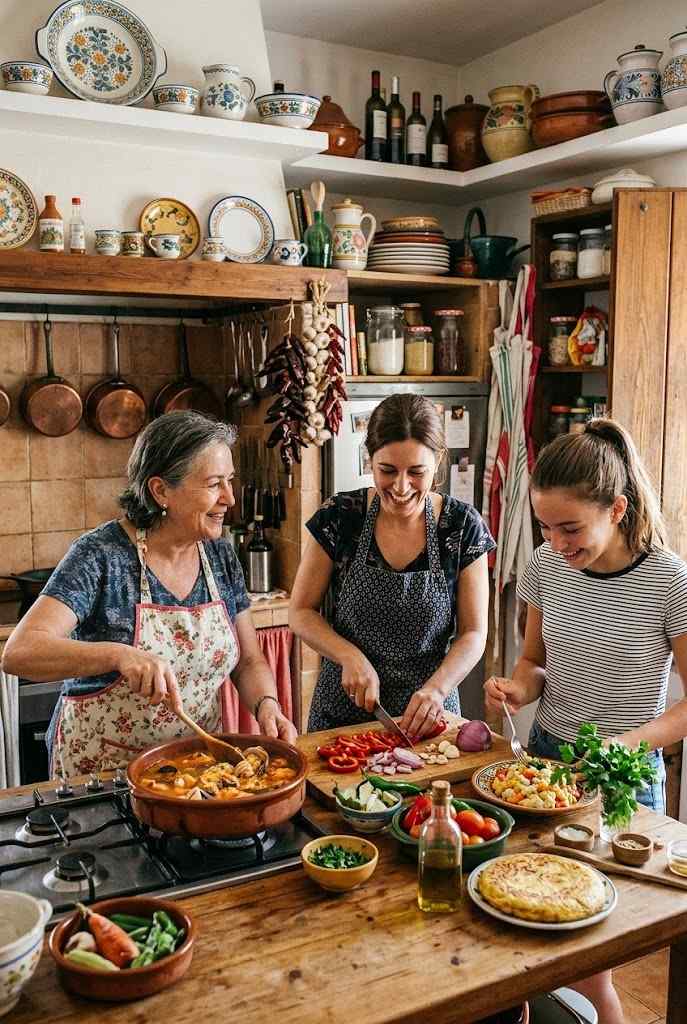
Here’s something people overlook: Spanish kitchens organize space differently. They typically operate around a central work zone rather than the strict “work triangle” modern kitchens obsess over. This creates more social, interactive cooking.
Your stove sits front-and-center, visible. The counters around it flow in a natural progression prep space, cooking space, plating space but not in a sterile, clinical way. The layout invites people to gather, watch, participate. My grandmother’s kitchen in Spain had maybe 200 square feet, but somehow five people could cook together without irritation. Compare that to cookie-cutter modern layouts where a second person in the kitchen feels like a collision.
Storage happens vertically more often than in sleek modern kitchens. You’ll see open shelving displaying beautiful dishware, pottery, and copper cookware. Does it gather dust? FYI, yes this is a trade-off. But it also makes your kitchen feel connected to the food and ritual of cooking, not hidden away like a utilitarian space.
Islands sometimes show up, but they’re different from the granite-topped monuments in contemporary kitchens. They’re narrower, often with prep space on one side and seating on the other. They’re social, not just functional storage with an extra stool.
The social aspect of Spanish kitchen design stems from practical history but applies perfectly to modern life. When kitchens were smaller and families larger, everything happened at once. Grandmothers prepped while mothers cooked while teenagers set the table. That simultaneity required layout planning but not the obsessive optimization of modern efficiency. Instead, it meant creating generous counter space and allowing people to move around each other without disruption.
Open shelving serves both practical and psychological purposes. Practically, it stores dishware and cookware where you need it, reducing steps and reaching time. Psychologically, it connects you to the tools of cooking. You see the bowl you’ll use, the plate you’ll serve on, the pan you’ll cook with. It makes the kitchen feel like an extension of you rather than a separate domain. The downside dust and visible clutter is real, but most cooks with open shelving say it’s a worthwhile trade.
Bringing Spanish Kitchen Style Home (Without the Time Machine)
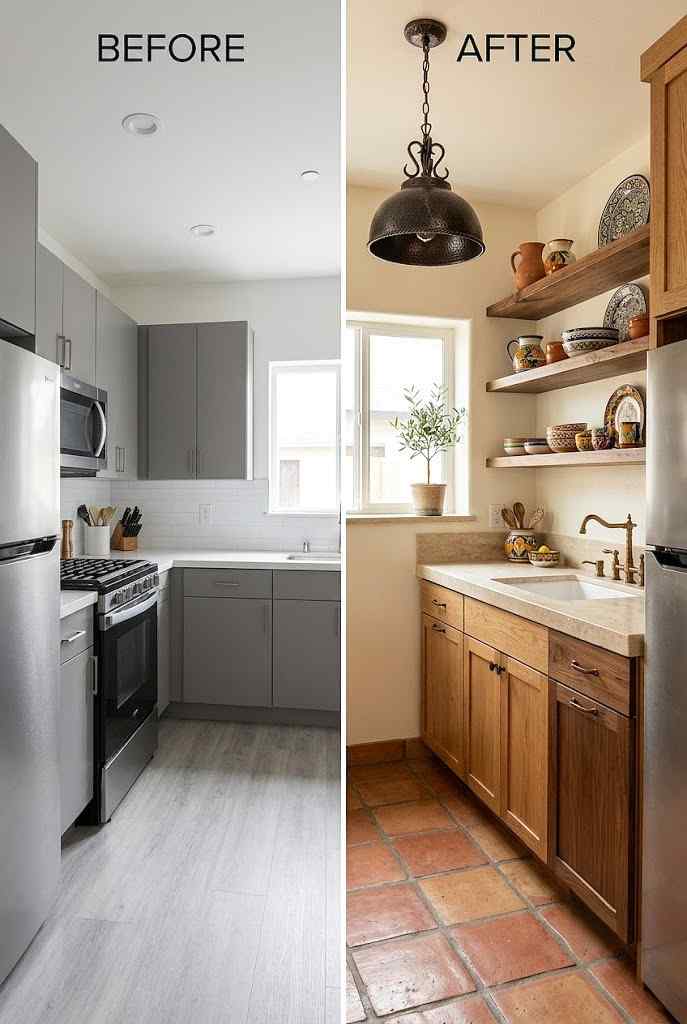
You don’t need to inherit a 400-year-old farmhouse to pull this off. The trick is committing to the style authentically rather than mixing it with three other aesthetics.
Start with fundamentals: flooring matters more than anything else. Invest in terracotta tiles (real, not ceramic imitations) or hand-glazed Spanish tiles if your budget allows. If true tile feels prohibitive, saltillo tile salvage, reclaimed options, or well-made reproductions beat modern ceramic tiles that look like a hotel bathroom.
Cabinets come next. You’re looking for solid wood, painted in warm earth tones or left natural and dark. Skip the flat-pack high-gloss approach entirely. If custom feels out of reach, unlacquered wood cabinets with updated hardware and hand-finished paint pull the style together cheaper than you’d think.
For countertops, wood or honed stone outlasts granite in Spanish kitchens. They develop patina and character rather than looking “new” forever. Backsplash is where you can play: hand-painted tiles in an arched alcove, a geometric pattern in two or three colors, or a simple border in terracotta.
Lighting changes the whole vibe. Heavy wrought iron fixtures with frosted or amber glass feel natural. Pendant lights over a counter something substantial, not delicate work better than recessed lighting.
Open shelving displaying beautiful dishware, copper cookware, and pottery is basically required. You’re not being decorative; you’re making everyday items that belong in a kitchen visible and accessible. Mexican pottery, Spanish ceramics, or even good craft pieces from anywhere work as long as they look handmade and honest.
The sourcing challenge is real because authentic materials cost more than modern alternatives. Genuine Spanish tiles run $8–15 per tile, whereas machine-made ceramic runs $1–3. Hand-thrown pottery costs more than mass-produced imports. Solid wood cabinetry beats plywood with laminate. Budget reality means most people pick their battles splurge on what’s most visible (flooring, counters, backsplash) and compromise elsewhere.
Reclaimed and salvaged materials offer a path forward. Salvage yards stock terracotta tiles from demolished buildings, aged wood beams, and vintage hardware. These pieces carry actual history and patina that reproduction materials fake. They cost less than new authentic imports and look more genuine. The trade-off is inconsistency you can’t match everything perfectly, but that imperfection is actually what makes Spanish kitchens feel real.
Lighting deserves a dedicated budget because modern kitchens often rely on recessed ceiling lights that create a flat, clinical feel. Spanish kitchens benefit from layered lighting: ambient fixtures (wrought iron chandeliers or sconces) for general illumination, task lighting over prep areas (pendant lights, not fluorescent under-cabinet strips), and accent lighting that highlights textured walls or displayed items. This approach takes planning but transforms the entire atmosphere.
The Real Appeal (Beyond Looking Good)
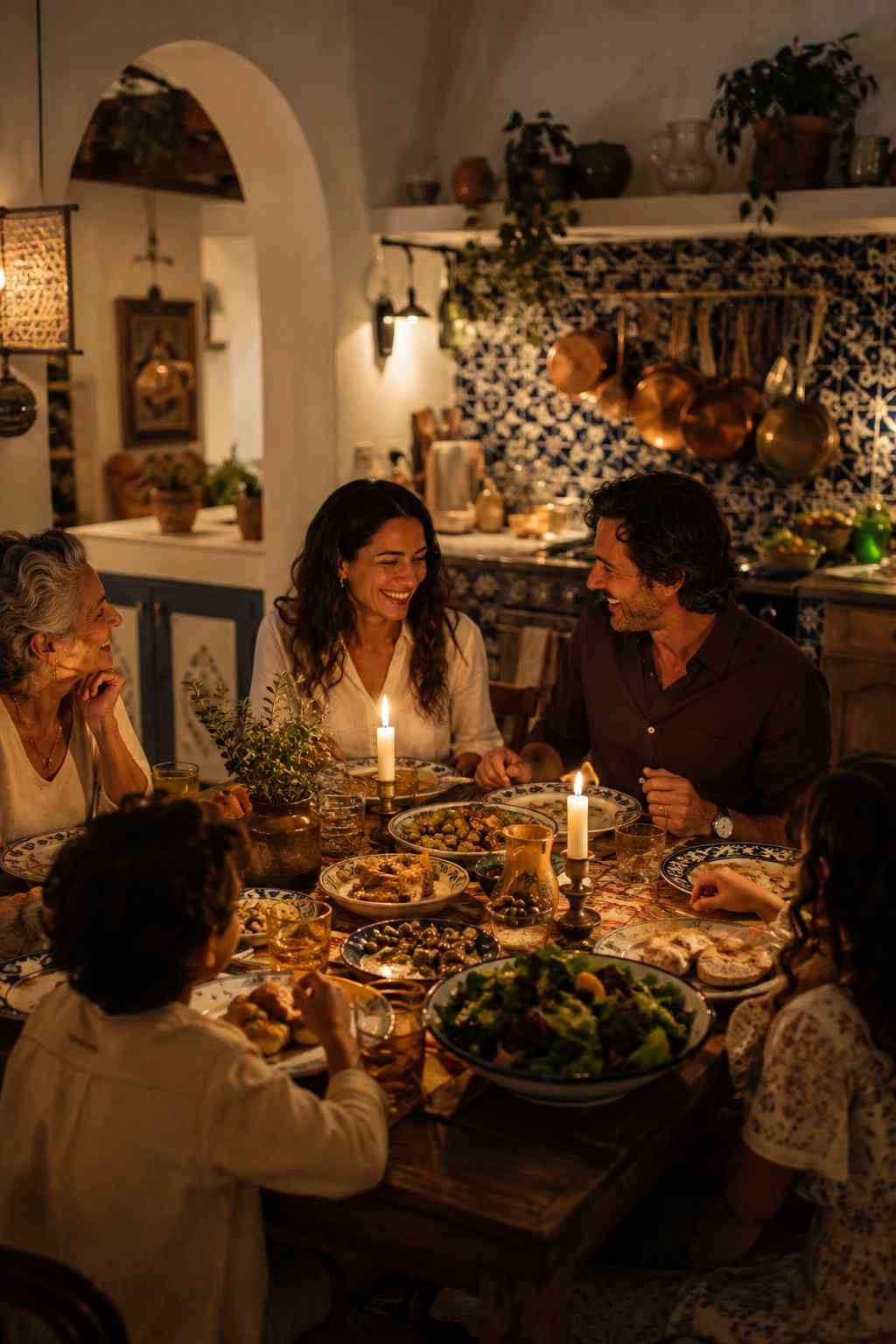
If I’m being honest, the reason Spanish style kitchens endure is that they encourage a different relationship with cooking and eating. They’re not optimized for meal prep like a modern kitchen or showcase-ready like a luxury design magazine spread.
They’re built for rituals. Chopping vegetables at a wooden counter that’s been scarred by decades of knife marks. Stirring a paella on a gas stove while talking. Setting a heavy ceramic plate on a table and actually sitting down. These kitchens resist the grab-and-go, microwave-and-hustle culture that modern design sometimes enables.
That said, there’s nothing wrong with wanting a beautiful, functional Spanish-inspired kitchen that also has modern conveniences. Good ventilation, quality appliances, proper lighting these aren’t betrayals of the style; they’re upgrades that let the style shine without pretense.
Maintenance and aging deserve honest discussion. Spanish kitchens aren’t low-maintenance; they’re different-maintenance. Wood counters need occasional oiling and will develop stains that become part of their character. Terracotta tiles stain if not sealed properly. Open shelves collect dust. Copper oxidizes unless you polish it. But this maintenance is also engagement with your space. You’re caring for it, noticing it, living with it actively rather than just passing through.
The resale value question matters to some people. Spanish kitchens polarize some buyers adore them, others see them as dated or requiring renovation. If resale potential drives your kitchen decision, understand that bold design choices always carry risk. But if you’re building a space for yourself and your family, resale becomes less relevant than the kitchen’s actual impact on your daily life. A space that makes you want to cook, gather, and linger has value money doesn’t capture.
FAQ’s
Can I combine Spanish kitchen design with modern appliances without it looking out of place?
Absolutely. Hide stainless steel behind cabinet panels, choose appliances in cream or black finishes, or select vintage-style.
What’s the most budget-friendly way to start a Spanish style kitchen renovation?
Begin with flooring..authentic terracotta tiles create instant Spanish kitchen character, paint walls in warm cream and update cabinet iron hardware.
Do Spanish kitchens work in small spaces, or do they require a large room?
Spanish kitchens actually thrive in smaller spaces. vertical storage, open shelving, and social zones over sprawling layouts, making them ideal for compact kitchens.
How do I prevent open shelving from looking cluttered in a Spanish kitchen?
Display only beautiful, functional items..hand-thrown pottery, quality dishware, and copper cookware
Is terracotta flooring practical for Spanish kitchens, or will it stain easily?
Sealed terracotta resists staining well. Unsealed tile stains but develops character and patina over time. Choose sealing based on whether you prefer pristine maintenance or lived-in beauty.
CONCLUSION
A Spanish style kitchen is the opposite of trendy. It’s built on principles that worked 200 years ago and still work now: natural materials that age well, warm colors that feel inviting, layout that encourages gathering, and honest design that doesn’t apologize for its practicality.
You’re not chasing an aesthetic; you’re adapting a proven system that makes cooking feel less like a chore and more like the center of your home. That matters more than having the perfect Instagram-worthy kitchen that you’re afraid to actually cook in. Start with what speaks to you terracotta, wood, or that specific shade of blue you can’t shake and build from there. Your kitchen will thank you.