
boho bathroom ideas
By Anna Grace | 4 May 2026
Transform Your Bathroom Into a Boho Sanctuary
Your bathroom doesn’t have to feel like a clinical spa-resort reject or a showroom nobody lives in. I realized this a few years ago when I visited a friend’s place and her bathroom genuinely made me want to linger not because it was Instagram-perfect, but because it felt lived in and warm. That’s the boho bathroom sweet spot, and honestly, it’s way easier to pull off than you’d think.
The boho aesthetic short for Bohemian thrives on mixing cultures, eras, and natural textures in a way that shouldn’t work but absolutely does. Applied to your bathroom, it means ditching the sterile white subway tiles and beige paint in favor of earthy tones, vintage finds, and materials that tell a story. The key is balance: you’re going for “curated traveler” vibes, not “I bought everything at a market sale.”
What draws people to boho bathrooms right now is actually pretty straightforward: we’re all exhausted from overly designed, sterile spaces that feel like they could belong to anyone. A boho bathroom flips that script. It says your taste matters, your experiences shape your space, and imperfection is genuinely more beautiful than flawless execution.
The shift toward boho isn’t just aesthetic it’s psychological. When your bathroom reflects your personality rather than a designer’s template, you actually use the space differently. You linger. You take longer baths. You notice the details. That’s the real magic, and it costs nothing extra to achieve. It just requires paying attention to what makes you feel good rather than chasing trends.
Understanding Boho: It’s More Than Macrame
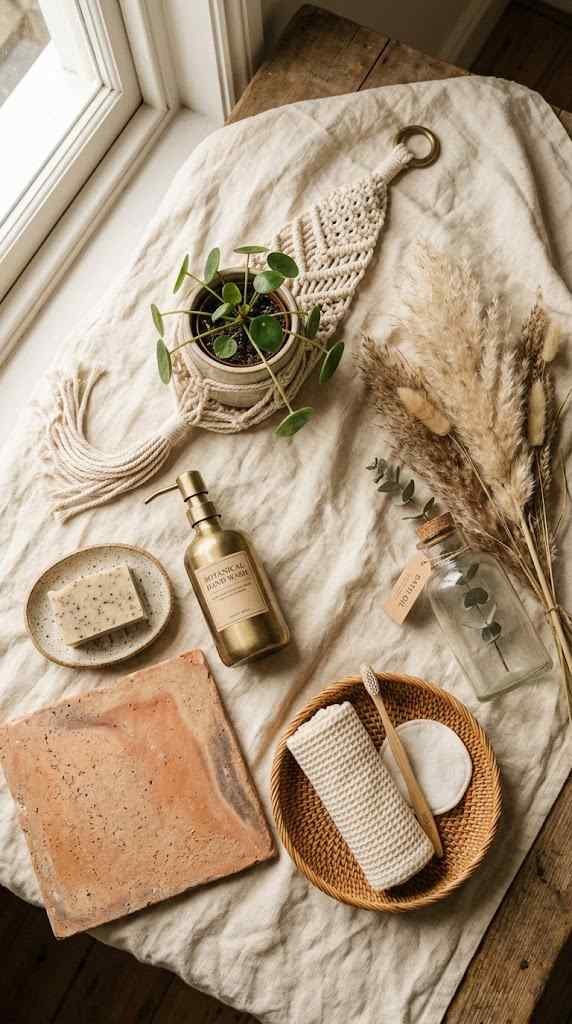
Boho bathroom design leans heavily on natural materials, warm color schemes, and a relaxed attitude toward perfection. Unlike minimalism or modern design, boho encourages layering textures on top of textures, patterns mixing (sometimes even clashing), and a general sense that your space evolved over time rather than arriving fully formed from a design catalog.
The core of boho is rejecting rigid rules. You’re not matching everything perfectly. In fact, a little mismatched energy is kind of the whole point. Your mirror frame doesn’t need to coordinate with your towel bar in some corporate-approved way. They just need to coexist peacefully and make you smile when you see them.
Why this matters for bathrooms specifically: this room gets overlooked when people think about design. Bedrooms and living rooms hog all the attention, but your bathroom is where you start and end your day. Shouldn’t it feel like somewhere you want to be? 🙂
The boho philosophy actually traces back to the 1960s and ’70s when artists and travelers rejected materialistic culture and embraced global influences, handmade goods, and natural living. When you’re building a boho bathroom today, you’re tapping into that same spirit of intentionality choosing pieces that have meaning, telling stories through your design choices, and celebrating imperfection as authenticity.
This matters for bathrooms because the history of bathroom design has been all about sleekness and uniformity. Boho invites you to do something radically different: make it a reflection of who you are. Your bathroom becomes a small gallery of your influences, travels, and values. Maybe you’ve spent time in Morocco, so you bring in zellige tile patterns. Perhaps you love Japanese simplicity mixed with bohemian warmth that’s valid too. Boho has no gatekeepers.
One more thing: boho doesn’t mean you ignore function. Your bathroom still needs to work beautifully. The difference is you’re solving practical problems (storage, lighting, water resistance) in ways that feel natural and organic rather than utilitarian. A woven basket isn’t just beautiful it actually stores your skincare. A wooden shelf doesn’t just look warm it genuinely holds your towels.
The Color Palette That Works
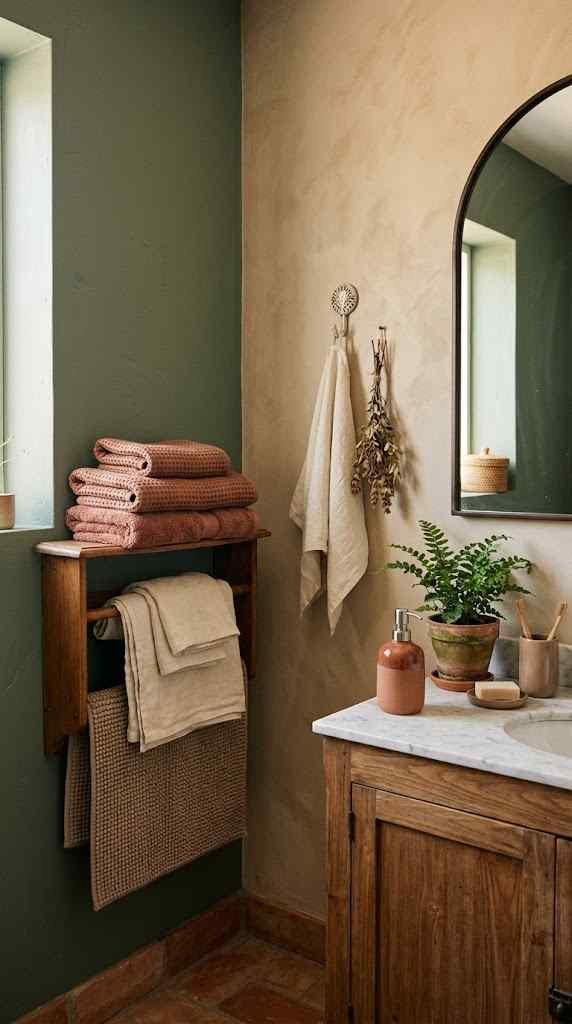
Forget the typical bathroom whites and pale grays. Boho bathrooms pull from earthy, warm tones: terracotta, ochre, sage green, warm taupe, dusty rust, and soft cream. These colors feel grounding (literally they come from earth pigments) and create an atmosphere that calms rather than startles you first thing in the morning.
Here’s the thing about choosing your base color: pick one that makes you feel something when you walk in. Don’t just choose what you think “looks boho.” If warm terracotta walls make you feel like you’re in a Moroccan riad, that matters more than any design rule I could tell you.
Walls don’t have to be solid, either. Consider a textured finish, a subtle geometric pattern, or even a gradient that shifts from one earthy tone to another. The rougher, less polished it feels, the more authentically boho it reads.
Beyond your main wall color, think about accent tones that layer the warmth. Deep forest green paired with burnt orange creates drama without feeling chaotic. Soft sage with cream and touches of clay feels peaceful. Warm beige paired with terracotta and dusty rose gives off subtle sophistication. The key is choosing colors that exist together in nature think desert landscapes, forest floors, sunset skies.
Your trim, if visible, doesn’t need to be bright white. Consider painting it in a warmer cream, soft taupe, or even a muted version of your wall color for a cohesive, less clinical look. If you’re renting or hesitant about commitment, removable wallpaper in earthy tones or subtle patterns gives you the color impact without permanent changes.
Lighting fundamentally changes how your colors read, so don’t finalize your palette under harsh overhead fluorescents. Visit the space at different times of day and with different light temperatures. Morning natural light might reveal totally different undertones than evening warm bulbs. This small step prevents you from choosing a color you hate once the light changes.
Textures and Materials That Make the Space Breathe
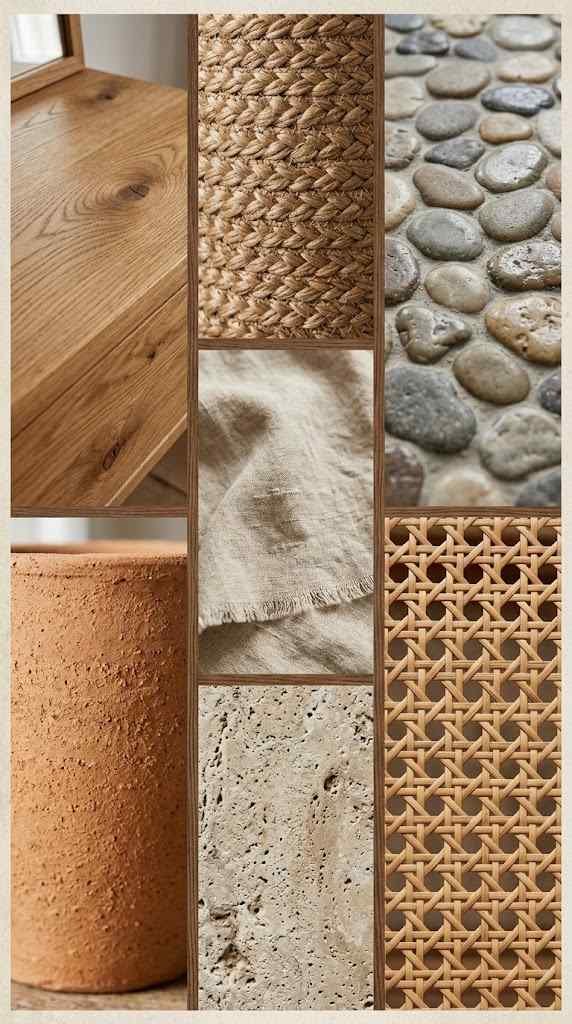
This is where boho bathrooms actually come alive. You’re layering materials that have character: natural wood, woven fibers, terracotta, rattan, jute, and stone. Each one brings its own warmth to the space.
Think about these textural elements in practical bathroom terms:
● Wooden shelving or vanities ground the space and add warmth (doesn’t have to be expensive reclaimed or vintage wood hits different than new particle board)
● Woven storage baskets in jute or seagrass keep clutter hidden while adding visual interest
● Natural stone, pebble tiles, or textured tiles on the floor or in a shower accent wall bring earthy, organic vibes
● Linen or cotton textiles: towels, a small runner, even a tapestry soften hard bathroom surfaces
● Rattan mirrors or light fixtures add that organic, handcrafted feel without trying too hard
The rule here is simple: mix things that exist in nature. Wood, woven materials, stone, clay, cotton. These materials age beautifully and actually get better looking over time unlike plastic or ultra-glossy finishes that just look worn down.
Sourcing these materials doesn’t require deep pockets or specialized knowledge. Local salvage yards often carry vintage wood, old tiles, and reclaimed materials at fraction of retail prices. Thrift stores, estate sales, and online marketplaces are absolutely loaded with vintage textiles, mirrors, and accessories that check every boho box.
When choosing wood specifically, reclaimed or gently aged wood beats pristine new wood every time in boho design. The patina, slight scratches, and natural variations tell a story. If you’re buying new, opt for unsealed or lightly finished wood that will develop character over time. Avoid anything plastic-laminated or overly treated it betrays the whole aesthetic.
For wet areas (shower walls, floors), you have options that blend function with style. Handmade-look tiles in cream, terracotta, or soft blue work beautifully. Mosaic or zellige tiles add visual interest without overdoing it. Natural stone like slate or travertine feels grounded and actually gets better looking as it weathers. Whatever you choose, mixed grout colors (rather than stark white or dark black) keep things soft and cohesive.
Storage materials matter just as much as visible ones. Woven baskets in jute, seagrass, or rattan hide less-beautiful necessities (cleaning supplies, medications) while contributing to the overall warmth. These materials also age gorgeously they don’t look worn out, they look lived with.
Dressing It Up With Accessories and Plants
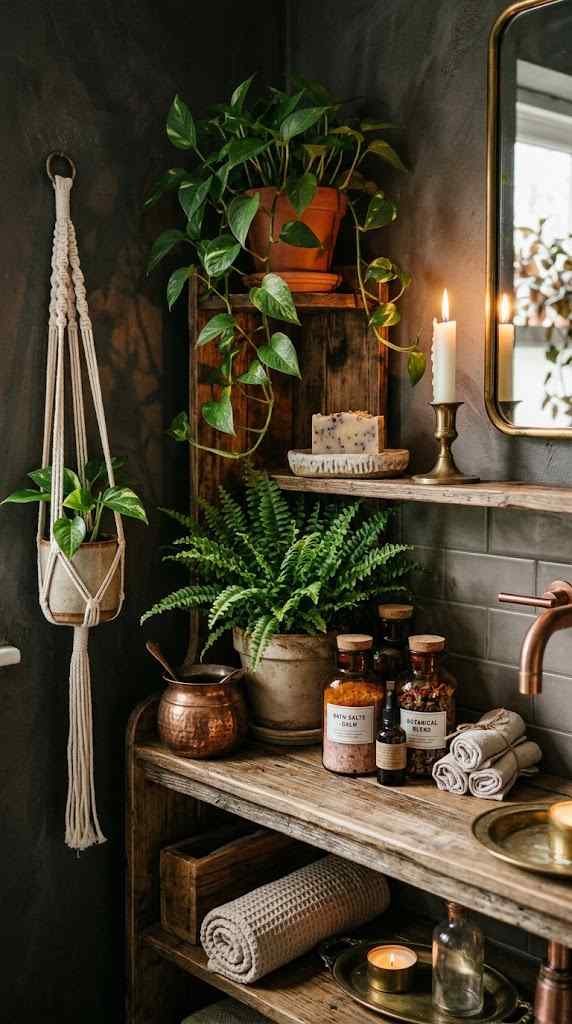
Okay, so your bones are in place. Now comes the part that makes people walk in and go, “Whoa, I want to stay in your bathroom.”
Plants genuinely transform a bathroom, IMO. The humidity is actually ideal for most tropical plants think pothos, ferns, or snake plants perched on shelves or hung from simple brass or leather-wrapped hooks. You don’t need a jungle, just 2-3 strategic plants that make the space feel alive.
● Vintage or vintage-looking accessories matter here too. Hunt for:
● Brass or copper soap dispensers and toothbrush holders (flea markets are goldmines)
● Ceramic or clay soap dishes handmade-looking, with slight imperfections
● Vintage glass bottles for cotton balls or bath salts
● A simple wooden ladder leaning against the wall, draped with soft towels
● Art prints or small textiles hung at different heights
Lighting deserves its own mention because it changes everything. Ditch harsh overhead lights if you can. Instead, aim for warm pendant lights with natural materials (wood, brass, woven shades), or string some ambient lighting. Candles in glass holders or terracotta holders also do heavy lifting here.
For plant selection, bathroom humidity is actually your secret weapon. Humidity-loving plants thrive where other rooms’ plants would struggle. Pothos (nearly impossible to kill), Boston ferns, prayer plants, and philodendrons all absolutely flourish in bathrooms. Low-light bathrooms? Aspidistra and snake plants handle dim corners beautifully. The rule is simple: pick plants you won’t stress about killing, then let them thrive in their ideal environment.
When arranging accessories, create clusters rather than spreading things evenly across surfaces. Three items grouped together create visual interest and intentionality; scattered individual pieces look accidental. Vary heights by using small shelves, hanging elements, or tiered surfaces. This prevents everything from reading as flat or one-dimensional.
Color your accessories thoughtfully they shouldn’t clash with your wall color or other materials, but they also don’t need to match perfectly. A brass soap dispenser plays beautifully against terracotta; copper catches warm light differently than brass; ceramic adds softness next to smooth glass. Trust yourself here. If it makes you happy when you see it, it works.
Textiles in a boho bathroom do heavy lifting beyond bathrobes and hand towels. A small macramé wall hanging, woven tapestry, or vintage textile hung horizontally or at an angle adds dimension. Linen or cotton towels in cream, rust, or natural undyed tones feel luxe without screaming for attention. These fabrics also age beautifully they get softer and more textured with washing.
Making Boho Work in Small Bathrooms
Not everyone has a sprawling master bath most of us are working with something smaller. The good news? Boho actually works better in tight spaces because it thrives on intentionality rather than quantity.
In a small boho bathroom, less is more, but what you do include matters deeply. Choose one or two statement pieces—maybe a stunning vintage mirror or patterned floor tiles and let those anchor the space. Keep the walls relatively clear and use vertical storage (wall-mounted shelves, hooks) to free up floor space.
A small boho bathroom doesn’t feel cramped if you focus on vertical elements and natural light. A single large plant in a corner, warm wooden shelving, and a smaller collection of beautiful, meaningful items work harder than a cluttered abundance.
Vertical thinking is your best friend in compact spaces. Install floating shelves from floor near to ceiling, use tall narrow plant stands, hang mirrors and art at various heights. This draws the eye upward and creates the illusion of more space while maximizing actual storage and display area.
Mirrors amplify boho magic in small bathrooms because they reflect light and create depth. A large round mirror with a woven or wooden frame serves as both functional tool and statement piece. Position it opposite or adjacent to your light source to maximize brightness and openness. Bonus: large mirrors make the space feel genuinely bigger.
In small bathrooms, every item needs to justify its presence. This actually supports boho philosophy you’re selecting only pieces you genuinely love rather than filling space for its own sake. A small space with ten meaningful items feels infinitely more boho than a large space crammed with things you tolerate.
Storage solutions stay hidden in small bathrooms but work harder. Closed storage (medicine cabinet, closed shelving with curtains, baskets under sinks) keeps visual clutter at bay while maintaining that cohesive feel. Open shelving works only if what’s visible is intentionally arranged and genuinely beautiful.
DIY Touches vs. Buying Ready-Made
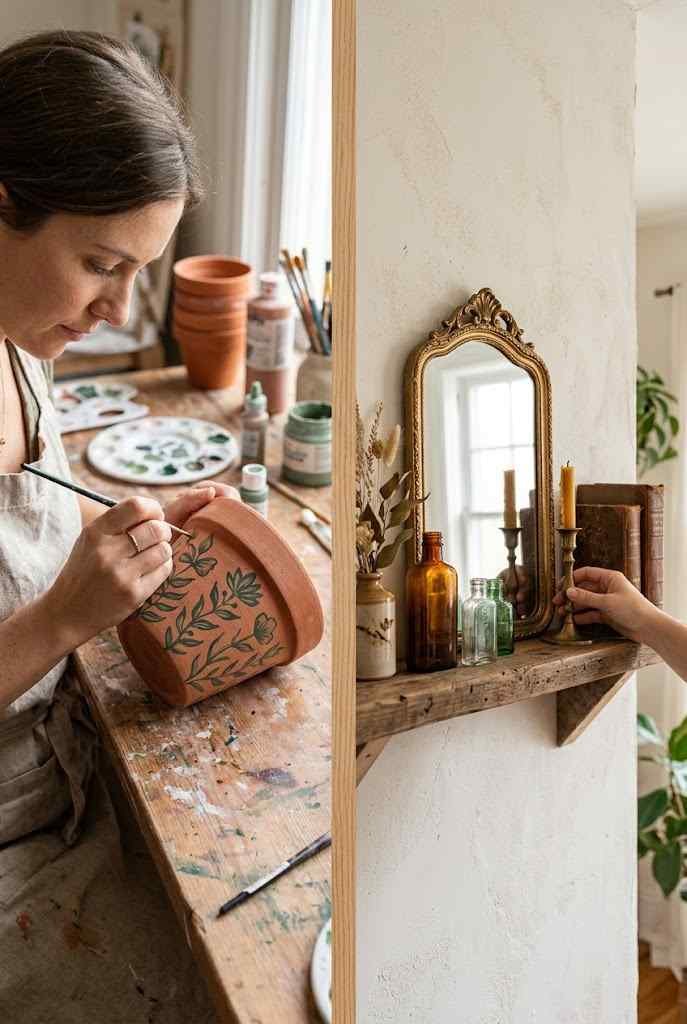
Here’s where your budget and effort level come into play. You can go full DIY, full shopping mode, or honestly, a mix of both makes the most sense.
Going DIY: Paint a geometric pattern on the floor (tape it, seal it), refinish an old wooden vanity you found online, create wall art from pressed botanicals, or hand-paint terracotta pots. These touches add genuine boho energy because they are slightly imperfect and personalized to you.
Buying strategically: Not everything needs to be handmade. Strategic purchases a quality wooden mirror, well-chosen tiles, nice plants, good textiles—create an intentional foundation you build your DIY stuff on top of. The best boho bathrooms combine both.
FYI, thrift stores and online marketplaces are seriously underrated for boho bathroom hunting. You find genuine vintage pieces for way less than “boho-branded” new items that feel soulless.
Budget-wise, consider this breakdown: invest in foundational pieces (vanity, mirror, tiles if doing a full bathroom refresh), then layer in affordable accessories and plants. A $50 statement mirror from a thrift store impacts the space far more than ten $20 items you’re unsure about. Quality over quantity applies even in boho design, maybe especially.
DIY projects that hit high impact with low difficulty: painting terracotta pots with botanical designs (grab some acrylic paint and brushes), creating pressed flower art in simple frames, hand-painting a geometric pattern on floor tiles (use painter’s tape and outdoor paint then seal), or staining and sealing a wooden ladder for towel display. These projects take an afternoon and transform the space.
For buying, second-hand sources genuinely outperform new boho-branded retailers. Vintage finds carry authentic character that newly-manufactured “boho-style” pieces struggle to match. You also avoid supporting the fast-design cycle that created sterile bathrooms in the first place.
FAQ’s
How do I source vintage boho bathroom pieces without overspending?
Hit thrift stores, estate sales, Facebook Marketplace, and online secondhand sites first. Reclaimed wood yards and salvage shops offer materials at fraction of retail prices.
What’s the best way to keep woven baskets and textiles clean in a humid bathroom?
Ensure good ventilation with a fan or window, wash textiles regularly in gentle cycles, and replace worn woven pieces every few years as they naturally degrade.
Can I achieve boho style in a bathroom with limited natural light?
Absolutely. Use warm artificial lighting (warm white bulbs), light-colored walls to bounce light, mirrors to amplify what exists, and choose shade-tolerant plants like pothos or snake plants.
How do I prevent my boho bathroom from feeling dated in five years?
Focus on timeless elements (natural materials, earthy colors) rather than trending patterns; update accessories seasonally; avoid ultra-specific trends that date quickly.
What’s the most cost-effective way to start transitioning my bathroom toward boho?
Begin with paint (biggest visual impact, lowest cost), add plants, then gradually introduce vintage finds and textiles. Avoid major renovations until you’ve refined your vision.
CONCLUSION
The beauty of a boho bathroom is that there’s actually no way to do it wrong if you’re following your instinct. Unlike modern minimalism or industrial design, boho celebrates personal interpretation. Your version won’t look like anyone else’s, and that’s exactly how it should be.
Start with one element maybe it’s repainting your walls in a warm sage or finding a stunning vintage mirror. Let that inspire the next choice. Build slowly, trust your gut, and don’t overthink it. The spaces that feel most authentically boho are the ones where the person living in them actually cares about what’s there.
Your bathroom is way too important to leave sterile and forgettable. Make it a place where you feel grounded, a little inspired, and genuinely at home because that’s what boho is really about.
The evolution of your boho bathroom doesn’t stop at completion. These spaces actually improve over time as you acquire new finds, replace worn items, and refine what works. A plant might not survive (no judgment we’ve all been there), so you replace it with something hardier. You find the perfect vintage mirror at an estate sale two years in, so you swap it out. Your space grows with you rather than staying frozen in time.