
closet door
By Anna Grace | 2 July 2026
How to Choose the Perfect Closet Doors Style, Material, and Installation for Every Room
Ever stood in a home improvement store staring at rows of closet doors, completely paralyzed by choice? Yeah, me too. I spent an embarrassing forty-five minutes last spring debating between bifold and sliding doors for my guest room closet, and I nearly called my sister just to make the decision for me. Closet doors seem simple until you actually have to pick one, and suddenly you’re weighing hinges, tracks, materials, and whether “barn door style” is timeless or already played out.
This guide breaks down everything you need to know about closet doors, from the different types available to installation basics and maintenance tips. Whether you’re renovating a bedroom, updating a hallway linen closet, or just tired of that one door that’s been stuck for three years, you’ll find practical answers here.
Types of Closet Doors and Which One Fits Your Space
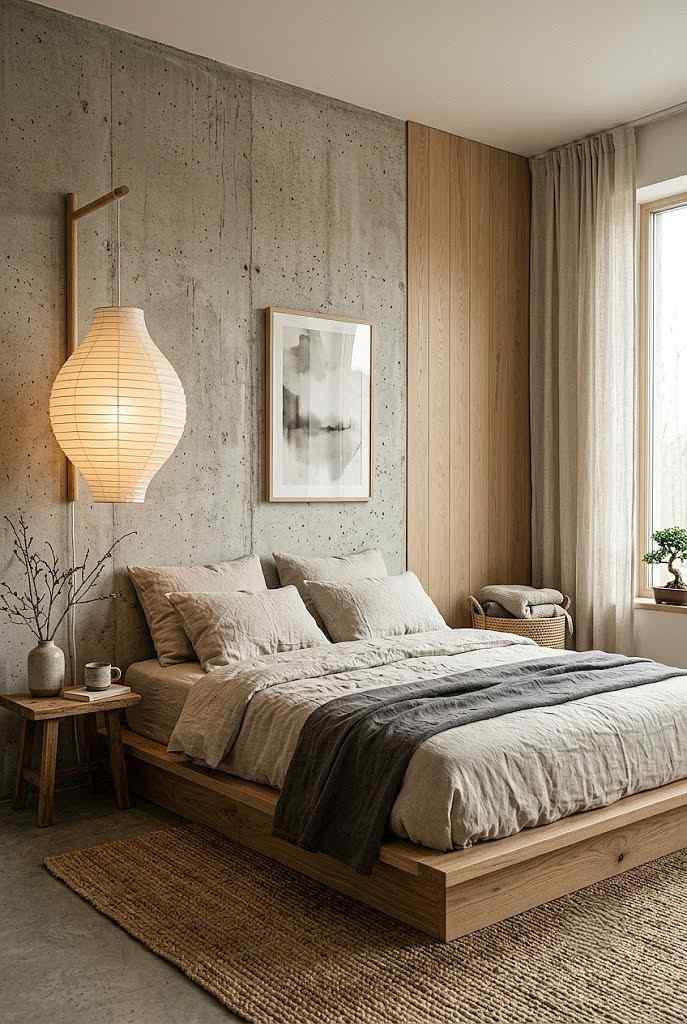
Closet doors come in more varieties than most people realize, and each style works better for certain rooms and budgets.
Bifold doors fold in the middle and are great for smaller closets where you don’t want a door swinging into the room. They’re affordable and easy to find at most hardware stores, though the hinges can wear out over time.
Sliding doors glide along a track and don’t require floor clearance for swinging open. This makes them ideal for tight bedrooms or hallways where every inch of walking space matters.
Hinged doors, the classic swing-open style, give you full access to the closet interior but need room to open. They tend to look more traditional and can match the rest of your interior doors seamlessly
Barn doors slide along an exposed track mounted above the doorway. They’ve become hugely popular for their rustic-meets-modern look, though IMO they work better in farmhouse or industrial-style homes than in, say, a formal colonial.
Mirrored doors serve double duty as a closet door and a full-length mirror, which is genius for smaller bedrooms without much wall space. Just know that mirrored sliding doors show every fingerprint and smudge, so you’ll be wiping them down more than you’d like.
Here’s a quick comparison to help you decide:
● Bifold: budget-friendly, compact footprint, moderate durability
● Sliding: space-saving, smooth operation, blocks half the closet at a time
● Hinged: full access, classic look, needs swing clearance
● Barn door: statement piece, trendy, requires wall space beside the opening
● Mirrored: functional and space-saving, high-maintenance surface
Sizing matters just as much as style when you’re picking a door type. A bifold door crammed into a wide closet opening will look undersized and flimsy, while a single hinged door on a six-foot-wide closet forces you to walk halfway across the room just to reach your shirts. Measure your opening before falling in love with a particular style on Pinterest.
Pocket doors deserve an honorable mention too, even though they’re less common for closets specifically. These slide directly into the wall cavity, disappearing completely when open, which is fantastic for rooms where you genuinely can’t spare an inch of space. The catch is that installing one usually means opening up the wall, so it’s not a weekend fix if you don’t already have one framed in.
Accordion-style doors are another option you’ll see in older homes, particularly around laundry closets and utility spaces. They fold like, well, an accordion, and while they’re not winning any design awards, they’re inexpensive and functional for spaces where looks matter less than access. If you’ve got a linen closet nobody really looks at, this might be your cheapest fix.
Materials That Actually Hold Up Over Time
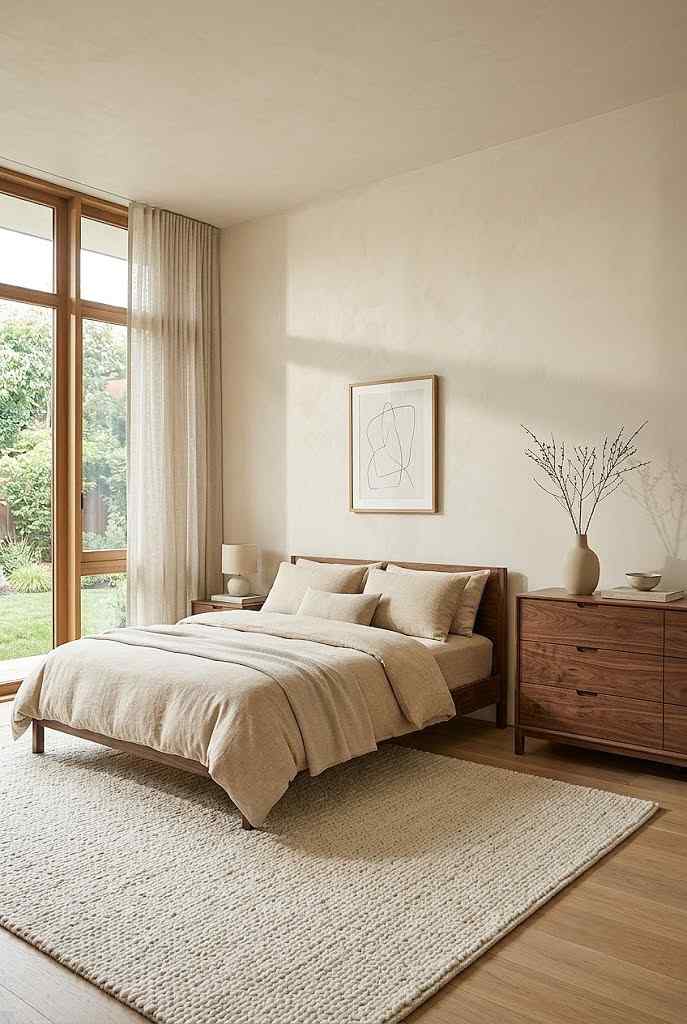
The material you choose affects durability, price, and how much noise the door makes every time someone opens it (a squeaky closet door at 6 a.m. is nobody’s friend).
Wood doors are the most common option, offering a warm, natural look that pairs well with almost any decor style. Solid wood costs more but resists warping better than cheaper composite versions, which can bow or swell in humid climates.
Glass and mirrored doors add visual interest and can make small rooms feel larger by reflecting light. They’re pricier and require more careful cleaning, but they genuinely transform a cramped bedroom.
Metal or aluminum-framed doors show up frequently in barn door and modern sliding designs. They’re durable and low-maintenance, though they can feel a little cold or industrial if that’s not the vibe you’re going for.
Composite or MDF doors are the budget pick, and honestly, they work fine for most closets that aren’t in high-humidity areas like bathrooms. Just don’t expect them to last twenty years the way solid wood might.
Humidity is the silent enemy of most closet doors, and it’s worth thinking about before you buy. Bathrooms, laundry rooms, and even bedrooms in coastal climates deal with moisture in the air that can warp lower-quality wood or composite doors within a year or two. If your closet sits anywhere near a humid zone, spring for solid wood or a moisture-resistant composite, even if it costs a bit more upfront.
Weight is another factor people forget until they’re already mid-installation. Solid wood doors are heavier, which means sturdier hinges and tracks are non-negotiable, especially for sliding or barn door setups. A lightweight track rated for hollow-core doors simply won’t hold up under a solid wood barn door, and you’ll end up with a sagging, off-track mess within months.
For anyone environmentally conscious, reclaimed wood has become a popular choice for barn-style closet doors specifically. It adds character, keeps materials out of landfills, and honestly looks better with a few nicks and imperfections than a brand-new, overly polished panel would. It’s pricier than standard MDF, but the story behind the wood makes it feel worth it.
How to Measure and Install Closet Doors Without Losing Your Mind
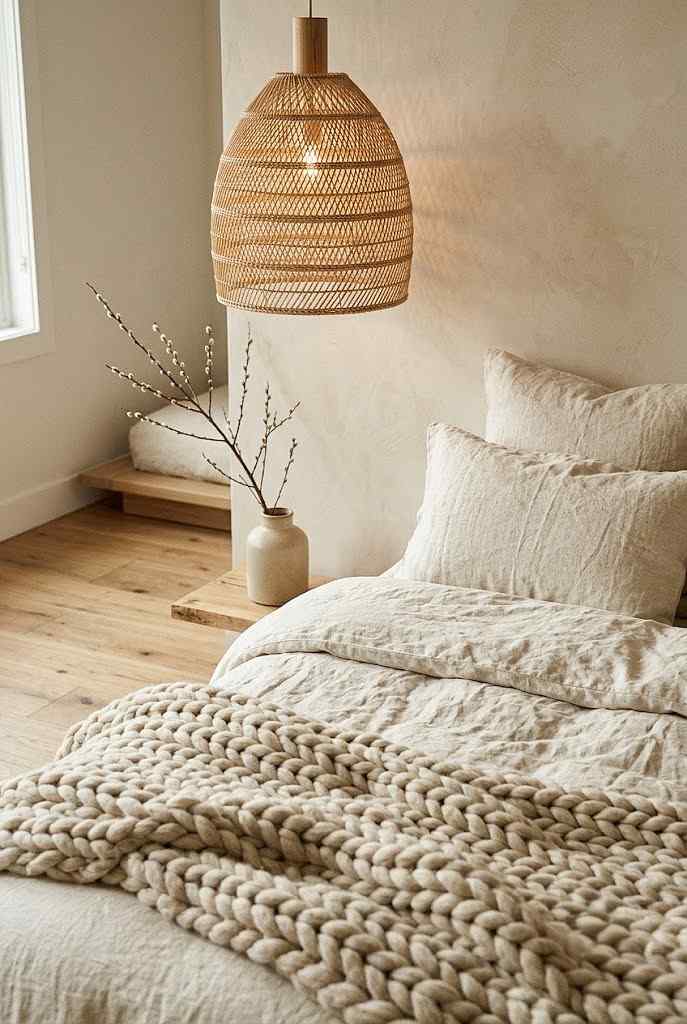
Installing closet doors sounds intimidating, but it’s actually one of the more manageable weekend projects if you measure correctly the first time.
Start by measuring the width and height of your closet opening, then subtract about half an inch on each side to account for the door frame and hardware clearance. Double-check these numbers because ordering the wrong size door is a headache nobody has time for, and returning oversized doors isn’t always free.
For bifold and sliding doors, you’ll need to install a top track and sometimes a bottom guide, which usually comes with the hardware kit. Most kits include clear instructions, but a level and a drill make the process significantly less frustrating.
Hinged doors require you to mount the frame first, then attach the door itself using standard hinges, which is basically the same process as installing any interior door. If your walls aren’t perfectly square (and let’s face it, most older homes aren’t), you may need shims to keep everything aligned.
Steps to install a basic sliding or bifold closet door:
● Measure the opening width and height accurately
● Purchase the correct door size and matching track hardware
● Install the top track using a level to ensure it’s straight
● Attach the door panels to the track rollers or hinges
● Test the door’s movement and adjust the guides as needed
One mistake people make constantly is forgetting to check whether their floor is level before installing sliding or bifold hardware. Older homes especially tend to settle unevenly over decades, meaning a door that looks perfectly hung might actually be dragging on one side. A cheap level from the hardware store solves this problem before it becomes a months-long annoyance.
If you’re installing a barn door, you’ll also need to confirm the wall beside the opening can actually support the track and door weight. Track hardware typically needs to be anchored into wall studs, not just drywall, so grab a stud finder before you start drilling holes you’ll have to patch later. Skipping this step is how doors end up ripping straight out of the wall, track and all.
Give yourself more time than you think you’ll need, particularly for a first attempt. What seems like a two-hour project can easily stretch into an afternoon once you factor in adjusting tracks, re-measuring, and the inevitable trip back to the hardware store for a part you didn’t realize you needed. Rushing installation is basically guaranteeing you’ll be back here fixing something in a month.
Style Considerations That Make a Real Difference
Closet doors aren’t just functional, they’re part of your room’s overall design, whether you’ve thought about it that way or not. What’s the point of a beautifully decorated bedroom if the closet door looks like an afterthought?
Matching your closet doors to your existing interior doors creates a cohesive look throughout your home. This doesn’t mean everything has to be identical, but similar tones and finishes prevent that “mismatched furniture store” feeling.
Louvered doors, with their slatted panels, add texture and allow airflow, which is genuinely useful for closets storing shoes or gym bags that need to breathe. They work particularly well in coastal or cottage-style homes.
Paint and finish choices matter more than people expect. A crisp white door can brighten a dark hallway, while a bold color on a barn door instantly becomes a focal point in the room. I painted a set of bifold doors matte black in my own hallway closet, and it completely changed how the whole space felt, way more intentional than the builder-grade white doors that came with the house.
Hardware finishes are a small detail that quietly makes or breaks the overall look. Matte black handles and track hardware read as modern and intentional, while brushed nickel leans more transitional, and oil-rubbed bronze tends to suit farmhouse or traditional spaces. Mixing metals throughout your home isn’t inherently wrong, but closet door hardware that clashes with your other fixtures tends to stand out in a way that feels accidental rather than stylish.
Lighting also plays a bigger role than most people consider when choosing door style. Mirrored or glass doors can brighten a dim hallway by bouncing available light around, while solid wood or opaque panels absorb light and can make small, windowless spaces feel even smaller. If your closet sits in a naturally dark corner of the room, that’s worth factoring into your decision before committing to a heavy, dark-stained wood door.
Texture is the most overlooked style element of all. A flat, flush-panel door disappears into the wall, which works fine in minimalist spaces, but louvered, paneled, or shiplap-style closet doors add visual depth that makes a room feel more finished. It’s a subtle choice, but it’s the kind of detail that separates a space that feels designed from one that just feels furnished.
Maintenance Tips to Keep Your Doors Working Smoothly
A little regular upkeep prevents the sticking, squeaking, and jamming that eventually leads people to just leave their closet doors permanently open (we’ve all seen that closet).
Vacuum or wipe down the tracks on sliding and bifold doors every few months, since dust and debris are usually the culprit behind sticky movement. A dry silicone spray lubricant on the tracks and hinges keeps everything gliding smoothly without attracting more dust the way oil-based lubricants do.
Check the screws on hinges and track brackets periodically, since they can loosen with repeated use. Tightening them takes two minutes and prevents doors from sagging or falling off track entirely.
For mirrored or glass doors, a basic glass cleaner and microfiber cloth keep them streak-free. Avoid ammonia-based cleaners on any tinted or coated glass, since they can degrade the finish over time.
Seasonal changes affect closet doors more than people expect, particularly wood doors that expand slightly in humid summer months and contract during dry winters. If a door that glided smoothly in spring suddenly feels tight in August, that’s usually just the wood responding to moisture in the air rather than a sign something’s broken. Waiting out the season often resolves the issue on its own.
For sliding doors specifically, check the rollers every so often to make sure they’re still round and haven’t developed flat spots from years of use. Worn rollers are cheap to replace and are honestly one of the easiest hardware fixes on this entire list, requiring nothing more than a screwdriver and ten minutes. Ignoring worn rollers just means the door drags louder and louder until it eventually jumps the track entirely.
Keep an eye on bifold door pivot pins too, since those small plastic or metal pieces at the top and bottom of each panel wear out faster than people realize. A door that suddenly won’t stay upright or keeps popping out of its track is almost always a pivot pin issue, not a sign the whole unit needs replacing. Hardware stores sell replacement pins for just a few dollars, making this one of the cheapest repairs in home maintenance, period.
FAQ’s
What are the most space-saving closet doors for small bedrooms?
Sliding and bifold doors save the most space since they don’t require floor clearance for swinging open.
How much does it typically cost to install new closet doors?
Costs vary widely by material and style, ranging from budget-friendly composite doors to pricier custom wood or glass options.
Can I install closet doors myself, or do I need a professional?
Most bifold, sliding, and hinged doors are DIY-friendly with basic tools, though uneven walls may require professional help.
Why does my sliding closet door keep sticking or coming off track?
Dust buildup in the track and loose hardware are the most common causes, both fixable with cleaning and tightening.
Are barn doors a passé trend for closets, or still worth installing?
Barn doors remain popular for rustic or modern-farmhouse homes, though they suit some interior styles better than others.
CONCLUSION
Choosing the right closet doors comes down to balancing your space, budget, and personal style, and there’s no single “correct” answer for every home. A tiny apartment bedroom probably needs sliding or bifold doors, while a spacious primary suite might handle a statement barn door beautifully. Take the time to measure carefully, pick materials suited to your climate, and don’t underestimate how much a fresh coat of paint can do for an otherwise boring door. Your closet might be one of the smaller design decisions in your home, but it’s one you’ll interact with every single day, so it’s worth getting right.