
backyard patio decor
By Anna Grace | 20 July 2026
The Lazy Genius Guide to Backyard Patio Decor
Your patio has potential. Right now it might host a wobbly plastic chair, a grill with one functioning burner, and a citronella candle from 2019 but underneath all that sits the cheapest square footage you’ll ever renovate. You don’t need a contractor, a permit, or a second mortgage. You need a plan, a weekend, and a little restraint at the garden center.
Backyard patio decor works differently than indoor decorating, and that trips people up. Sunlight fades fabric in months, rain warps wood, and wind treats lightweight furniture like a game of pinball. The good news? Once you learn a few outdoor-specific rules, decorating a patio becomes easier than decorating a living room. Nobody judges your patio for mismatched textures. Out here, “eclectic” reads as charming instead of chaotic.
This guide covers the whole process: figuring out what your patio should actually do, lighting it properly, choosing furniture and textiles that survive real weather, adding greenery without creating a part-time watering job, and squeezing style out of a small budget. By the end, you’ll have a patio people gravitate toward instead of one they politely avoid.
Decide What Your Patio Is For (Before You Buy Anything)
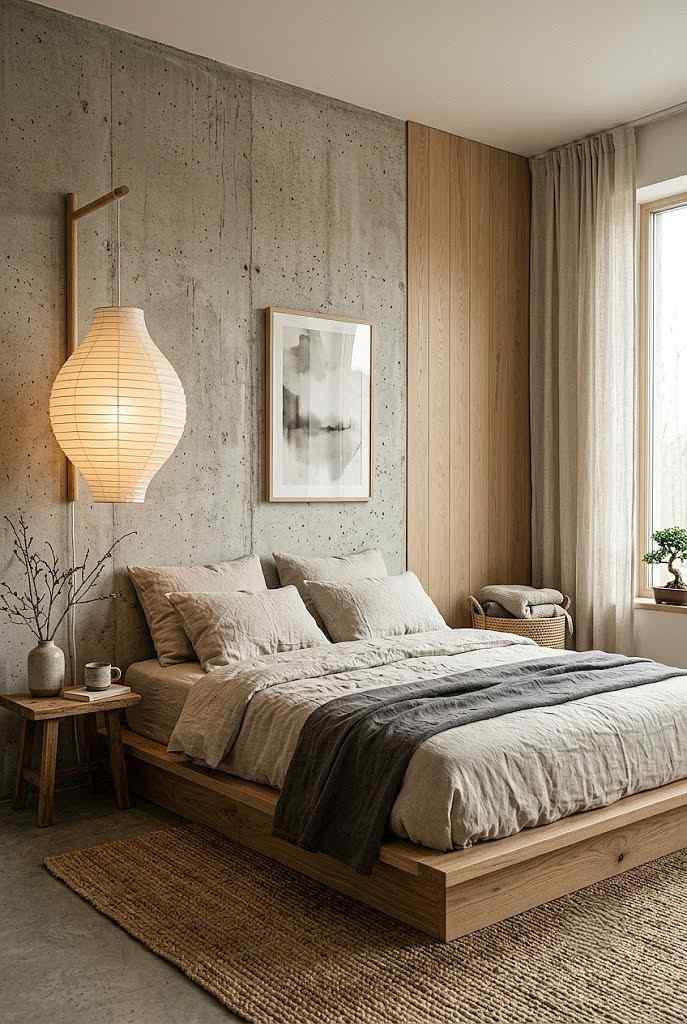
Here’s the mistake almost everyone makes: they shop first and plan never. They see a gorgeous sectional on sale, haul it home, and then discover it blocks the path to the grill, hogs the only shady corner, and seats eight when they entertain two. The furniture drove the design instead of the other way around.
Flip that order. Before spending a dollar, answer one question honestly: what do you actually want to do out there? Not what looks good on Pinterest what fits your real life.
Most patios fall into one of a few functional categories:
● The dining patio. Built around a table, positioned near the kitchen door, with task-friendly lighting. Great if you eat outside more than twice a week in summer.
● The lounge patio. Deep seating, side tables within arm’s reach of every chair, soft ambient light. This suits the coffee-in-the-morning, wine-in-the-evening crowd.
● The entertaining patio. Flexible seating that rearranges easily, a drink station, and open floor space so guests can circulate.
● The retreat patio. One or two very comfortable chairs, maximum privacy, minimum stuff. Basically an outdoor reading nook.
Small patios usually can’t do all four, and that’s fine. Pick one primary function and one secondary, then let everything else go. A 10×12 slab trying to be a dining room, lounge, bar, and yoga studio ends up being none of them.
Once you know the function, map the traffic. Walk the routes you’ll actually take door to grill, grill to table, table to trash. Leave at least three feet of clearance on main paths. Furniture that interrupts natural walking routes will get bumped, cursed at, and eventually resented, no matter how beautiful it is.
Then find your anchor point. Every patio needs one spot that pulls the eye and organizes the layout: a fire pit, a dining table, a statement chair under a tree. Arrange everything else in relation to that anchor and the space instantly feels intentional. Skip the anchor, and even expensive furniture reads as a random collection of objects that happen to share a slab.
One more planning note: track the sun for a day before finalizing anything. That corner that feels perfect at 9 a.m. might be a cast-iron skillet by 3 p.m. Shade determines where people actually sit, so design around it rather than fighting it.
Light It Like You Actually Plan to Use It After Dark
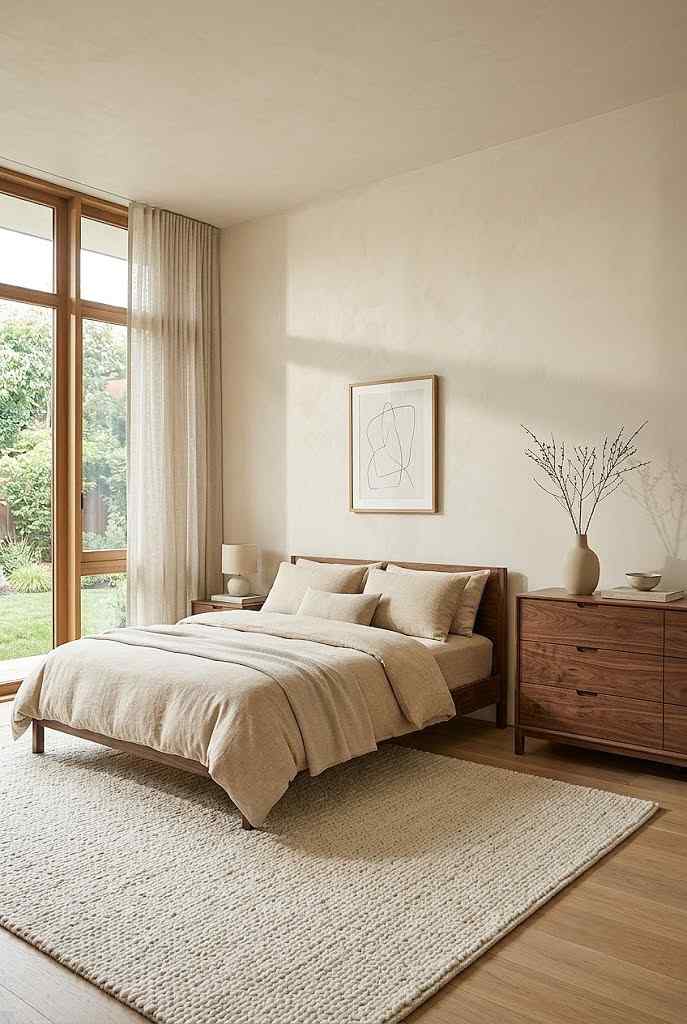
Lighting is the highest-impact, lowest-cost upgrade in all of patio decor, and yet most backyards get exactly one option: a floodlight that makes everyone look like they’re being interrogated. You can do better for under a hundred dollars.
The trick professionals use is layering. Instead of one bright source, combine three types of light at different heights:
● Overhead ambient light string lights, usually. Run them in a zigzag or perimeter pattern about eight to ten feet up.
● Mid-level accent light lanterns on tables, wall sconces, or LED candles clustered on a shelf or bar cart.
● Ground-level path light solar stakes along walkways and steps, mostly for safety, partly for depth.
Why does layering matter so much? Because a single light source flattens everything, while three heights of light create shadow, dimension, and that vaguely magical restaurant-courtyard feeling. It’s the difference between a parking lot and a patio.
A few practical specifics. Buy string lights with a 2700K color temperature that’s the warm, golden tone. Anything labeled “daylight” or 5000K will make your cozy retreat feel like a dental office. Choose bulbs rated for outdoor use with shatterproof plastic shells, because glass bulbs and windstorms have a predictable relationship.
Solar lights have improved dramatically, but IMO they still belong in supporting roles path markers and accent glow rather than carrying the whole evening. On cloudy weeks they fade fast, and there’s nothing sadder than a dinner party losing illumination at 9:15. If you have an outdoor outlet, use it for your primary string lights and put them on a smart plug or timer so they come on automatically at dusk.
If you don’t have an outlet, battery-powered LED string lights with a timer function work surprisingly well now, and rechargeable lanterns fill the gaps. Fire counts as lighting too: a fire pit or even a small tabletop fire bowl adds light, warmth, and a reason for people to stay outside two hours longer than they planned.
One rule above all: dimmer and warmer beats brighter and cooler, every single time. You want people to look good and feel relaxed. Nobody has ever left a patio saying, “Lovely evening, but I wish it had been more brightly lit.”
Choose Furniture and Textiles That Can Take a Punch
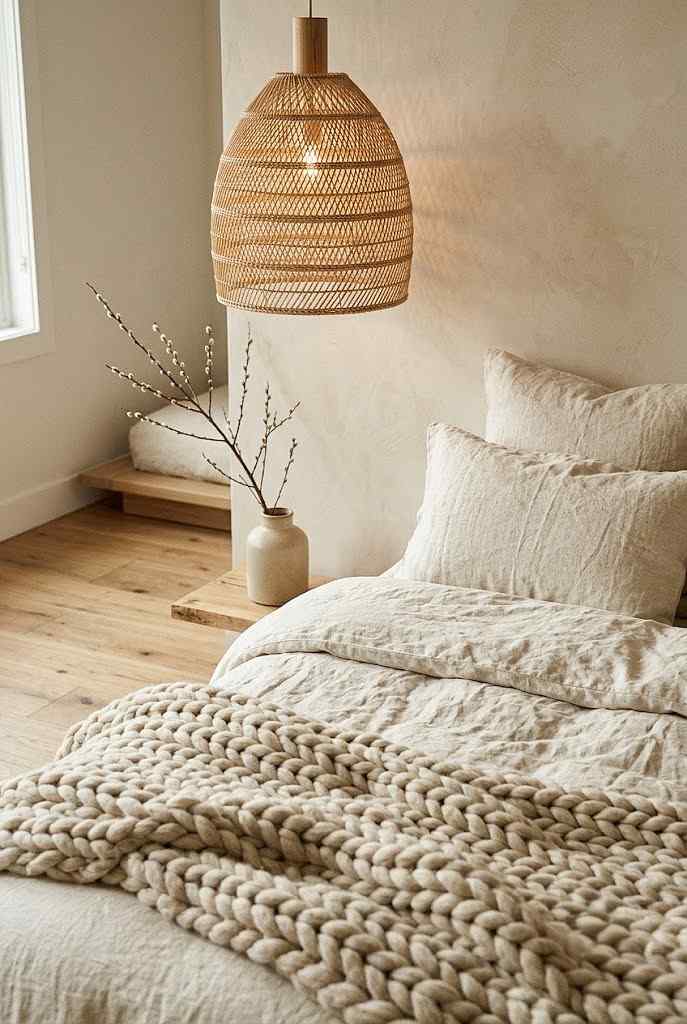
Outdoor furniture lives a hard life. It gets rained on, baked, frozen, sat on by wet swimsuits, and used as a scratching post by neighborhood cats. Decorating a patio means accepting this reality upfront instead of discovering it in October when your “indoor/outdoor” cushions have grown a science experiment.
Start with materials. For frames, the reliable performers are powder-coated aluminum (light, rustproof, easy to move), teak or eucalyptus (heavier, weathers to a handsome silver-gray), and quality resin wicker over an aluminum frame. Cheap steel rusts, cheap plastic becomes brittle and chalky, and untreated softwoods rot from the feet up. You don’t have to spend a fortune, but the twenty-dollar folding chair is a one-season rental, not a purchase.
For fabrics, one term matters more than any other: solution-dyed acrylic. In regular fabric, color sits on the surface like a coat of paint, and UV rays strip it in a season. In solution-dyed acrylic, the color runs all the way through the fiber think carrot, not radish — sit resists fading for years. Sunbrella is the famous brand, but plenty of budget-friendly alternatives use the same technology now.
Here’s where I’ll admit a personal bias: I think most patios are over-furnished and under-cushioned. People buy seven pieces of hard furniture and zero soft things, then wonder why nobody lingers outside. Reverse it. Fewer seats, more comfort. Two genuinely comfortable chairs with thick cushions, throw pillows, and a blanket basket beat a full “conversation set” with cushions the thickness of a magazine.
An outdoor rug does more work than any other single textile. It defines the seating zone, softens hard concrete underfoot, hides stains and cracks, and visually ties mismatched furniture together. Get one big enough that at least the front legs of every seat sit on it a tiny rug floating in the middle of the arrangement looks like a postage stamp and makes the whole patio feel smaller.
A quick word on maintenance, because it determines how long everything lasts:
● Store or cover cushions when rain is coming; even waterproof foam takes days to dry through.
● Hose off frames monthly to remove pollen and grime before they bond permanently.
● Use breathable covers in winter, not plastic tarps, which trap moisture and breed mildew.
● Retighten bolts each spring outdoor furniture loosens with temperature swings.
None of that takes more than an hour a season, and it doubles the lifespan of everything you own. Boring advice, admittedly. Also true.
Add Plants, Height, and Privacy Without a Landscaping Degree
A patio without plants feels like a waiting room with better weather. Greenery softens hard edges, muffles noise, screens the neighbor’s questionable shed, and makes the space feel alive. And no, you don’t need a green thumb you need the right plants in the right containers.
Container gardening is patio gardening, and the classic recipe still works: thriller, filler, spiller. A tall dramatic plant in the center (ornamental grass, a dwarf citrus, a canna), medium bushy plants around it (lantana, coleus, geraniums), and something trailing over the edge (sweet potato vine, creeping jenny, trailing petunias). One well-built pot following this formula looks better than six random ones.
Go bigger with your pots than feels natural. Large containers hold more soil, which holds more water, which means you water twice a week instead of twice a day. They also look intentional and grounded, while a scatter of small pots reads as clutter. Three large planters beat ten small ones, both visually and for your Saturday schedule.
If keeping things alive stresses you out, stack the deck with nearly unkillable options: snake plants and ZZ plants for shaded covered patios, succulents and portulaca for blazing sun, rosemary and lavender if you want fragrance and can offer good drainage. FYI, herbs pull double duty here a pot of basil by the grill is decor you can put on a pizza.
Now, think vertically, because most patios waste their upper half entirely. Vertical elements add privacy, shade, and a sense of enclosure that transforms how a space feels:
● A trellis with a climbing vine (clematis, star jasmine, or annual black-eyed Susan vine for fast coverage) creates a living wall in one season.
● Hanging baskets at varied heights pull the eye upward and fill dead air.
● A pergola or shade sail defines the “ceiling” and makes even a big open patio feel like a room.
● Tall planters with bamboo or arborvitae screen sight lines to the neighbors without the cost or commitment of a fence.
That sense of enclosure matters more than people expect. Humans relax in spaces that feel slightly contained it’s why restaurant booths beat open tables. Give your patio at least a partial ceiling and one soft “wall,” and it stops feeling like a slab in a yard and starts feeling like a destination.
Ever notice how the best patios feel about ten degrees cooler than they are? That’s not luck; that’s shade, greenery, and airflow doing quiet teamwork.
Style It on a Budget (Where the Money Actually Matters)
Good patio decor isn’t about spending more it’s about spending in the right order. Some purchases repay you every single day, and some are pure decoration you can improvise for cheap. Knowing which is which saves you hundreds.
Spend real money on the things bodies touch and weather attacks: seating comfort, cushion fabric, and shade. Save aggressively on everything else. Here’s the rough hierarchy:
A short safety checklist worth taping inside your patio door:
● Worth the splurge: one great chair or sofa, solution-dyed cushions, an umbrella or shade sail, a quality outdoor rug.
● Worth going cheap: side tables (a sealed stump or crate works), planters (thrift stores overflow with them), decor objects, string lights.
● Worth doing yourself: painting, planting, building simple benches, sewing pillow covers if you’re handy.
The ground beneath and around the pit needs attention, too. Set the pit on a non-flammable surface gravel, pavers, concrete, or bare earth and clear dry leaves, mulch, and debris in a wide radius around it. Mulch is basically kindling that landscapers sell in bags. Keep it well away from any open flame.
Paint is the biggest bargain in the entire outdoor decor universe. A quart of exterior paint revives a rusty metal chair, a tired fence panel, or a faded pot for under twenty dollars. Concrete stain or a stenciled painted “rug” transforms an ugly slab for the cost of a pizza night. If your patio looks dated, paint something before you replace anything.
Thrifting deserves a special mention. Secondhand stores and online marketplaces are graveyards of perfectly good patio furniture that someone abandoned during a move. Solid teak benches, wrought iron sets, ceramic planters all routinely priced at a tenth of retail. Metal and hardwood pieces clean up with soap, a wire brush, and that quart of paint. My honest opinion? A repainted vintage iron chair has more character than anything in a big-box “outdoor collection,” and it’ll outlive the new stuff by a decade.
A few more high-impact, low-cost moves:
● Repeat one accent color three to five times across cushions, pots, and accessories to make everything look coordinated on purpose.
● Add a tray to every table. Trays corral candles, remotes, and drinks into a styled vignette instead of scattered clutter.
Bring one indoor thing outside for gatherings a floor lamp, a bar cart, framed art on a covered wall. The unexpected crossover instantly elevates the space.
● Edit ruthlessly. Remove the broken hose reel, the dead plant, the mystery bucket. Subtraction is free and often the single biggest visual upgrade available.
Finally, buy off-season. Patio furniture prices collapse in late August and September when retailers clear floor space. The patient shopper furnishes next summer’s patio at forty percent off while everyone else pays full freight in May.
FAQ’s
What is the cheapest way to upgrade backyard patio decor?
Warm string lights and exterior paint deliver the biggest transformation for under fifty dollars.
What fabric lasts longest on outdoor patio cushions?
Solution-dyed acrylic resists UV fading for years because color runs through every fiber.
How big should an outdoor patio rug be?
Large enough that the front legs of every seat rest on it comfortably.
How can I add privacy to a patio without building a fence?
Use trellises with climbing vines, shade sails, or tall planters filled with bamboo.
When is the best time to buy patio furniture on sale?
Late August through September, when retailers slash prices to clear seasonal floor space.
CONCLUSION
A patio never reaches “done,” and honestly, that’s part of the appeal. It evolves a new plant here, better cushions next year, string lights rerouted after you finally admit the first layout was wrong. What matters is crossing the threshold from “space we ignore” to “space we use,” and that line is closer than you think.
Recap the path: define one clear purpose, anchor the layout around a focal point, layer warm lighting at three heights, invest in weatherproof comfort over furniture quantity, add big pots and vertical greenery for softness and privacy, and spend your budget where skin and sunshine make contact. Do those six things in any order and the patio takes care of the rest.
Start with a single move this weekend hang the string lights, or repot that sad fern into something enormous. Momentum does the decorating from there. Your future self, coffee in hand on a cool Saturday morning, will be grateful you began.