
Bathroom Flooring
By Anna Grace | 27 June 2026
Bathroom Flooring: What Actually Survives the Wettest Room in Your House
A bathroom floor gets splashed, steamed, dripped on, and stomped across roughly 2,000 times a year and that’s a conservative estimate for a family of four. Every other floor in your house lives a cushy life by comparison. Your bathroom floor? It’s basically running a marathon in the rain, daily, forever.
So when people pick bathroom flooring based purely on what looks nice on Pinterest, I wince a little. Looks matter, sure. But water doesn’t care about your aesthetic. Water finds the weak spot, seeps in, and quietly rots your subfloor while you’re busy admiring your new hexagon tiles.
The good news: choosing the right bathroom flooring isn’t complicated once you know how each material actually behaves when things get wet. And in 2026, you’ve got more genuinely waterproof options than ever some of them shockingly affordable.
Grab a coffee. By the end of this, you’ll know exactly which floor belongs in your bathroom and which ones will betray you within five years.
. Why Bathroom Flooring Is a Different Beast Entirely
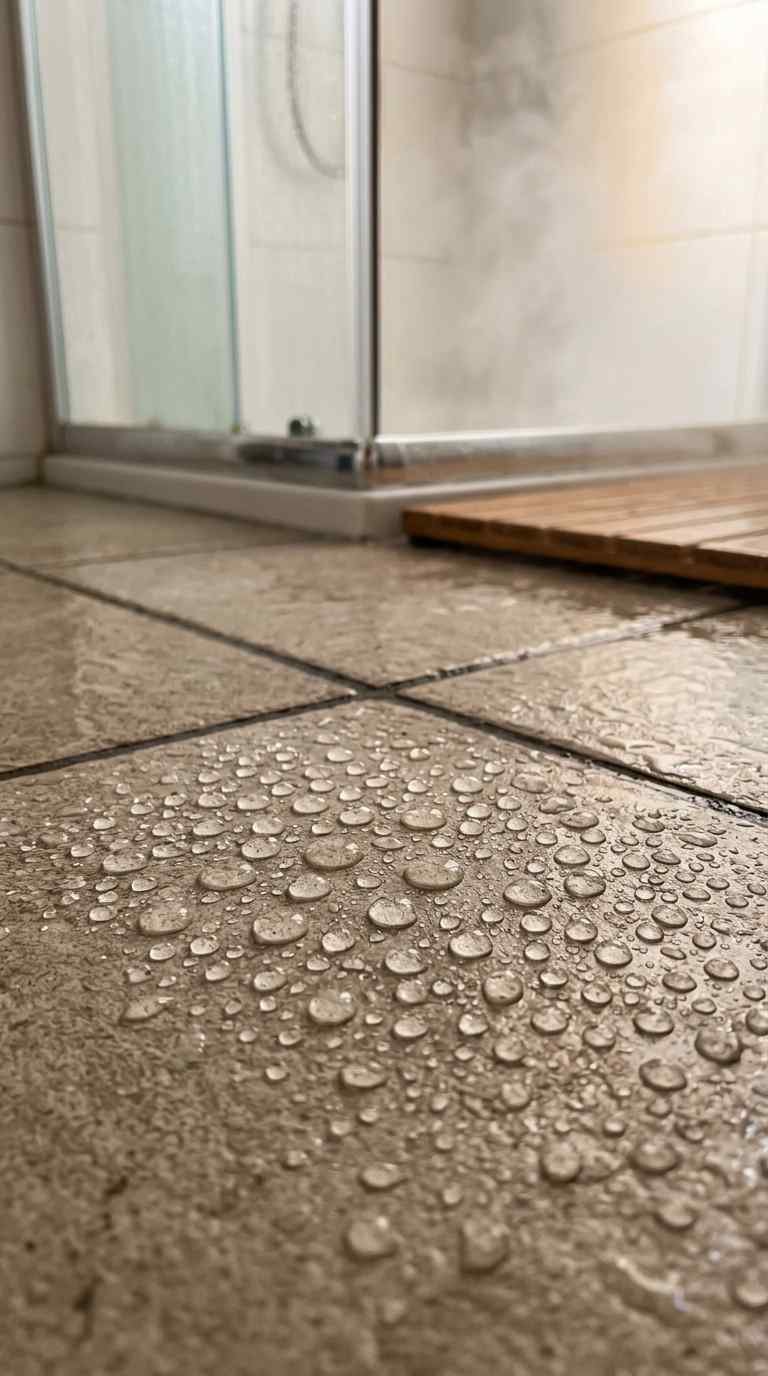
Here’s the thing most flooring guides gloss over: a bathroom isn’t just “a room that gets wet sometimes.” It’s a room with three separate moisture attacks happening at once.
First, there’s direct water splashes from the tub, drips from wet feet, the occasional overflowing toilet (we’ve all been there, no judgment). Second, there’s humidity. Every hot shower pumps steam into the air, and that moisture settles on every surface, including the floor. Third, and sneakiest of all, there’s moisture from below condensation and vapor rising through the subfloor, especially in bathrooms over crawl spaces or concrete slabs.
Your bathroom flooring has to shrug off all three. That’s why materials that work beautifully elsewhere in the house — solid hardwood, standard laminate, carpet (please, never carpet) fail spectacularly here.
The non-negotiables for any bathroom floor:
● Waterproof or highly water-resistant not “water-tolerant,” actually waterproof
●Slip resistance wet tile plus bare feet is a lawsuit waiting to happen in your own home
● Dimensional stability it can’t swell, warp, or cup when humidity spikes
● Easy cleaning because soap scum and toothpaste splatter are eternal
One more thing worth burning into your brain: grout and seams are where floors fail, not the material itself. A porcelain tile is basically indestructible, but cracked grout lets water straight through to the subfloor. Keep that in mind as we go installation quality matters as much as material choice.
Porcelain and Ceramic Tile: The Reigning Champions
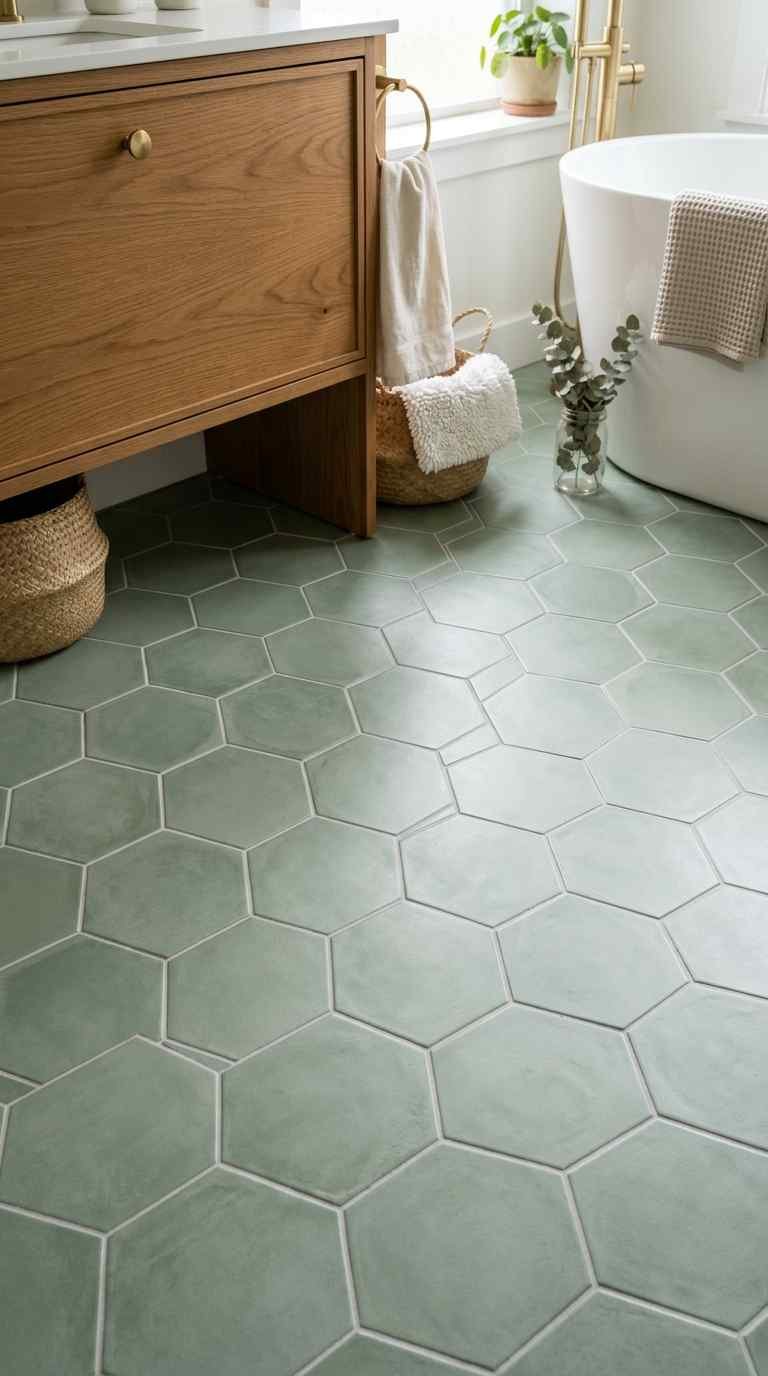
If bathroom flooring were a boxing league, porcelain tile would hold the belt and refuse to give it up. There’s a reason roughly 70% of bathroom renovations still land on tile it just works.
Quick clarification, because people mix these up constantly: porcelain and ceramic are cousins, not twins. Both are clay-based tiles, but porcelain gets fired at higher temperatures with denser clay, making it harder and less porous. Porcelain absorbs less than 0.5% of water. Ceramic absorbs a bit more, which is fine for bathroom floors in most homes, but porcelain is the tank of the two.
What makes tile so hard to beat
Tile is genuinely waterproof, not just resistant. Spill a bathtub’s worth of water on properly installed porcelain and it’ll sit there politely until you mop it up. Tile also laughs at scratches, handles decades of foot traffic, and this is the underrated part works flawlessly with radiant floor heating. Warm tile under bare feet on a January morning is one of life’s genuinely great luxuries, IMO.
Design-wise, you’re spoiled. Wood-look planks, marble-look slabs, tiny mosaic penny rounds, bold patterned encaustic styles if you can imagine it, someone makes it in porcelain.
The catches (because there are always catches)
Tile is cold without underfloor heating, hard underfoot, and unforgiving when you drop your phone on it. RIP to every screen protector that ever met a tile floor.
Then there’s grout. Grout needs sealing, occasional scrubbing, and re-sealing every year or two. Skip that maintenance and your crisp white grout lines turn a shade I can only describe as “regret beige.”
Cost-wise, expect $2–$15 per square foot for the tile itself, plus $5–$14 per square foot for professional installation. DIY tiling is doable, but bathrooms have tricky cuts around toilets and vanities budget double the time YouTube suggests. Ask me how I know. My first tiling job involved four trips to the hardware store in one Saturday and a toilet flange cut that still haunts me. The floor turned out fine. My ego did not.
Best for: Anyone who wants maximum durability and resale value, and doesn’t mind grout maintenance.
Luxury Vinyl: The Underdog That Grew Up
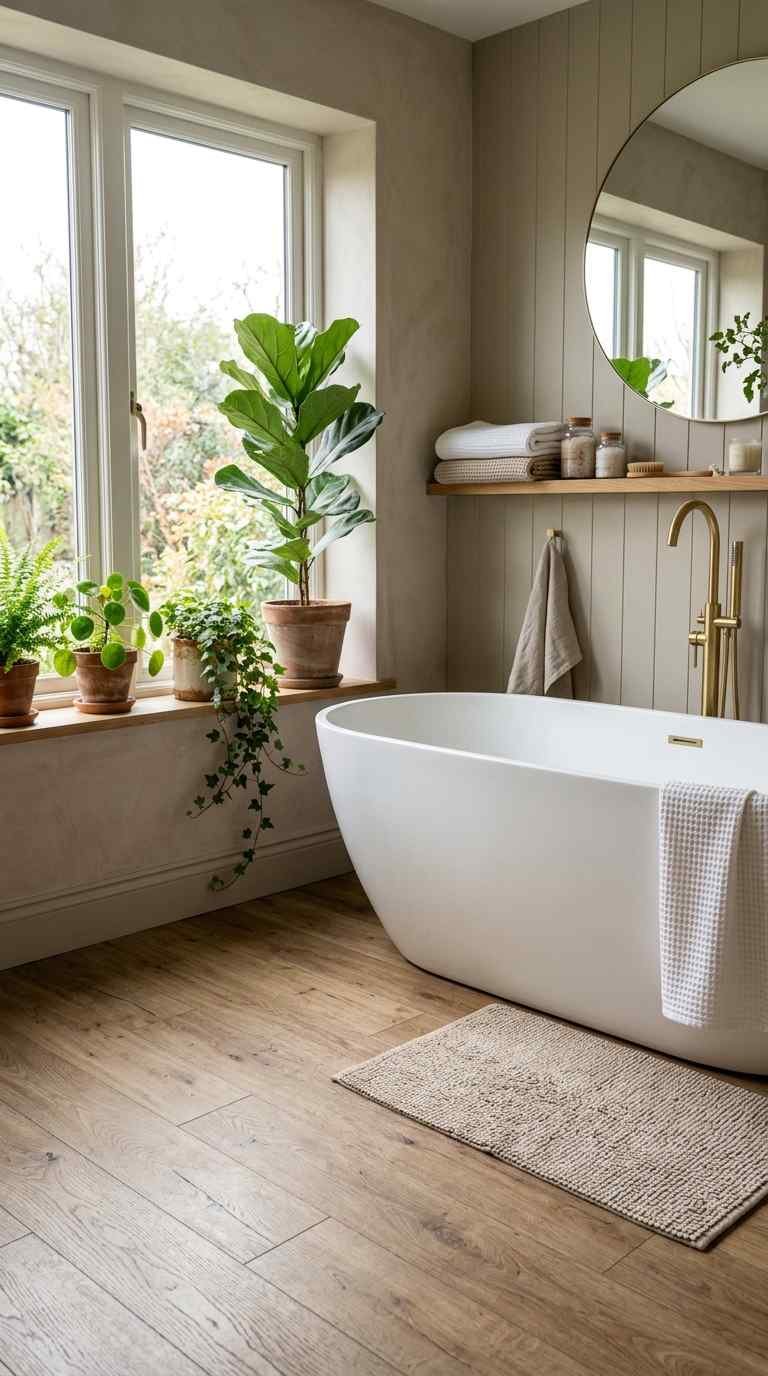
Ten years ago, saying “vinyl bathroom floor” made designers physically flinch. Vinyl meant that curling, faded sheet stuff in your grandma’s powder room. Those days are gone, and honestly? Luxury vinyl has become my default recommendation for most real-world bathrooms.
Modern luxury vinyl plank (LVP) and luxury vinyl tile (LVT) are 100% waterproof through the entire thickness of the material. Not water-resistant. Waterproof. You could flood the room and the planks themselves wouldn’t care (your subfloor might, but that’s a seam issue, not a material one).
Why homeowners keep choosing it
Warm and soft underfoot noticeably more comfortable than tile, no heating system required
DIY-friendly click-lock planks install over most existing floors in a weekend
Budget-friendly quality LVP runs $2–$7 per square foot, often half the installed cost of tile
Shockingly realistic looks today’s embossed wood and stone textures fool people at eye level constantly
Sheet vinyl deserves a mention too. It’s the budget king at $1–$3 per square foot, and because it comes in massive rolls, a small bathroom can be covered with zero seams. Zero seams means zero entry points for water. For rentals and quick refreshes, it’s hard to argue with.
Where vinyl falls short
Vinyl can dent under heavy furniture, sharp objects can gouge it, and cheap versions fade in strong sunlight. It also adds less resale value than tile appraisers and buyers still see tile as the premium bathroom finish, fair or not.
And a heads-up: quality varies wildly. A $1.50/sq ft plank and a $6/sq ft plank are not the same product wearing different price tags. Look for a wear layer of at least 20 mil for bathrooms. Anything thinner is asking for scratches and early replacement. FYI, the wear layer spec is buried on the box or the product page check it before you buy, not after.
Best for: Budget-conscious renovators, DIYers, families with kids who treat bath time like a water park.
Natural Stone, Engineered Wood, and Other Beautiful Gambles
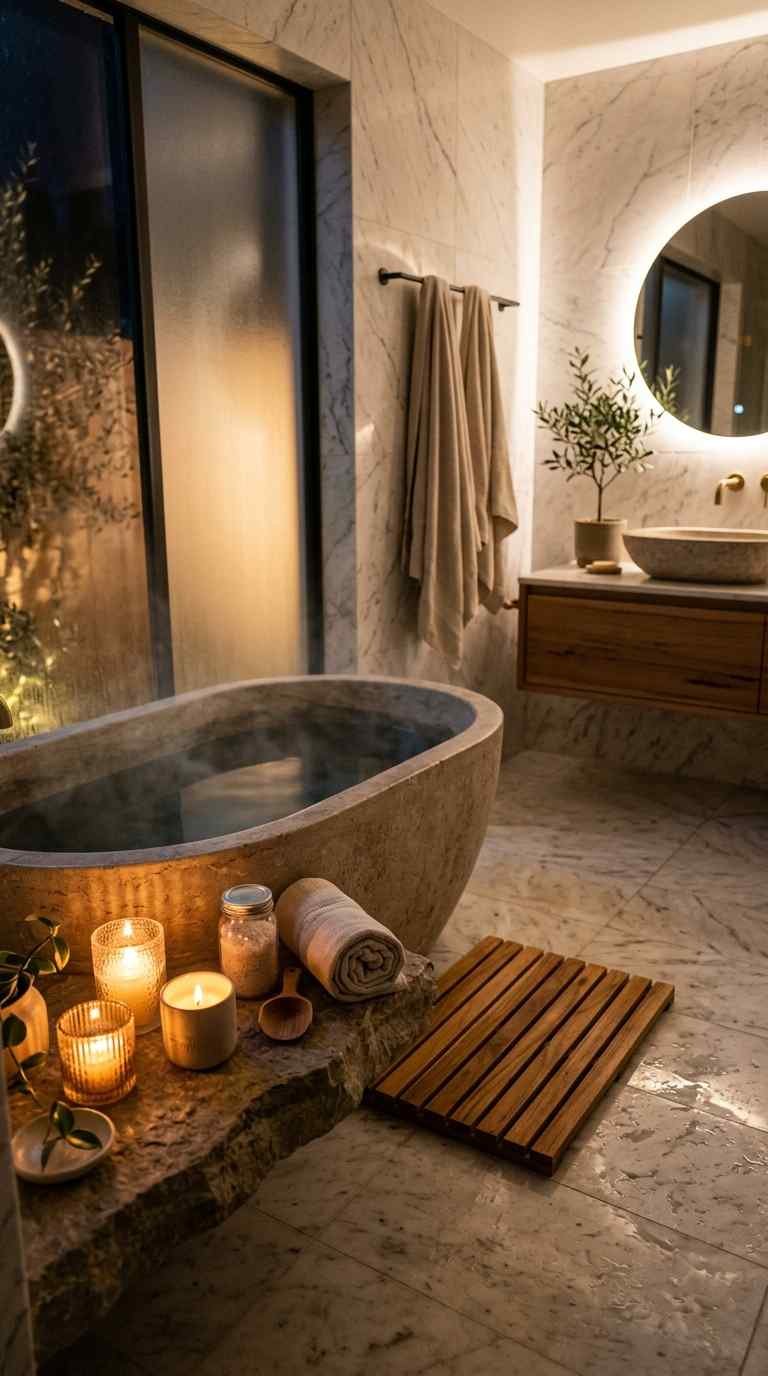
Now for the materials that make design lovers swoon and contractors sigh. These options can absolutely work in a bathroom they just demand more from you.
Natural stone: gorgeous, needy, worth it (sometimes)
Marble, travertine, slate, limestone nothing manufactured fully matches the depth of real stone. Every tile is unique, the material feels substantial, and a stone bathroom floor instantly signals “someone spent money here.”
But stone is porous. Left unsealed, marble drinks up water, soap, and hair dye like it’s been wandering a desert. You’ll need to seal natural stone on installation and re-seal it every 6–12 months, use pH-neutral cleaners only (vinegar etches marble learn this before you ruin something expensive), and accept that etching and staining are eventually part of its character.
Price? Stone starts around $5 per square foot for basic travertine and climbs past $50 for premium marble, before installation. Slate deserves a special shout-out here it’s naturally slip-resistant, more forgiving than marble, and looks incredible in earthy, moody bathrooms.
Wood and wood-adjacent options
Solid hardwood in a full bathroom is a no from me. Humidity swings make it cup and warp, and one plumbing leak can total the whole floor. If you’re desperate for real wood, engineered hardwood in a low-traffic powder room (no tub, no shower) is the only scenario where I’d nod along.
Want the wood vibe with actual water protection? Three smarter routes:
● Wood-look porcelain tile the durability of tile, the warmth of wood grain
● Waterproof LVP in a wood finish comfort plus zero moisture anxiety
● Waterproof laminate newer hybrid laminates with sealed cores exist now, but read warranties carefully; many still exclude “standing water” damage
Ever noticed how the floors people regret most are the ones chosen purely on looks? A gorgeous floor you’re scared to get wet isn’t a bathroom floor. It’s an anxiety installation.
The wildcard: cork and concrete
Cork is warm, soft, naturally antimicrobial, and surprisingly water-resistant when properly sealed but “properly sealed” is doing heavy lifting in that sentence, and it needs resealing regularly. Polished concrete, meanwhile, is waterproof, modern, and pairs beautifully with radiant heat, though it’s cold, hard, and slippery unless textured. Both are niche picks, but in the right house, they sing.
How to Actually Choose: A No-Nonsense Decision Framework
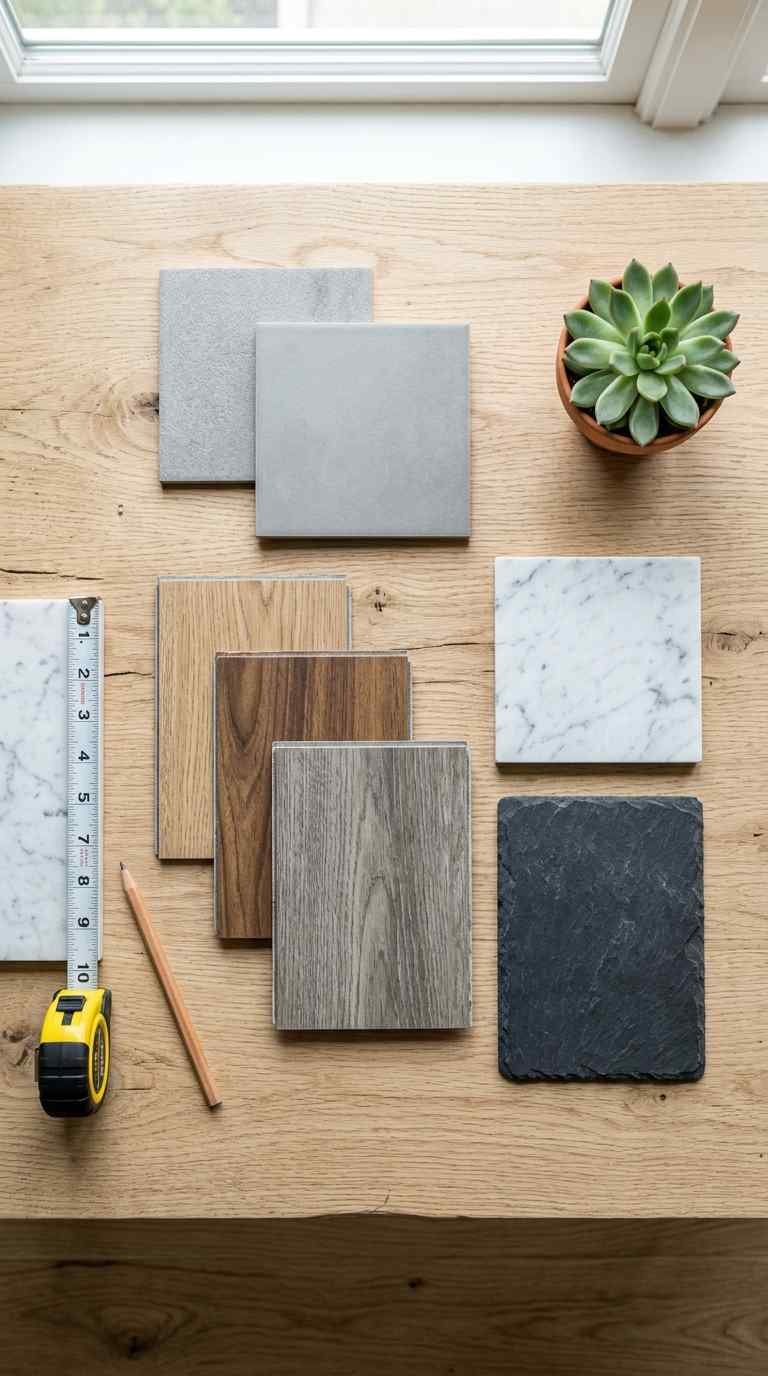
Enough material talk. Here’s how to land on the right answer for your bathroom without spiraling into a six-week research hole.
Start with these four questions
1. Which bathroom is it? A busy family bathroom with a tub needs bulletproof waterproofing porcelain or LVP, full stop. A guest powder room with just a sink? You can flirt with riskier, prettier materials
2. Who’s using it? Kids splash. Elderly family members need slip resistance above all else look for tiles with a DCOF rating of 0.42 or higher, or choose textured vinyl. Pets with claws favor porcelain or thick-wear-layer vinyl.
3. What’s your real budget? Not the fantasy number the actual one, including installation. Rough installed costs per square foot: sheet vinyl ($3–$6), LVP ($4–$10), ceramic tile ($8–$18), porcelain ($10–$22), natural stone ($15–$50+).
4. Who’s installing it? If it’s you, vinyl plank is your friend. If you’re hiring out, tile’s complexity matters less and its longevity pays off.
Three mistakes that cost people real money
Skipping the waterproofing layer. The flooring isn’t the whole system. A proper bathroom install includes a waterproof membrane or underlayment beneath the finish floor. Contractors sometimes skip it to shave costs. Don’t let them.
Choosing glossy tile. Polished surfaces look stunning in the showroom and become an ice rink the first time someone steps out of the shower. Matte or textured finishes only.
Ignoring the transition. Where your bathroom floor meets the hallway floor, height differences and gaps create trip hazards and moisture entry points. Plan the transition strip before installation day, not during it.
Would I personally pick tile or vinyl if I were renovating tomorrow? Honestly, it depends on the room. Main bathroom with a shower the whole family uses: heated porcelain, no hesitation. Basement half-bath or a rental unit: LVP, and I’d pocket the savings without a shred of guilt. 🙂
FAQ’s
Is luxury vinyl plank really waterproof enough for a full bathroom?
Yes quality LVP is 100% waterproof, making it excellent bathroom flooring when seams and edges are properly sealed.
How often should I reseal grout on a tiled bathroom floor?
Reseal grout every 12–24 months, or sooner if water stops beading on the grout lines.
What’s the safest bathroom flooring for elderly family members?
Textured vinyl or matte porcelain tile with a DCOF rating of 0.42+ offers the best slip resistance.
Can I install new bathroom flooring over my existing floor?
Often yes VP and sheet vinyl install over flat, stable existing floors; tile usually needs removal first.
Which bathroom flooring adds the most resale value?
Porcelain tile consistently adds the most value buyers view it as the premium, longest-lasting bathroom flooring choice.
CONCLUSION
Bathroom flooring comes down to a simple hierarchy: waterproofing first, safety second, comfort third, looks fourth. The magic is that in 2026, you rarely have to sacrifice one for another. Porcelain tile gives you decades of durability and the best resale story. Luxury vinyl gives you warmth, easy installation, and full waterproofing at a friendlier price. Stone gives you unmatched beauty if you’re willing to maintain it. And wood real wood belongs almost anywhere except the room where you shower.
Whatever you choose, spend the extra on proper installation and waterproofing underneath. A mid-priced floor installed perfectly will outlast a premium floor installed carelessly, every single time.
Your bathroom floor gets stepped on before you’ve had coffee and after your worst days. It deserves to be the one decision in your renovation you never think about again because it just quietly, reliably works.