
corner sofa
By Anna Grace | 11 feb 2026
How to Choose the Perfect Corner Sofa for Your Space
Your living room’s layout just got a major renovation except you haven’t bought anything yet. If you’ve ever stood in your living space and realized two separate seats weren’t cutting it, a corner sofa might be the answer you didn’t know you were looking for.
Here’s the thing a corner sofa isn’t just a seating upgrade, it’s a spatial game-changer. Unlike traditional couches that demand an entire wall, corner sofas slide into forgotten corners and angles, transforming wasted space into genuine comfort. Whether you’re working with a compact apartment or a sprawling living area, these configurations offer flexibility that most furniture can’t touch.
The numbers back this up too. Homes with corner seating configurations report higher satisfaction rates with their layout than those with traditional setups. Part of that comes down to sheer practicality you’re getting 40–50% more seating surface without increasing your room’s footprint. Another part is psychological. A corner sofa feels intentional, like your space was designed rather than furnished by default.
Why Corner Sofas Have Become Everyone’s Go-To

The rise of corner sofas reflects something real about how we live now. Open-plan homes, smaller urban apartments, and the need for multi-functional spaces mean we can’t afford to waste a single square foot. A corner sofa handles this brilliantly it claims the awkward L-shaped void in your room and turns it into the main event.
Beyond pure function, there’s also the social angle. More people sitting together actually changes how a space feels. Instead of everyone lined up like they’re at a movie theater, a corner configuration naturally creates conversation clusters. You get better sightlines, easier interaction, and honestly, it just feels cozier.
The style industry caught on too. What used to be a purely practical choice is now trendy enough that designers actively recommend corner sofas as a stylistic statement, not just a workaround.
There’s also a generational shift happening. Younger homeowners and renters prioritize flexibility and adaptability over matching bedroom sets or formal dining suites. A corner sofa delivers both without requiring a design degree. You can swap it for something else later without guilt, and it works in virtually any aesthetic whether you’re leaning coastal, industrial, maximalist, or “organized chaos.”
The furniture industry noticed. Major retailers now dedicate entire showrooms to corner configurations because demand outpaces other seating styles by a significant margin. Delivery logistics have improved, customization options have expanded, and prices have become more competitive across different budget tiers.
Size Matters More Than You’d Think
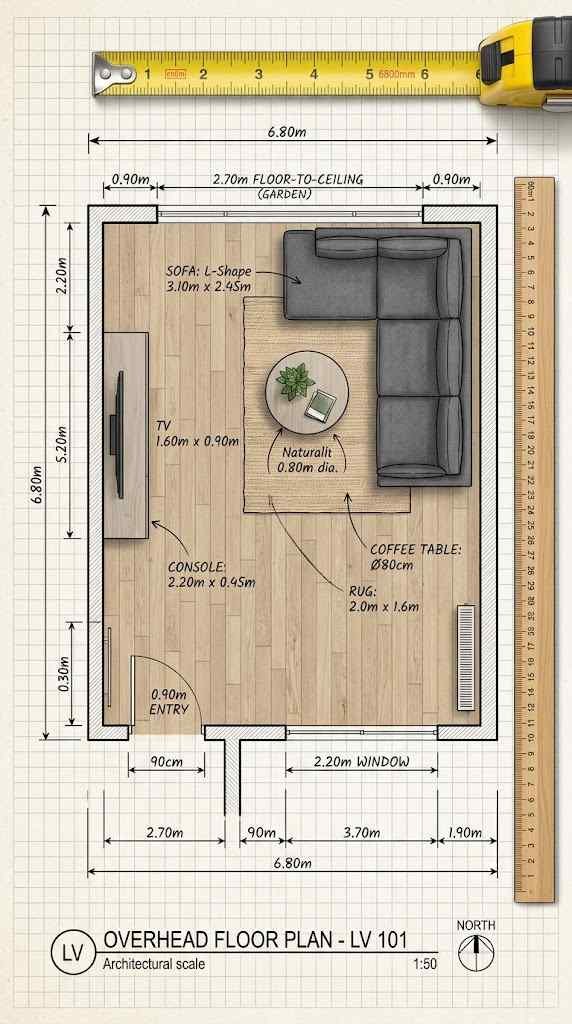
Before you fall in love with a corner sofa online, you need to get real about your room’s dimensions. Measuring twice (or three times) prevents months of regret.
Start by identifying which corner you’re targeting. An L-shaped configuration typically needs at least 8–10 feet of wall space on one side and 6–8 feet on the other but this varies wildly depending on the exact model. Some compact corner units fit into tight spaces; others are built for living rooms that can actually breathe.
Here’s where people mess up they eyeball it. Your brain’s sense of proportion lies constantly. Use actual measurements, string, or even cardboard cutouts to map out the footprint. Sketch it on paper or snap a photo with reference points. This small step kills surprises like “the sofa won’t fit through the doorway” or “it blocks the entire hallway.”
Also consider depth. Corner sofas often protrude further into a room than traditional sofas, which matters if foot traffic runs through your space. FYI, some models have reversible configurations, meaning you can flip which direction the chaise extends huge if you’re not committed to a fixed layout.
One thing many people overlook: doorway width. Your corner sofa won’t help much if it can’t physically enter your apartment. Most units require 32–36 inches of clearance, though some modular pieces ship in separate boxes and assemble on-site a genuine advantage if you’re navigating narrow hallways or stairwells.
Ceiling height plays a subtle but real role too. A sofa with high, voluminous arms can make low-ceilinged rooms feel cramped. Conversely, a lean, minimalist frame in a cavernous loft might look undersized. Walk through your space mentally from all angles. Does it feel like the sofa will anchor the room or dominate it?
Picking the Right Material (It’s More Important Than Color)
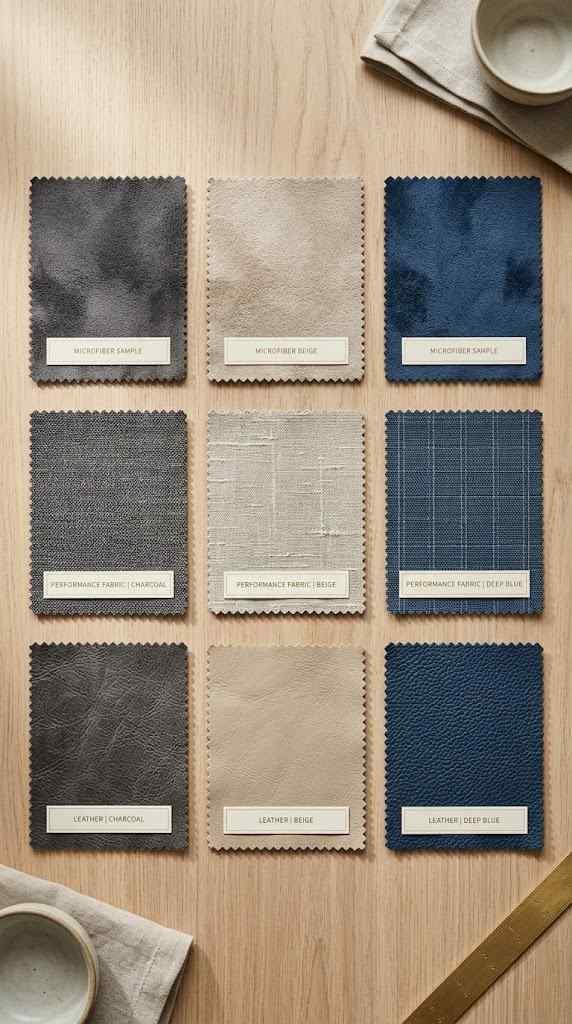
Once you know it’ll fit, the material decision determines how long you’ll actually want it in your home. This is where most people get it backwards they obsess over color when they should be obsessing over durability and cleanup.
Fabric corners sofas offer warmth and variety, but they demand honesty about your life. Do you have pets? Kids? A tendency to spill things while watching Netflix? If yes, you need performance fabrics that laugh in the face of stains. Microfiber, crypton-treated upholstery, and outdoor-grade fabrics have improved dramatically and don’t feel cheap anymore.
Leather sounds luxurious, and it is until you realize how much maintenance it needs. Real leather ages beautifully but requires conditioning. Faux leather looks sharp, hides stains better, and costs less, though it won’t develop that lived-in patina some people love.
Sectional corners in performance materials have become genuinely appealing to people who want style without sacrificing functionality. Don’t assume you’re settling if you go this route; modern performance fabrics look indistinguishable from standard upholstery.
Temperature and climate matter more than you’d think when choosing material. In hot, humid regions, breathable fabrics prevent that sticky, uncomfortable feeling. In cold, dry climates, leather cracks more easily and needs extra conditioning. Performance fabrics designed for outdoor use actually shine indoors in either extreme because they’re built to withstand environmental stress.
Cleaning frequency also shifts your material choice. If you’re vacuuming weekly with pets or kids, microfiber traps less dust than natural linen or cotton. Leather can be wiped down quickly no scrubbing required but shows fingerprints and dust more visibly. Think about your actual lifestyle maintenance habits, not the idealized version where everything stays pristine.
Configuration Options: More Flexibility Than You’d Expect
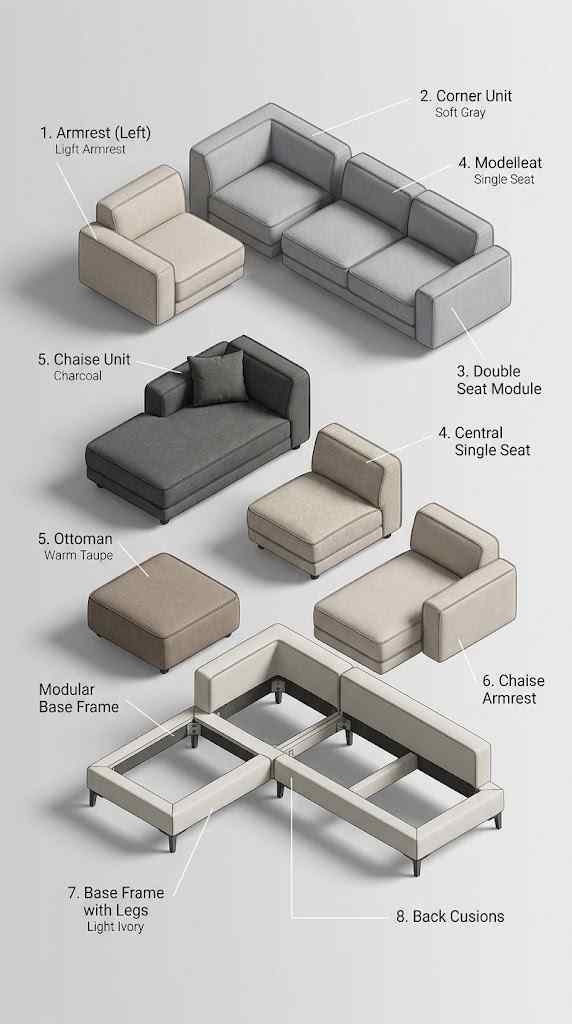
The beauty of a corner sofa setup is how adaptable it can be. Some pieces come as fixed L-shapes, while others let you mix and match modular components. This flexibility matters because your needs change.
If you’re renting or expect to move, modular sections win. You can reconfigure them for different wall layouts or even separate them into individual pieces if needed. It’s basically furniture insurance.
Some corner sofas include storage underneath critical if you’re working with limited closet space or need a hidden spot for blankets and pillows. Others feature built-in recliners or power mechanisms that add comfort but also complexity and cost.
Check whether the chaise extends to the left or right naturally based on your room layout. Some companies offer reversible options, but not all do. This detail sounds minor until you’re stuck with a configuration that doesn’t work.
Another consideration: whether you want a chaise lounge attached to your corner sofa or separate. Attached chaises feel cohesive and save space, but they’re permanent. Detached configurations let you move the chaise elsewhere for lounging, reading, or even rotating into another room as needs shift. Some sofas offer both you purchase the chaise separately and attach it only when you want it.
Storage-equipped corners are genuinely life-changing in smaller homes. Lift-top mechanisms reveal compartments perfect for seasonal blankets, board games, or extra pillows. End tables with hidden storage serve similar functions while maintaining aesthetic cleanliness. These features cost more upfront but pay dividends in usable square footage.
Making It Work With Your Décor
A corner sofa becomes the visual anchor of your room, so it should align with your overall aesthetic but not disappear into it. The best corner sofas create balance, not competition.
Neutral tones (gray, charcoal, beige, taupe) pair with almost everything and feel timeless. If you’re someone who refreshes décor seasonally, neutrals buy you flexibility. Throw pillows, blankets, and accessories do the heavy lifting for personality without requiring a whole new sofa.
Bold colors or patterns demand commitment but reward confidence. A deep blue or forest green corner sofa becomes a statement piece that influences everything else in the room. This works brilliantly if you have a clear vision, but it’s riskier if you change your mind frequently.
Don’t forget legs and base style. Low, minimalist frames read modern. Turned wooden legs feel traditional. Metal feet suit industrial spaces. These details shift how a sofa feels within your broader design scheme.
Your room’s lighting dramatically influences how a corner sofa’s color reads. A charcoal gray looks sophisticated under cool white LED bulbs but moody under warm amber lighting. Test fabric samples in your actual space under different times of day before committing. Retailers sometimes loan swatches or samples use this opportunity mercilessly.
Mixing textures becomes easier with a neutral corner sofa. Pair it with a coarse jute rug, smooth wooden side tables, soft throw blankets, and shiny metallic accents. This layering creates visual interest without clashing or feeling chaotic. Your sofa becomes the stable base; everything else adds personality.
The Investment Equation
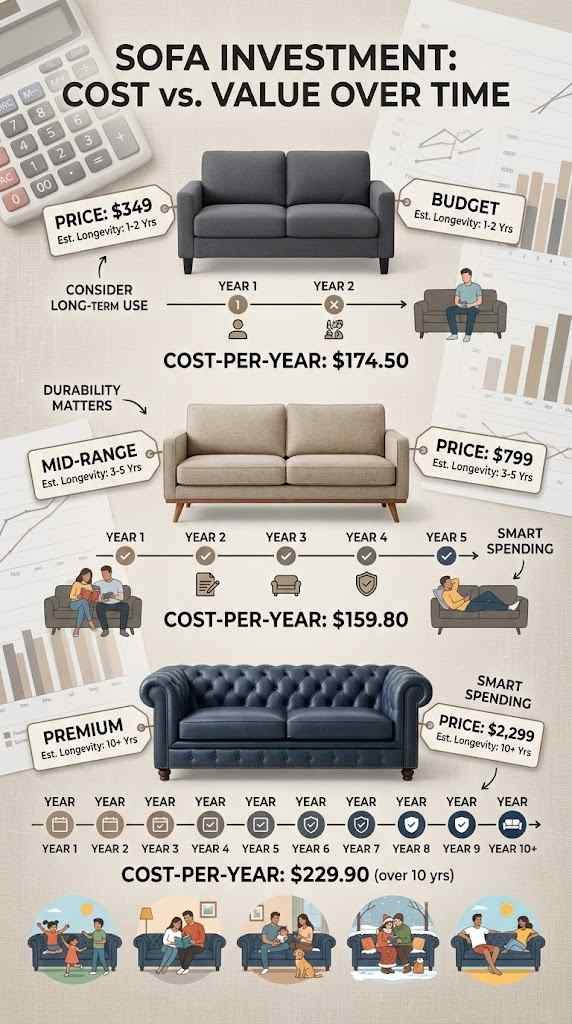
Good corner sofas range from $1,500 to $5,000+ depending on size, materials, and brand. That’s not pocket change, but you’re getting multiple seats in one piece, which actually spreads the cost-per-seat pretty efficiently.
Budget options exist, but they often sacrifice comfort or durability. Mid-range options hit the sweet spot for most people solid construction, decent materials, reasonable pricing. Premium pieces offer superior comfort and longevity, which matters if you plan to keep the sofa for 7+ years.
Consider total value, not just initial cost. A $3,000 sofa that lasts a decade costs $300 per year. A $1,200 budget option that needs replacement in 4 years costs $300 per year too except you also dealt with the hassle of replacing it twice. Better construction and materials genuinely pay off over time.
Warranty coverage varies wildly and often determines real value. Some budget brands offer 1-year coverage on manufacturing defects. Mid-range sofas typically include 3–5 year warranties. Premium pieces sometimes feature 10-year structural guarantees. A comprehensive warranty becomes your safety net it covers unexpected spring failure, frame cracks, or zipper issues without pulling money from your pocket again.
Financing options have democratized corner sofa ownership too. Interest-free payment plans from retailers make higher-quality pieces accessible without saving for months. Calculate whether spreading $3,000 across 24 months (roughly $125/month) fits your budget better than paying upfront. Some people have liquidity constraints; financing removes that barrier entirely.
FAQ’s
Can corner sofas fit through standard doorways and apartments?
Most corner sofas require 32–36 inches of doorway clearance, but modular pieces ship separately and assemble on-site, working better for tight spaces.
How often do I need to clean a corner sofa based on the material type?
Performance fabrics need weekly vacuuming with pets; leather wipes clean; natural fabrics benefit from monthly deep cleaning or spot treatment.
Are L-shaped corner sofas worth the higher price compared to two separate couches?
Yes! corner sofas cost 30–40% less per seat, save floor space, and create better conversation layouts than separate furniture pieces combined.
Can I change the chaise direction on a corner sofa after purchase?
Only if you buy a reversible model. Fixed configurations lock the chaise permanently, so verify directional flexibility before ordering your corner sofa.
What’s the realistic lifespan of a mid-range corner sofa under regular family use?
Mid-range quality sofas typically last 7–10 years with normal wear, though premium frames and materials extend longevity to 12+ years reliably.
CONCLUSION
A corner sofa is one of those purchases where deliberation actually pays off. You’re buying something that will occupy physical and visual space in your home for years, so rushing doesn’t make sense.
Sit on them in person if possible. Online photos lie about comfort. Check return policies carefully good retailers offer 30–60 day trial periods. Read actual owner reviews, especially from people with similar lifestyles (renters, pet owners, large families).
The right corner sofa doesn’t just fit your space; it improves how you actually use that space. It invites people to stay longer, creates natural gathering points, and solves the perpetual puzzle of modern living room layouts.
Your room’s awkward corners aren’t wasted potential they’re just waiting for the right piece to claim them.
One honest truth: the first 72 hours in your home reveal whether a sofa truly works. That’s when the honeymoon phase wears off and you see if the placement kills traffic flow, if the depth throws off your room’s proportions, or if the color clashes harder than you thought. Reputable retailers understand this and offer risk-free trial periods. Use them without guilt there’s zero shame in sending something back.