
cottage core kitchen
By Anna Grace | 4 feb 2026
Building a Cottage Core Kitchen Without the Pinterest Fail-Real Design Meets Real Life
Your Pinterest board is obsessed with it. Your mom just sent you another aesthetic photo. But here’s what nobody talks about: most cottage core kitchens people showcase online are one broken cabinet handle away from chaos. The cottagecore aesthetic is stunning all those soft tones, open shelving, vintage finds, and that feeling of being nestled in some English countryside. The problem is, it’s easy to confuse “charming” with “dysfunctional.”
This is where the magic happens, though. When you actually nail the cottage core kitchen, you get a space that isn’t just Instagram-worthy it’s genuinely a place you want to be. A space that feels lived-in, warm, and somehow makes you want to bake bread you’ll definitely burn, but at least it’ll look good while you do it. 🙂
Let me walk you through what makes a cottage core kitchen work in real life, not just in photos.
What Cottage Core Kitchen Design Actually Means
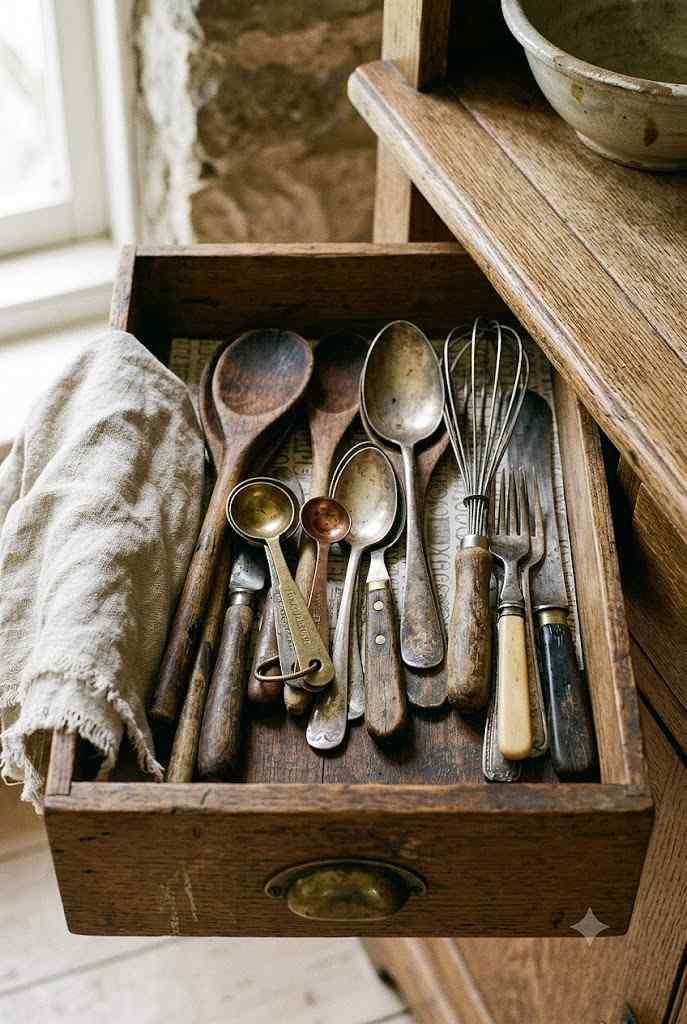
Cottage core or “cottagecore,” depending on who you ask is basically a romanticized version of rustic, countryside living translated into your home. For kitchens, it means combining vintage elements, natural materials, soft color palettes, and a “less is more” philosophy (even though your shelves will be pretty packed, tbh).
The thing that separates cottage core from other rustic or farmhouse aesthetics is the intentionality. Farmhouse kitchen design can feel a bit sterile. Cottage core feels like you inherited your grandmother’s kitchen, kept the good stuff, and made it yours. Every item should have a story, or at least feel like it could. Your mismatched plates aren’t a mistake they’re a design choice.
The key difference? Cottage core embraces imperfection. Chipped mugs, worn cutting boards, mismatched linens these aren’t flaws you’re hiding behind farmhouse chic whitewashing. They’re features.
The whole point of going cottage core is that you’re rejecting the “matching set” mentality. Your grandmother didn’t walk into a store and buy “A Complete Cottage Core Kitchen Collection.” She accumulated pieces over decades. Some were gifts, some were thrifted before thrifting was trendy, some were passed down. That randomness? That’s the soul of the aesthetic.
Modern design culture has conditioned us to believe everything should coordinate perfectly. But cottage core kitchens lean into the opposite philosophy. A cream-colored enamelware pot next to a sage green mixing bowl next to a vintage copper saucepan feels right precisely because it’s not a coordinated set. These pieces have history. They tell stories you might not even know the full version of.
Design Elements That Actually Create the Vibe
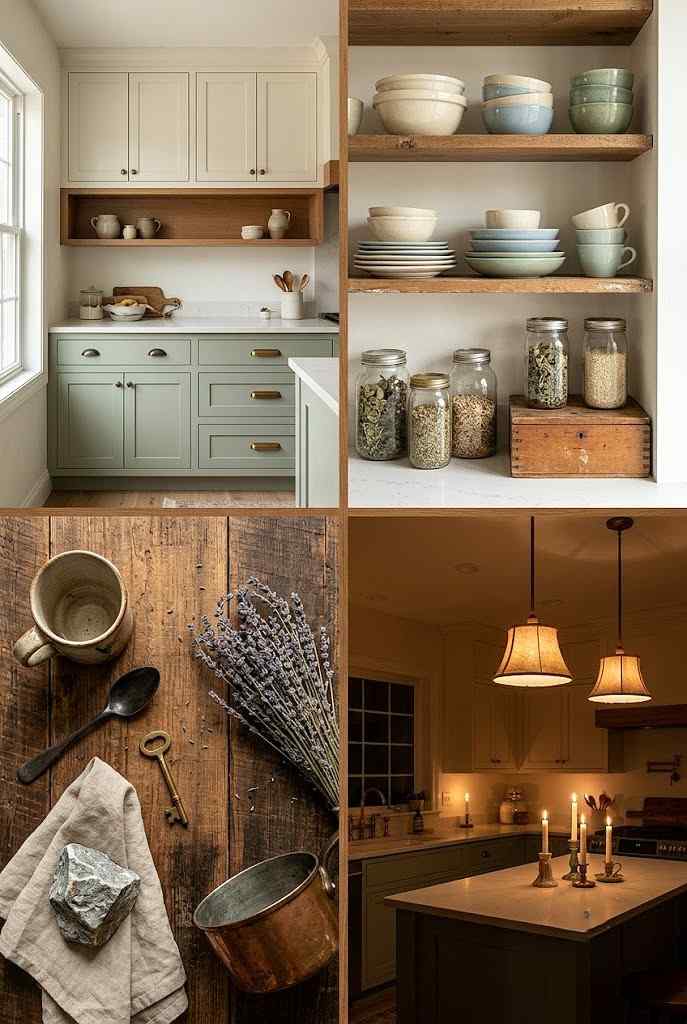
If you’re building a cottage core kitchen from scratch, these elements are your foundation:
Color palette and finishes. Think creams, soft greens, muted blues, warm whites, and earthy browns. Your walls don’t need to scream; they should whisper. Avoid anything too bright or modern-white. We’re aiming for “walls in an old country cottage,” not “tech startup breakroom.” IMO, soft sage green on one accent wall with cream cabinetry creates the perfect tension between cozy and sophisticated.
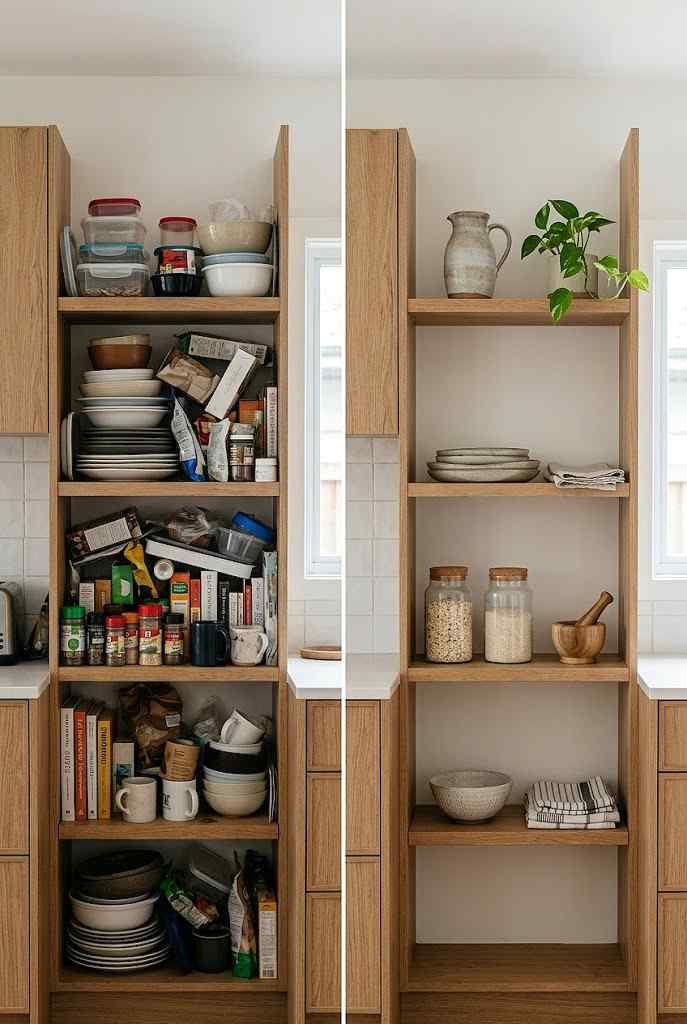
Open shelving (done right). This is where most people stumble. Open shelves work in cottage core kitchens, but your plates and bowls need to be things you’d actually want people to see. Mismatched ceramics? Perfect. Plastic storage containers? Hide those. The goal is to display items that look good and serve a purpose. Clutter disguised as aesthetic doesn’t fool anyone.
Materials that feel old. Wood is your best friend here think reclaimed or distressed finishes for your shelving and cabinetry. Stone countertops (or convincing laminate alternatives if you’re on a budget), ceramic tiles, wrought iron hardware, and brass fixtures all work. Avoid anything too polished or chrome. If it looks like it came from a designer showroom last month, it doesn’t belong.
Lighting that doesn’t scream modern. Pendant lights with fabric shades, vintage-looking ceiling fixtures, or even simple candles work better than sleek track lighting. Your cottage core kitchen should glow softly, not glare at you.
Here’s something people miss: texture is doing half the work in a successful cottage core kitchen. While color sets the mood, texture makes it feel real and touchable. That’s why genuine wood (even if it’s stained or distressed) outperforms painted MDF or laminate. Your eye and hands recognize the difference, even if you can’t quite articulate why something feels “off.”
The same applies to your backsplash and countertop selections. Real ceramic or stone carries warmth that laminate can’t replicate, no matter how well the pattern is printed. If budget forces you toward laminate, choose patterns that don’t try to trick you into thinking they’re something else. A simple cream or soft blue solid is infinitely more cottage core than a laminate that’s aggressively mimicking marble or granite.
Hardware deserves its own mention because it’s wildly underestimated. Switching cabinet handles from generic silver to warm brass, wrought iron, or vintage-style ceramic can shift your entire kitchen’s personality. These small details catch light differently, create visual rhythm, and set a tone. Ornate brass pulls feel more historical and curated than sleek modern handles. Ceramic knobs with hand-painted details whisper “homemade” and “intentional” in the best way.
Making It Functional (Because You Actually Cook Here)
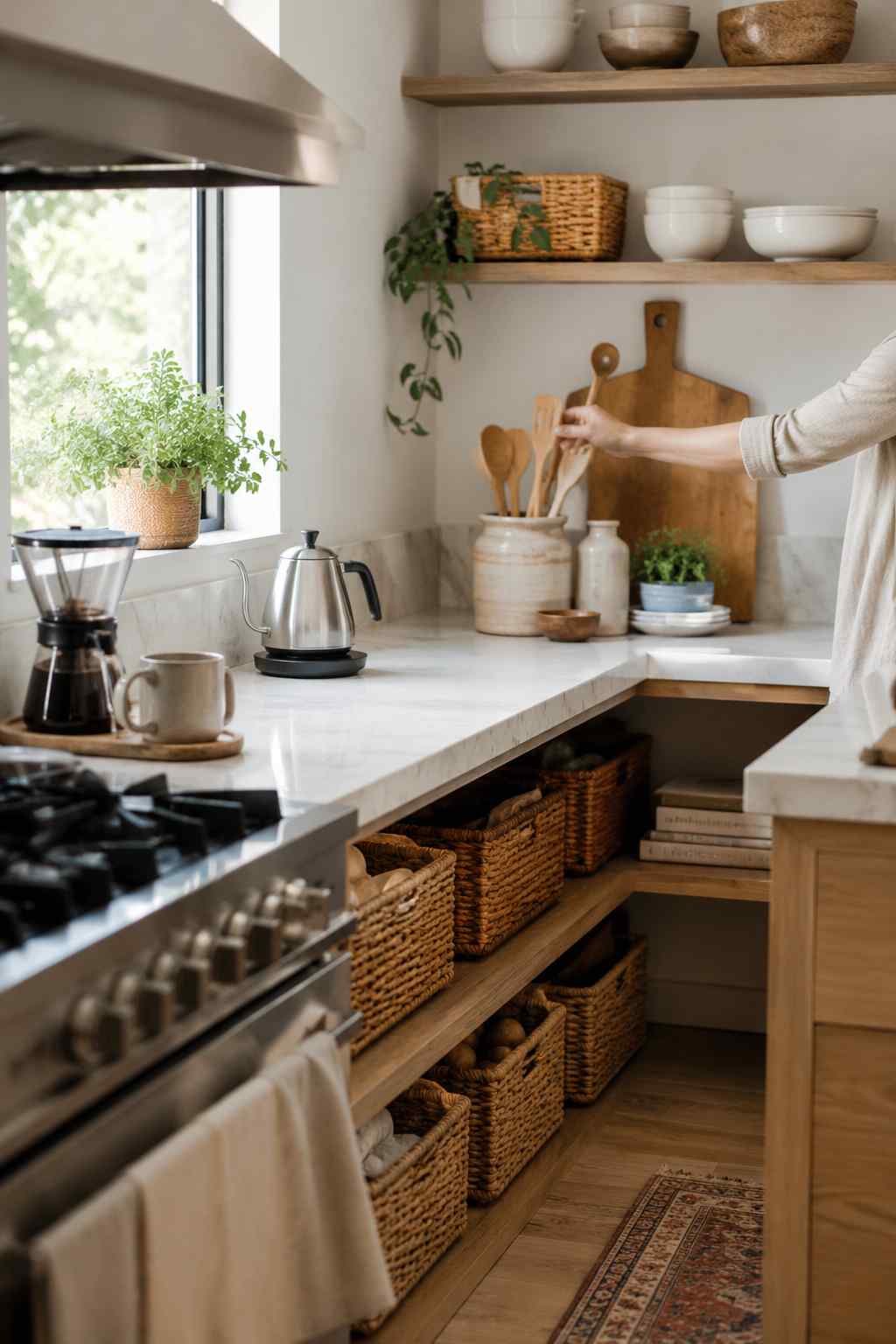
Here’s what separates a true cottage core kitchen from a museum exhibit: it has to work. Your aesthetic doesn’t matter if you can’t find your spatula in two seconds flat.
The solution? Hidden organization. Drawer dividers that look vintage or come in natural materials. Baskets under open shelves that actually match your design. Labels written in calligraphy on jars okay, they don’t have to be calligraphy, but if you’re going for cottagecore, at least make them look intentional. Store your appliances in cabinets if they’re modern-looking. Your KitchenAid mixer might be pretty, but sleek stainless steel breaks the vibe.
One thing I learned the hard way: don’t sacrifice counter space for aesthetics. I know every surface looks better when it’s bare, but if you can’t actually work, you won’t use your kitchen. Keep frequently used items accessible. Your coffee setup, cutting board, and go-to pans shouldn’t require an archaeological dig every morning.
Workflow matters too. Make sure your prep area flows naturally, your stove isn’t a million miles from your sink, and you can actually open cabinet doors without bumping into your kitchen table. Practicality might not be as fun as planning the perfect open shelf, but it’s what you’ll appreciate at 6 p.m. on a Tuesday.
Storage hierarchy is your invisible secret weapon. Zone your kitchen into three circles: frequently used (every day), occasionally used (weekly-ish), and seasonal/special occasion (holidays, entertaining). Your daily items live in the most accessible spots no reaching to the back of high shelves or digging through deep drawers. This isn’t about sacrificing aesthetics; it’s about respecting how humans actually move through a space.
Your prep zone deserves specific attention. Whether that’s a section of counter or your island, it should be clear enough to lay out ingredients before you start cooking. Clutter in your work zone isn’t cozy it’s stressful. A small wooden cutting board, a ceramic bowl for prep ingredients, and your most-used utensils should live within arm’s reach of your stove. Everything else can look beautiful on open shelves or tucked in drawers.
Vertical space matters more than you’d think. Wall-mounted magnetic strips for knives (stainless steel strips feel more cottage-appropriate than plastic), hanging shelves for everyday ceramics, or simple hooks for linens and aprons all serve double duty: they look intentional and they free up valuable counter and cabinet real estate. Your kitchen doesn’t need to feel cramped to feel cozy.
One real-world consideration: ventilation and steam. Open shelving looks dreamy until you realize steam from boiling pasta is coating your carefully styled plates. Position your shelves away from direct heat and steam sources, or be prepared to dust and wipe more frequently. It’s doable, just not maintenance-free.
Achieving Cottage Core on a Real Budget
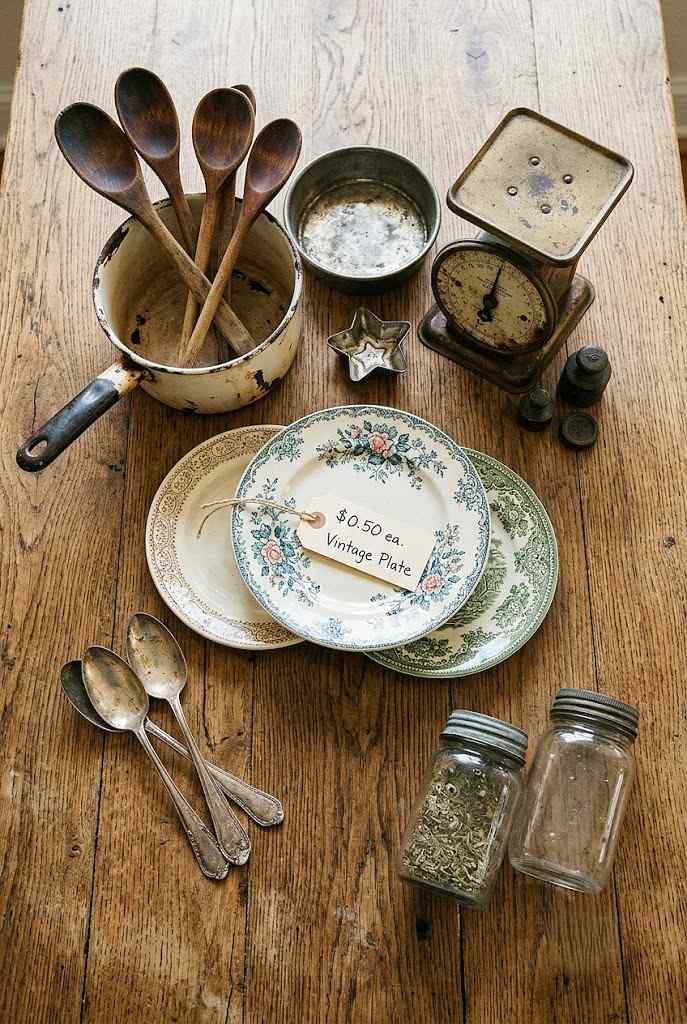
You don’t need deep pockets to build this aesthetic. Honestly, some of the best cottage core kitchens exist in homes where people had to get creative because they didn’t have unlimited funds.
Thrifting is your secret weapon. Charity shops, estate sales, and online marketplaces have endless vintage ceramics, cutting boards, utensils, and small appliances. Mix and match your dishes this isn’t a bug, it’s a feature. Wooden spoons, vintage scales, old baking molds, and antique-looking containers all cost pennies compared to buying new “cottagecore collections” from mass-market brands.
Paint existing cabinets instead of replacing them. A fresh coat of soft cream or sage can transform standard kitchen cabinets into something that feels cottage-inspired. Add new hardware vintage or vintage-looking pulls and knobs change the entire character without breaking the bank.
DIY your open shelving. Simple wooden shelves mounted with bracket hardware cost a fraction of custom cabinetry. Stain or paint them to match your palette. Done.
For countertops and backsplash, solid colors and simple patterns work better than trendy designs. White subway tiles with grout that’s not too perfect? Chef’s kiss for cottage core. A solid butcher block? Also wonderful. You’re not trying to impress with complexity simplicity is where cottagecore thrives financially and aesthetically.
The thrifting game is genuinely its own skill. You’re looking for items that are vintage or vintage-looking, in good condition (or with charm-appropriate wear, not damaged), and priced like thrifted items not like the seller thinks they’re running a vintage boutique. The best hauls come from knowing which shops to haunt regularly and building relationships with staff who’ll text you when something perfect arrives.
Online platforms offer different hunting grounds. Facebook Marketplace, Craigslist, and Etsy (if you stretch your budget a bit) have endless cottage core finds. Estate sales are goldmines if you’ve got the stamina for early morning hunting. You might find vintage kitchen scales, enamelware, old recipe boxes, or unique serving pieces for pennies.
For items you can’t source secondhand, brands like Anthropologie, West Elm, and even Target now carry cottagecore-adjacent pieces that won’t destroy your budget. Handmade items from Etsy artisans ceramic dishes, wooden serving boards, linen towels often cost less than you’d expect and feel infinitely more authentic than mass-produced “cottage core collections.” Yes, paying slightly more for one handmade ceramic bowl beats buying five cheap versions that all feel hollow.
Paint quality matters more than paint quantity. One really good coat of quality paint beats two coats of cheap paint that chips within a year. Benjamin Moore, Sherwin-Williams, and similar brands have washable, durable finishes designed for kitchens. Your cabinet refresh needs to last or it’ll look sad, not charming.
The Mistakes That Kill the Vibe
Want to know what actually ruins a cottage core kitchen? Ignoring these pitfalls:
Overdoing the collections. Your vintage plates are great. Your collection of 47 vintage plates? That’s hoarding with a design filter. Edit ruthlessly. Every item should earn its spot.
Mixing too many aesthetics. Cottage core doesn’t live well with industrial-chic, ultra-modern, or maximalist clutter. Pick your lane. Yes, you can blend in some elements, but if 60% of your kitchen is cottagecore and 40% is something else, it reads as confused.
Ignoring your lifestyle. If you live with three kids and a dog, picture-perfect open shelving isn’t realistic. Adapt the aesthetic to work for your actual life, not the other way around. Maybe you need more closed storage. That’s fine get doors that match the cottagecore vibe.
Using fake or cheap accessories. There’s a difference between budget-conscious and cheap-looking. Plastic “vintage” items fool no one. Thrifting or buying quality reproductions costs about the same as fake knick-knacks anyway.
Forgetting about maintenance. Open shelves get dusty. Natural wood stains. Plants need sunlight. If you’re not willing to care for the aesthetic you’re building, don’t build it.
Lighting mistakes are surprisingly common and weirdly fixable. If your cottage core kitchen has harsh overhead fluorescent lighting that you blast on every evening, the entire mood collapses. Even renter-friendly solutions like stick-on LED strips hidden behind cabinets or plugged-in pendant lights can transform the space for under $50. Your lighting should glow, not shine. There’s a massive difference.
Appliance visibility is another frequent misstep. Your modern stainless steel refrigerator or sleek induction cooktop might be efficient and beautiful in a contemporary kitchen, but they’re visual anchors that break the cottage core narrative. If you can’t replace them yet, containment strategies work a fabric panel in front of the fridge (temporary but effective), or at least positioning them so they’re not the first thing your eye lands on when you enter the room.
The “inspiration grid” trap deserves mention too. Your cottagecore kitchen doesn’t need to look exactly like every Instagram account and Pinterest board you follow. Actually, it shouldn’t. The best cottage core kitchens are personalized. Your life is different from someone else’s. Your budget is different. Your style preferences might lean slightly different directions. A cottage core kitchen that reflects your actual taste beats a replica of someone else’s space every single time.
FAQ’s
How do I keep cottage core kitchen shelves clean and dust-free without them looking too staged?
Dust weekly with a soft cloth, rotate items occasionally for visual freshness, and accept that lived-in patina adds authenticity perfection defeats the purpose entirely.
Can I have a cottage core kitchen if I use modern appliances like air fryers and espresso machines?
Absolutely, store them in cabinets or corner positions out of direct sight lines, letting cabinetry style take visual priority over contemporary kitchen gadgets.
What’s the best budget-friendly alternative to reclaimed wood for cottage core shelving?
Stain new pine or softwood to look weathered, distress edges lightly, and pair with vintage brackets for authentic appearance at fraction of reclaimed pricing.
How do I balance open shelving with the practicality of keeping things clean and accessible?
Display items you actually use regularly, store duplicates in cabinets, cover shelves with simple linen if dust bothers you, and edit your collections ruthlessly.
Is it possible to have a small cottage core kitchen, or does the aesthetic require lots of space?
Compact cottagecore kitchens work beautifully with vertical storage, minimal clutter, carefully chosen vintage finds, and strategic use of open shelving above counters
CONCLUSION
Building a cottage core kitchen is less about following rules and more about creating a space that makes you feel something. It should feel inviting like the kind of kitchen where friends linger longer than planned because they actually want to be there.
The best cottage core kitchens aren’t perfectly styled. They’re the ones where the aesthetic supports how you actually live, not the other way around. They’re messy in the right ways. Organized in the invisible ways. Beautiful because they’re genuine.
Start small if you’re new to this. Add a few thrifted pieces. Paint an accent wall. Hunt for vintage hardware. Let your space evolve naturally. The cottage core kitchens that last aren’t built overnight they’re built intentionally, one piece at a time, by people who actually like spending time in them.
Your kitchen should feel like home. Not someone else’s Pinterest home. Yours.