
dopamine bedroom
By Anna Grace | 9 April 2026
How Dopamine Bedroom Design Actually Affects Your Mood
Why Your Bedroom Is Basically A Mood Laboratory
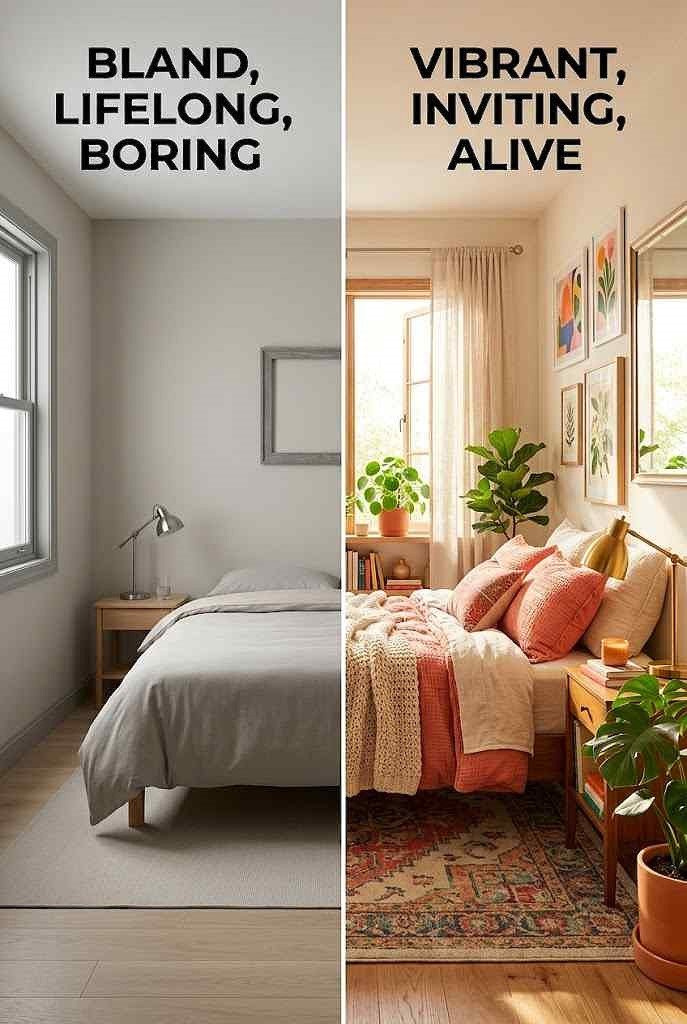
Your bedroom walls might be silently sabotaging your happiness right now, and you probably haven’t noticed. That beige paint job you thought was “neutral and calming”? It’s actually training your brain to feel… nothing. Meanwhile, dopamine the neurotransmitter that makes you feel motivated, happy, and genuinely alive hits differently when you’re surrounded by intentional color, texture, and design elements that actually spark joy.
The dopamine bedroom trend isn’t some Instagram aesthetic fantasy. It’s rooted in how your brain processes visual information. When you enter a space filled with warm colors, interesting patterns, and thoughtful details, your dopamine levels literally rise. This isn’t mystical; it’s neuroscience. Your environment shapes your neurochemistry, and your neurochemistry shapes how you wake up, how you sleep, and how you feel about the hours you spend between your sheets.
I redesigned my own bedroom last year after spending months in what I now call “sad apartment gray,” and the shift was noticeable within a week. Not in a placebo wayI genuinely had more energy in the mornings and felt less resistant to going to bed at night.
Beyond just aesthetics, your bedroom’s design influences your sleep quality, which then cascades into everything else. Poor sleep tanks dopamine production, so you end up in a cycle where a depressing room keeps you sleeping poorly, which keeps dopamine low, which makes you not care about fixing the room. Breaking that loop by intentionally designing your space is essentially hacking your own biology.
The relationship between environment and neurochemistry isn’t one-directional either. Yes, a beautiful room boosts dopamine, but boosted dopamine also makes you want to maintain and spend time in that space. It becomes self-reinforcing. You feel better, so you engage more with your environment, so it stays nice, so you feel better again.
The Colors That Actually Move the Needle
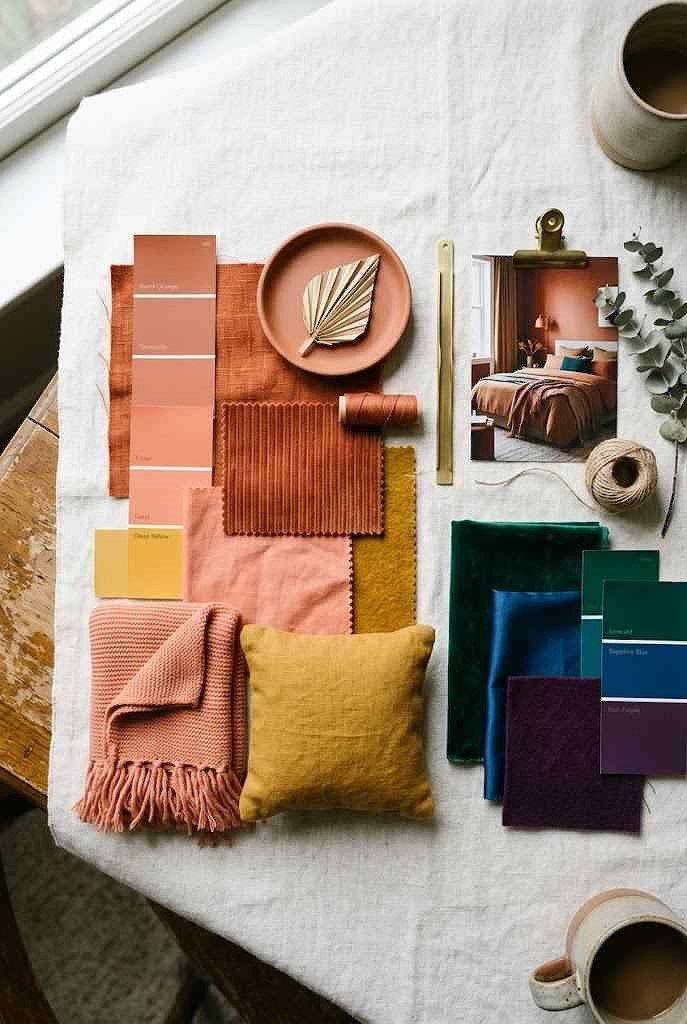
Let’s cut through the design-speak: not all colors trigger dopamine equally, and the ones that do depend partly on your personal associations. That said, certain hues consistently light up people’s brains in research settings.
Warm colors like coral, terracotta, burnt orange, and deep yellow activate your brain’s reward centers. These aren’t aggressive or overstimulating when used thoughtfully they’re energizing without being exhausting. A coral accent wall or a rust-colored throw blanket creates visual interest that your brain actually wants to engage with.
Deep jewel tones like emerald, sapphire, and rich purple work differently. They feel luxurious and grounding at the same time. IMO, these are perfect if you want dopamine without sacrificing the calm-before-sleep vibe you need from a bedroom.
Skip the beige-and-gray minimalism if you’re chasing mood improvement. Neutral doesn’t mean no color it means intentional restraint. Maybe your walls are soft cream, but your bedding, art, and accessories carry the dopamine load. 🙂
What colors make you feel genuinely good when you see them? Forget what’s trendy. Start there.
Color psychology gets oversimplified a lot, but the science is real. Warm colors increase heart rate and create a sense of stimulation (in a good way), while cool colors calm your nervous system. For a dopamine bedroom specifically, you’re not trying to sedate yourself you’re trying to create a space that feels alive and welcoming.
The trick is balance. An entire room painted vibrant coral will overwhelm you; it’ll feel chaotic instead of joyful. Instead, use warm colors strategically: one accent wall, significant furniture pieces, or textiles that anchor the space. Let the warm hues do the dopamine work while neutral backgrounds give your eye rest. This way you get the mood boost without sensory overload, especially important since your bedroom is also your sleep sanctuary.
If you’re nervous about committing to color, start with easily changeable elements. Throw pillows, removable wallpaper, a fabric headboard, or even art pieces in dopamine-triggering colors let you experiment without permanent changes. You’ll quickly learn what shades actually make you feel good versus what looks good on someone else’s Instagram.
Texture Matters More Than You Think

Smooth surfaces are boring. Your brain knows this.
When you surround yourself with varied textures woven wall hangings, chunky knit blankets, velvet pillows, wooden furniture with actual grain your sensory experience becomes richer. Your eyes and hands both register dopamine hits from texture variation. It’s why running your fingers across a soft rug or seeing woven pattern detail actually feels satisfying, not just looks nice.
The dopamine bedroom doesn’t skimp on this. It layers:
● Linen or cotton bedding with a textured weave
● A wool or cotton blend throw with visible knit patterns
● Wall art or tapestries with dimension (not flat prints)
● A wool or cotton blend throw with visible knit patterns
● Woven baskets, macramé, or rattan accents
Avoid the trap of matching everything perfectly. Controlled variety in texture creates visual rhythm that keeps your brain engaged. A space that looks too coordinated actually bores your dopamine system faster. You want coherence, not monotony.
Touch is an underrated sense in bedroom design. While visual dopamine gets all the attention, tactile dopamine is equally powerful. Your hands spend as much time in your bedroom as your eyes do, especially if you’re actually in bed. Running your fingers across a rough linen duvet, sinking into a soft rug, or touching cool wooden nightstand edges these micro-interactions add up to create a genuinely pleasurable space.
Quality matters here, but expensive doesn’t always equal quality. A $15 linen pillowcase from a thrift store can feel better than a cheap microfiber one from a big box retailer. Pay attention to how things actually feel, not their price tag. Bedding especially: cheap synthetic fabrics feel sterile and make you sweat, while natural fibers breathe and feel like an upgrade just from sleeping on them.
The layering principle applies to texture, too. Your bed shouldn’t feel like one uniform surface. Aim for at least three different textures: your base sheets, a quilted or knit throw, and a smoother pillow that contrasts with both. When you get into bed, that variety signals comfort and care to your nervous system. It says “someone thought about making this feel good,” and your dopamine responds.
Lighting Rewires Your Entire Bedroom Experience
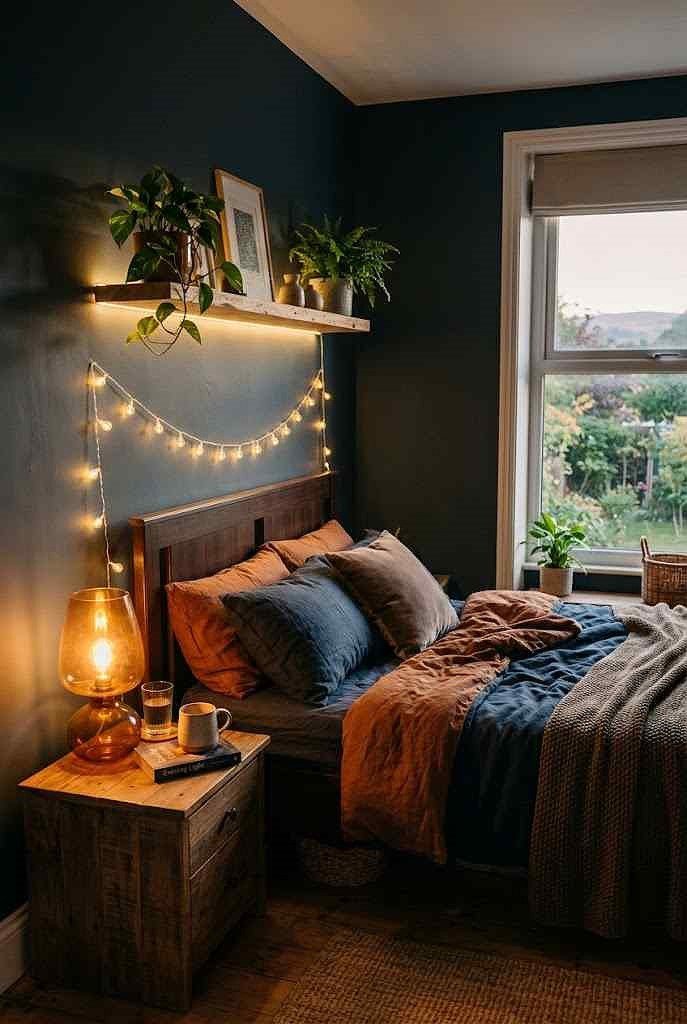
Here’s something people don’t talk about enough harsh overhead lights are dopamine killers. Flat, clinical lighting doesn’t activate your reward circuits. It just makes you feel exposed and tired.
A real dopamine bedroom has layered lighting multiple light sources at different intensities that let you shift the room’s mood hour by hour.
String lights, warm-toned table lamps, LED strips behind floating shelves, or a soft bedside lamp all contribute. Bonus points if your lights are warm white or amber-toned rather than cool white. Warm light literally feels better to your brain and signals to your body that it’s time to wind down.
Natural light matters too. If your bedroom gets morning sun, use that. If it doesn’t, consider a sunrise alarm light or even just keeping your curtains open to let in available daylight. FYI, light exposure in the morning actually stabilizes your dopamine throughout the day, so a bright bedroom start creates a ripple effect through your mood for hours afterward.
Most people don’t realize how dramatically light affects mood until they change it. Harsh white overhead lights (especially the cool white 4000K+ kind) mimic office or hospital lighting your brain associates them with work and stress, not rest and comfort. Switching to warmer tones (2700K or lower) signals to your body that this is a safe, personal space.
The timing of light matters just as much as its quality. Your body’s circadian rhythm responds to light cues throughout the day. Bright light in the morning actually helps regulate dopamine and serotonin production for the entire day so opening your curtains or turning on warm lights first thing genuinely shifts your mood hours later. Evening light should dim gradually, mimicking a sunset, so your melatonin (the sleep hormone) can rise naturally.
Dimmers are worth the investment. They let you adjust the room’s atmosphere based on your needs: brighter when you’re getting ready or working, dimmer as evening approaches. If you can’t install dimmer switches, smart bulbs offer the same flexibility for less money. Having control over your light essentially gives you control over your neurochemistry.
Personal Touches Are Where the Real Dopamine Lives
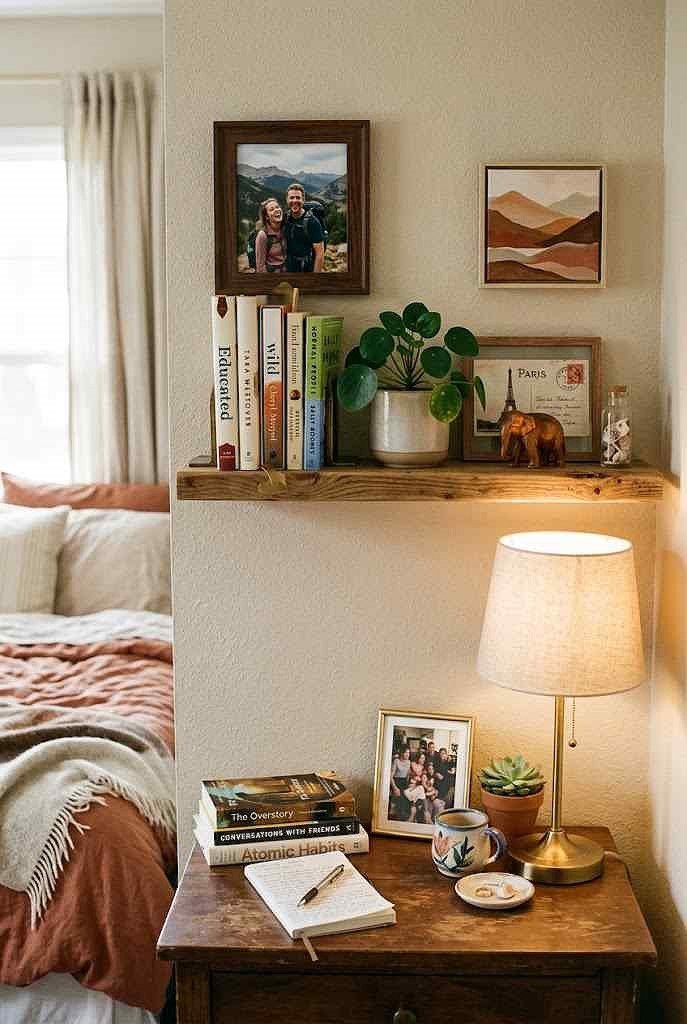
A dopamine bedroom reflects you, not an algorithm’s guess about what should spark joy.
This is where people often get stuck. They see a dopamine bedroom on social media and try to replicate it exactly, missing the entire point. Your room should host the things that actually make you feel good: art that speaks to you specifically, photos of people or moments you love, objects from places that meant something, collections that represent your interests.
Every element should have a reason for being there beyond “this looks good on aesthetic grounds.” A painting that makes you smile every time you see it? Dopamine. A shelf holding books you actually want to read? Dopamine. Dried flowers from a trip you loved? Dopamine. Generic “decorative objects” in pretty colors? Boring, honestly.
I kept a small shelf of travel mementos nothing expensive, just objects that reminded me of experiences. Seeing them first thing when I wake up genuinely sets a different tone than staring at a blank wall.
Don’t fill your room with things. Fill it with things that mean something. The dopamine comes from recognition and memory, not from visual clutter.
Here’s the thing about personal touches that most design advice misses: they’re not just visual comfort they’re emotional anchors. That ticket stub from a concert, a postcard from somewhere meaningful, a photo of someone you love these aren’t decorative. They’re dopamine reminders. Every time you see them, your brain briefly re-experiences the positive feeling associated with that memory.
This is why generic “bedroom decor” from big retailers never creates real dopamine. Mass-produced art about “good vibes” or motivational quotes don’t trigger your brain the same way a meaningful object does. Your brain recognizes authenticity. It knows the difference between something that’s genuinely yours and something you bought because it fit the aesthetic.
Rotate your personal items seasonally, too. Swapping out which travel photos are displayed, changing which books sit on your shelf, or moving plants to new spots keeps the dopamine hit fresh. Your brain stops registering stale details, so intentional variety keeps your room feeling alive instead of becoming invisible wallpaper you stop noticing.
Plants Aren’t Just Pretty (They’re Actually Strategic)
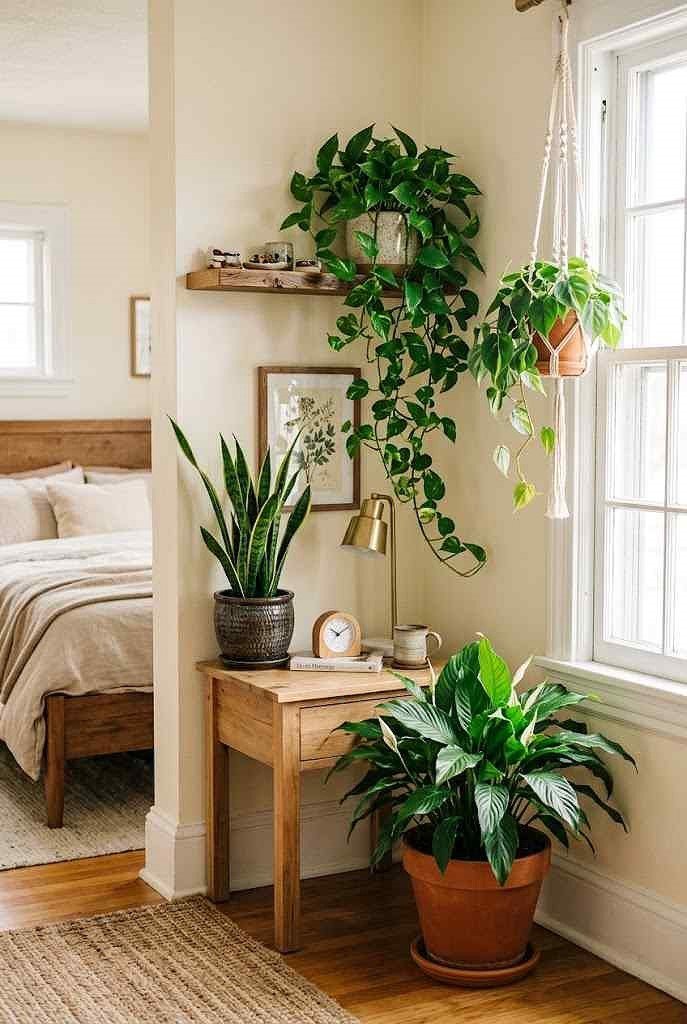
Living plants do multiple things simultaneously. They add color, texture, and life literally. Your brain responds to living things differently than inanimate objects. Plants trigger a sense of growth and vitality that static decor can’t match.
Beyond the psychology, plants improve air quality, which affects how clearly you think and sleep. Low-light tolerant plants like pothos, snake plants, or peace lilies work in bedrooms that don’t get direct sun. Brighter corners can hold plants that actually want light.
The dopamine hit comes from both the visual presence and the subtle knowledge that you’re caring for something living. Watering a plant, watching it grow, noticing new leaves these tiny actions feel purposeful in a way that scrolling past a photo of someone else’s bedroom never will.
Beyond dopamine and air quality, plants actually change how you use your bedroom. They give your hands and mind something to engage with. Watering, pruning dead leaves, rotating a pot toward the light these small acts create a sense of purpose and routine. Neuroscientifically, this repeated caretaking releases oxytocin and creates a positive feedback loop with your space.
Low-maintenance plants are key here. You don’t want plants that stress you out because they’re dying. Choose varieties actually suited to your bedroom’s light conditions. A thriving pothos in low light beats a dying orchid every single time. The dopamine comes from seeing your plant thrive, not from the plant’s prestige or rarity.
The placement matters too. A single large plant in the corner creates a focal point and makes the space feel grounded. Grouping smaller plants on a shelf creates visual interest without taking up much floor space. Even one trailing plant hanging near a window can transform a bare corner into something that feels intentional and cared-for.
The Clutter Question (And Why It Matters)
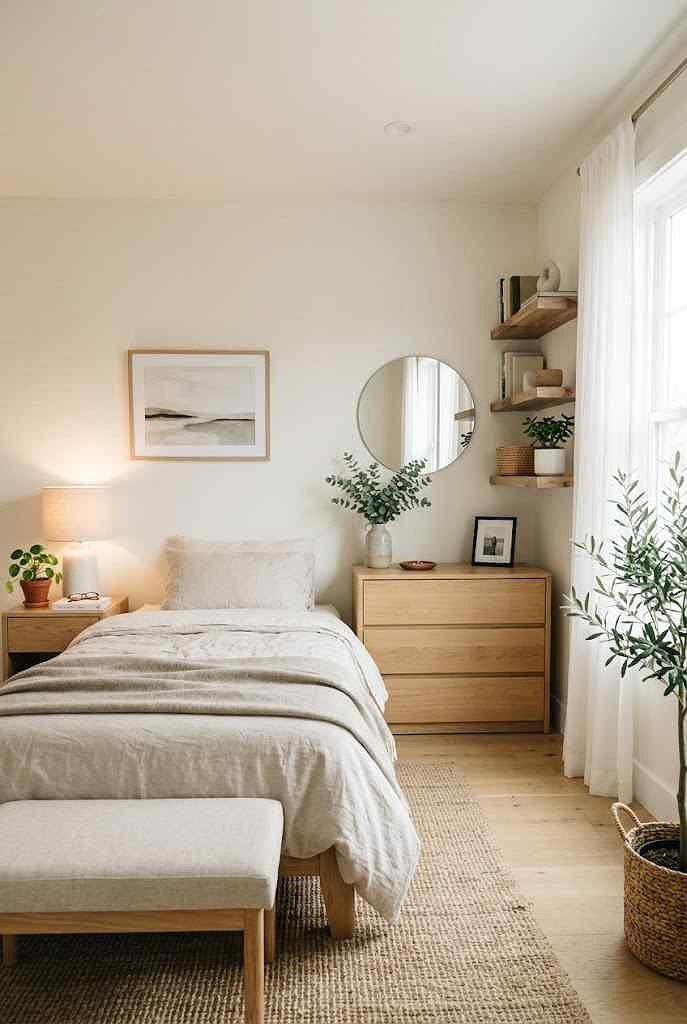
A wardrobe that takes 45 minutes to rDopamine bedrooms aren’t cluttered, but they’re not sterile either. The difference is intentionality.eorganise every Sunday is a wardrobe design failure, even if it looked brilliant on paper.
Everything visible should either function, spark joy, or do both. Your nightstand doesn’t need twelve things on it. Your shelves don’t need to be empty either. The sweet spot is enough visual interest to feel alive without so much stuff that your brain gets fatigued trying to process it all.
Clutter actually reduces dopamine by creating low-level cognitive load. Your brain has to work harder just to look at the room, which leaves less mental energy for actual happiness. Clear surfaces with a few carefully selected items hit differently than maximalist chaos.
Store the things you need but don’t want to see. Keep out the things that genuinely add to the space. That’s it.
Decision fatigue is real, and clutter forces your brain to make constant micro-decisions about what you’re looking at. “Do I need this? Should I move that? Why is this here?” These questions drain your mental energy before you even get out of bed. A curated bedroom removes that cognitive load, freeing mental space for actual thoughts and feelings.
Storage solutions aren’t about hiding everything. They’re about making intentional choices about what stays visible. Baskets under the bed, closed shelving in your closet, drawer dividers these let you keep what you need while keeping surfaces calm. The goal is a room where every visible object either serves a function or brings you genuine joy.
This also prevents what I call “decision paralysis” when redesigning. If your room is too full, you don’t know where to start improving it. A cleaner baseline makes it easier to see what actually needs to change and what’s already working. You can then add meaningful elements consciously instead of trying to organize chaos.
FAQ’s
Does dopamine bedroom design work for people with depression or mental health issues?
Environment helps, but it’s not a treatment. Use it alongside therapy and professional support, not as a replacement for mental health care.
What’s the difference between a dopamine bedroom and just a normal well-designed bedroom?
Dopamine bedroom intentionally targets mood-boosting colors, textures, and lighting backed by neuroscience not just general aesthetics.
Can minimalism and dopamine bedroom design coexist, or do they conflict?
They absolutely coexist. Minimalism removes clutter; dopamine design adds intentional stimulation. Both reduce cognitive load while boosting mood.
How often should I update my dopamine bedroom to keep the novelty effect going?
Rotate personal items and accessories seasonally (every 3–4 months) to keep dopamine hits fresh without major overhauls.
Can I create a dopamine bedroom on a tight budget?
Absolutely. Focus on color (paint is cheap), rearrange existing furniture, use natural light, and thrift textured items. Start small.
CONCLUSION
The dopamine bedroom isn’t about following a trend or spending loads of money. It’s about recognizing that your environment shapes how you feel, and you have the power to design that environment intentionally.
You spend roughly a third of your life in your bedroom. Why shouldn’t it make you happy? Your walls, colors, light, textures, and the objects you choose to live with aren’t superficial details they’re inputs that directly influence your neurotransmitter function and daily mood. That’s worth taking seriously.
Start small. Add one warm-toned element, swap your lights, hang something that makes you smile. Notice how it shifts things. Then build from there. Your dopamine will thank you.