
Kitchen Backsplash
By Anna Grace | 12 April 2026
The Kitchen Backsplash Decision That Actually Changes
You know that moment when you realize your kitchen backsplash is basically a magnet for grease splatter, water stains, and the occasional tomato sauce explosion? Yeah, that’s when most people decide a backsplash matters. But here’s the thing your backsplash shouldn’t be an afterthought you’re scrambling to fix. It’s one of the most visible elements in your kitchen, and it carries serious weight in both function and design. I learned this the hard way after watching a friend spend three times the budget she originally planned because she picked a trendy tile without thinking about maintenance. Spoiler alert: high-gloss subway tile and fingerprints are not a match made in heaven.
The backsplash sits in that sweet spot where practicality meets personality. It protects your walls from cooking chaos, yes but it also sets the entire vibe of your kitchen. A good backsplash makes your space feel intentional. A bad one? Well, it’ll nag at you every time you make breakfast :/
Let’s walk through what actually matters when you’re choosing one.
Why Your Backsplash Does More Than You Think
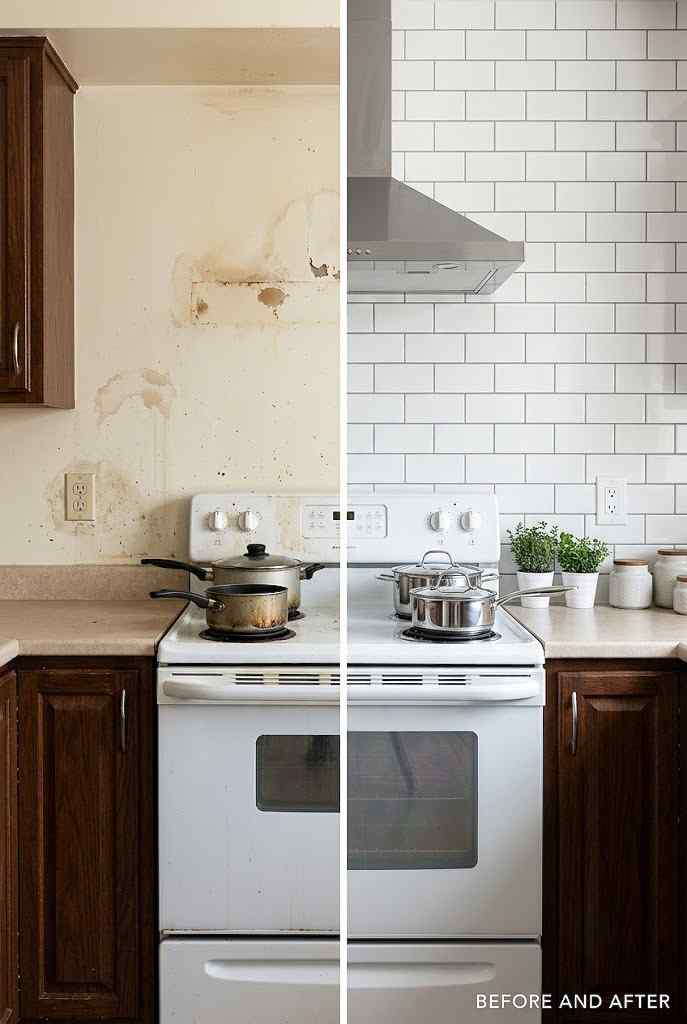
Your backsplash is essentially a shield between your stovetop or sink and your wall. Grease, water, food particles, steam they all come for your walls, and without that protective barrier, you’re looking at damaged drywall, mold, and general messiness that spreads faster than you’d expect.
But it’s not just about defense. The backsplash is real estate. It’s usually the most visible surface in your kitchen besides the countertop and cabinets. You can spend a fortune on granite counters, but if your backsplash looks half-hearted, the whole kitchen falls flat. It’s the detail people notice when they walk in the thing that either makes them go “oh, that’s nice” or just… walk past without thinking about it.
The psychological side? Your kitchen backsplash contributes to how you feel when you’re cooking. Seriously. If you spend 30 minutes preparing dinner five nights a week, you’re staring at that backsplash. Make it something you actually like looking at.
The real damage happens at night. You’re lying in bed, you glance at your desk, and suddenly you’re mentally reviewing tomorrow’s meeting. Or you wake up at 3 AM and your The thing nobody tells you? Your backsplash affects resale value. Seriously. Real estate agents will tell you that updated kitchens with cohesive backsplashes sell faster and at better prices than kitchens with mismatched or dated ones. It signals that the homeowner cared about details, that the kitchen was updated intentionally rather than patched together over time.
A well-chosen backsplash is basically a small investment that pays dividends if you ever decide to sell. But even if you’re staying put forever, it’s worth thinking about because it genuinely changes how you experience your kitchen daily. You’re not just cooking in a functional space you’re cooking in an environment you’ve actually considered.won’t shut off because your workspace is literally three feet away. Sleep quality takes a hit before you even realize what’s happening.
Materials Matter More Than You Probably Realize
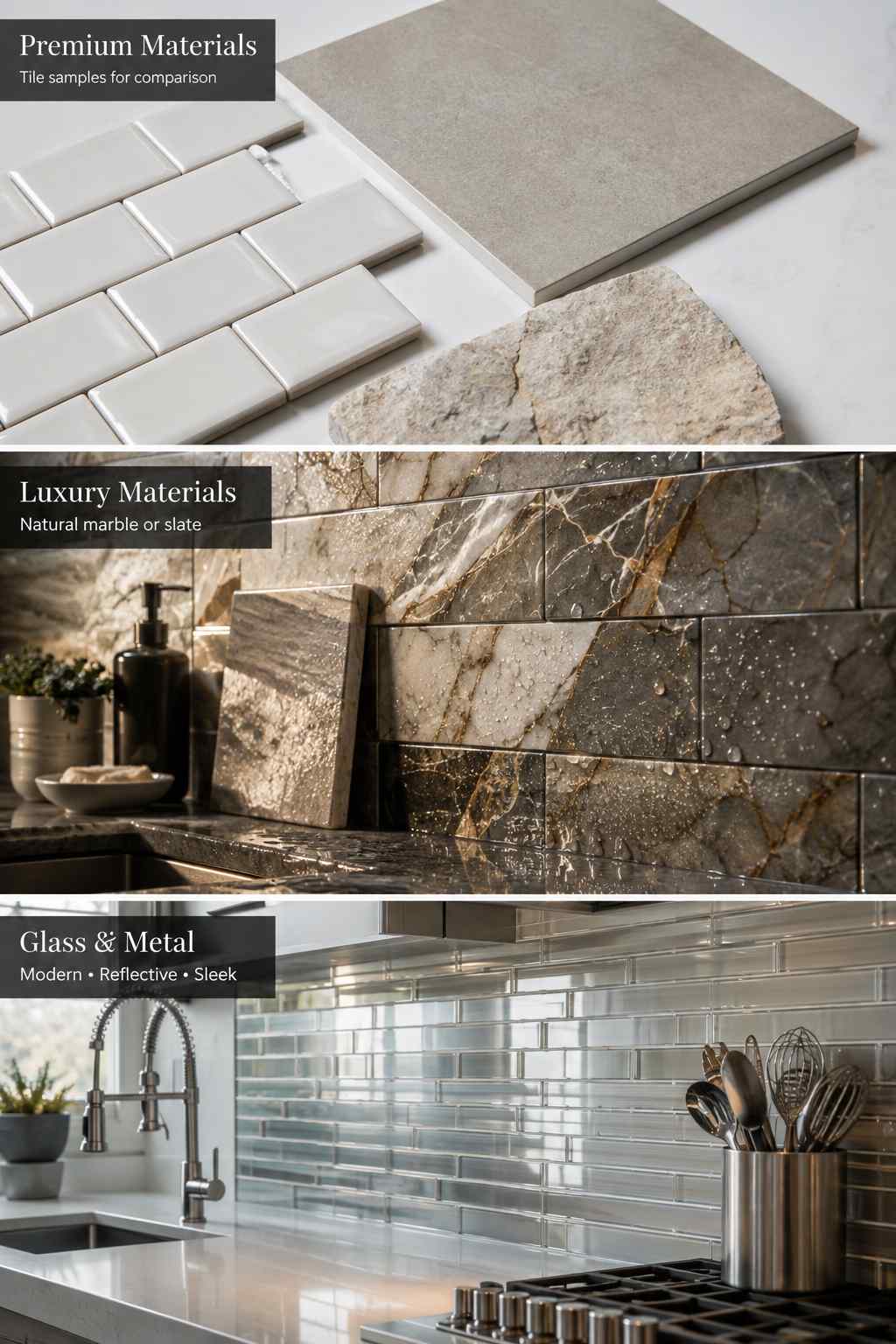
The material you choose changes everything maintenance, durability, vibe, and yes, your sanity during upkeep.
Ceramic and porcelain tiles are the reliable friend of kitchen backsplashes. They’re affordable, come in endless colors and patterns, and they’re easy to clean. Porcelain edges out ceramic because it’s denser and slightly more scratch-resistant, which matters if you’re not gentle with your kitchen (no judgment). The downside? Grout lines catch grime, and white grout turns gray over time no matter what cleaning products you throw at it. FYI: darker grout hides staining much better, but that’s obvious once someone tells you.
Subway tiles deserve their own mention because they’re everywhere and people have strong opinions. They’re classic, they work with almost anything, and they’re cheap. But they’re also kind of boring if you don’t think about layout or finish. The trick is playing with color, size variation, or offset patterns to make them feel intentional instead of “I just picked what was on sale.”
Glass tiles look modern and sophisticated. Light bounces off them, making kitchens feel bigger and brighter. Catch? You see every fingerprint, dust particle, and soap residue through them. Unless you’re the type who enjoys cleaning tiles daily, this might test your patience.
Natural stone: marble, slate, granite, travertine brings undeniable elegance. Each piece is unique, so your backsplash feels genuinely personalized. Here’s where I’ll be honest: natural stone requires commitment. It stains, it etches (especially marble and limestone), and it needs sealing regularly. If you love the look enough to maintain it, go for it. If you’re thinking “this will be fine,” consider your actual lifestyle before you commit.
Stainless steel and metal backsplashes suit modern kitchens perfectly. They’re durable, easy to wipe down, and they look professional. They can feel cold though, which is why most people layer them with other materials or keep the rest of the kitchen warm to balance it out.
Peel-and-stick tiles are the budget option for renters or people who want to experiment without commitment. Quality varies wildly, and they eventually peel at the edges, but they’re forgiving if you want to test a style before going permanent.
One material we should talk about more? Handmade and artisan tiles. They’re pricier than factory tiles, but they bring character that mass-produced options simply can’t match. Each tile has slight variations in color, texture, and glaze, which means your backsplash becomes genuinely one-of-a-kind. The catch is that handmade tiles are harder to replace if one breaks, so you either accept the imperfection as part of the charm or commit to finding matching replacements down the road. They’re perfect if you want your kitchen to feel collected and intentional rather than off-the-shelf.
Another angle worth considering: tile finish affects both look and function. Matte finishes hide fingerprints and water spots better but can be harder to clean thoroughly (grease settles in the texture). Glossy finishes wipe clean easily but show every smudge immediately which sounds annoying until you realize it forces you to wipe your backsplash regularly, keeping it genuinely hygienic. Textured finishes add visual interest but trap dust and grime in the grooves. Understanding these trade-offs means you’re not blindsided by maintenance once installation wraps up.
Installation and Ongoing Maintenance
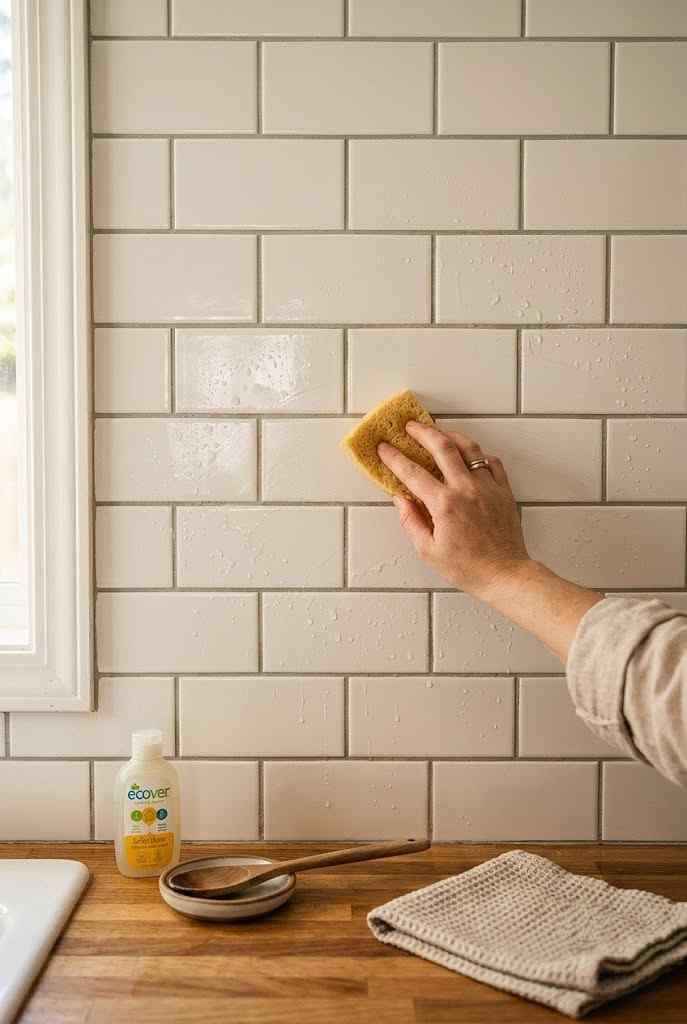
Installation complexity depends on your material choice, but here’s what generally matters: most backsplashes need professional installation unless you’re experienced with tile work. A crooked backsplash haunts you every single day. DIY can save money, but a botched job ends up costing more to fix than hiring someone from the start.
Maintenance expectations shift by material. Ceramic and porcelain? Wipe them down, re-grout every few years if needed, and you’re fine. Natural stone needs sealing annually and careful handling of acidic cleaners. Glass tiles require a glass-specific cleaner or you’ll have streaks that catch every light in your kitchen. Metal backsplashes show fingerprints but resist staining beautifully.
Durability matters for longevity. Quality tiles might cost more upfront, but they won’t chip, crack, or look worn after five years. Cheap tiles do that thing where they slowly deteriorate, and suddenly your backsplash looks tired even though it’s only been a few years.
Here’s something practical: prep work costs vary dramatically depending on your wall’s current condition. If you’re installing over smooth drywall, great minimal prep needed. But if you’re removing old tile, addressing water damage, or dealing with an uneven wall, that’s where expenses climb fast. A professional inspector can usually spot this before quoting, but some homeowners discover problems mid-project and face surprise costs. This is why getting detailed estimates that break out labor versus materials versus prep work separately matters you see exactly where money’s going.
DIY becomes tempting when you see backsplash pricing, but here’s the reality check: even small mistakes in tile alignment compound visually. A quarter-inch off on one tile creates a domino effect across the entire backsplash. When you’re staring at it every morning while making coffee, those imperfections become increasingly obvious. If you’re experienced with tile work, go for it. If you’re learning as you go, the time investment and potential rework often costs more than hiring a professional from the start. It’s one of those projects where doing it right the first time actually saves money.
The Money Side: What You’re Actually Spending
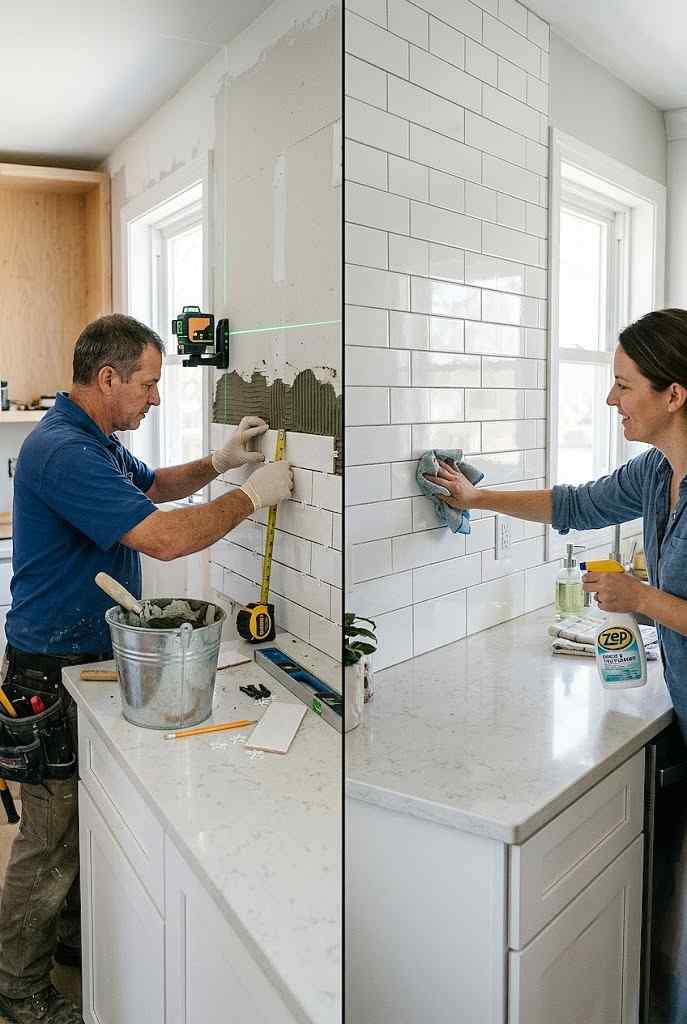
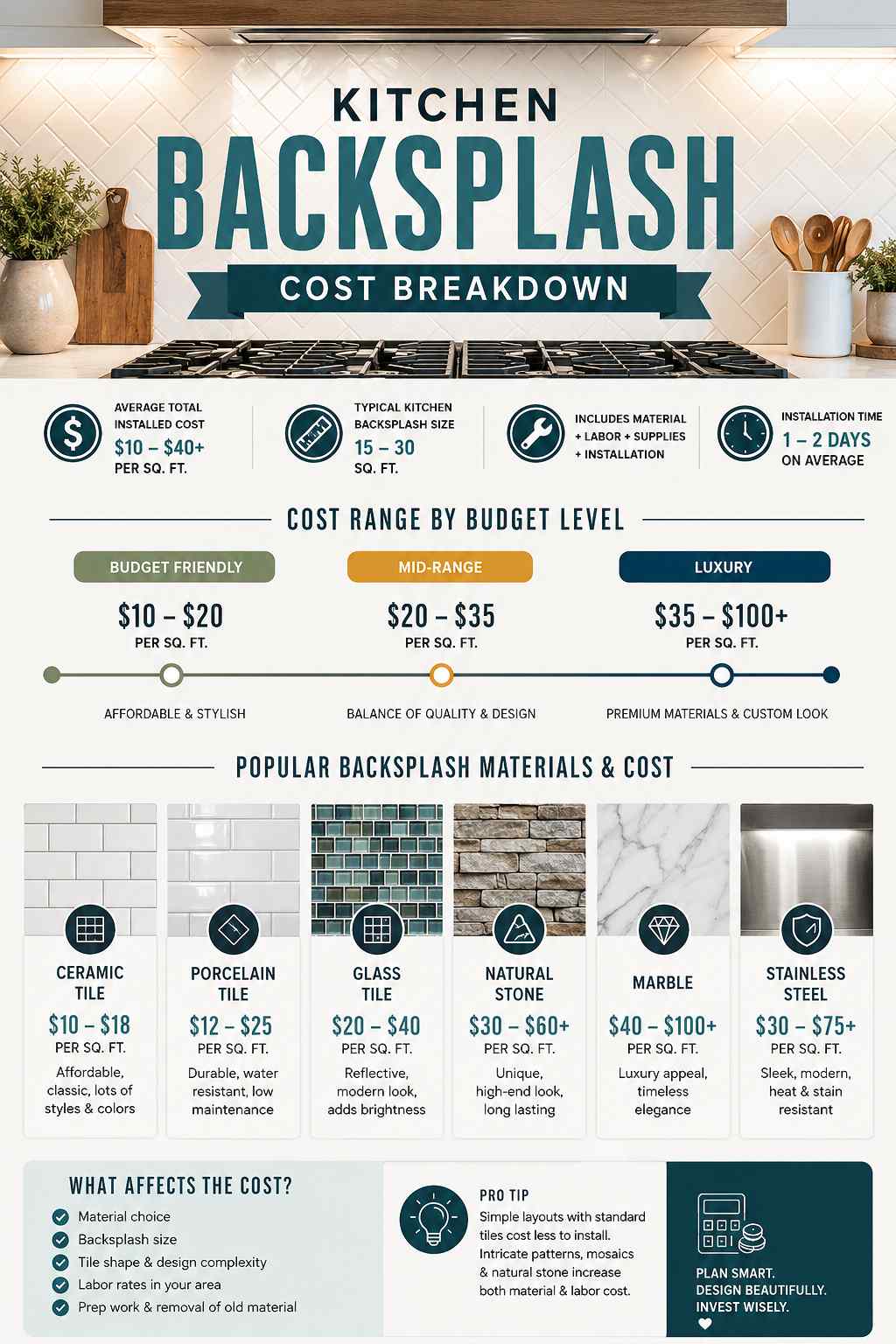
Backsplash costs break down into three buckets: materials, labor, and prep work.
Materials range wildly. Basic ceramic tiles run $5–15 per square foot. Porcelain sits around $10–25 per square foot. Glass tiles jump to $15–40. Natural stone goes $20–100+ depending on type and quality. Peel-and-stick sits around $5–10 per square foot but won’t last as long.
Labor costs vary by region and installer, but expect to pay $10–30 per square foot for installation. If your wall needs prep work removing old backsplash, repairing drywall, addressing uneven surfaces add another few hundred dollars.
Most average kitchen backsplashes run 50–100 square feet, so you’re looking at a total range anywhere from $500 for a basic DIY ceramic job to $3,000+ for professional stone installation. The sweet spot for most homeowners is $1,000–2,000 for a quality backsplash that looks intentional and lasts.
Here’s my opinion spend more on durability than on trend-chasing. That ultra-trendy pattern might look amazing now, but a solid neutral backsplash with quality materials will actually make your kitchen feel timeless instead of “dated in five years.”
One detail that shifts everything? Grout color choice changes how the backsplash reads visually. White or light grout makes tile lines visible, emphasizing pattern and texture great for interesting tiles you want to showcase. Matching grout to your tile color minimizes visual lines, creating a more seamless look better if you’re going for sophistication or hiding grout staining (real talk: it stains). Contrasting grout can add intentional graphic interest if you’re playing with geometric patterns. This single choice completely changes the final aesthetic, so don’t brush over it in the selection process.
Also think about lighting in your kitchen and how it affects backsplash appearance. A backsplash that looks stunning in daylight can feel completely different under artificial kitchen lighting at night. If possible, bring samples home and look at them in your actual kitchen under your actual lighting at different times of day. That expensive marble you loved in the showroom might look washed out under your current overhead lights. Conversely, a tile you weren’t sure about might sing once you see it in context. This step takes thirty minutes and prevents regret.
Picking the Right Backsplash for Your Actual Kitchen
The best backsplash for you depends on three things your style, your lifestyle, and what your kitchen needs visually.
Is your kitchen small? Lighter colors and smaller tiles make it feel bigger. Large tiles minimize grout lines and create a cleaner look also makes small spaces feel less cluttered. Dark kitchens? Glass tiles bounce light around. Do you cook heavily? Skip anything that stains easily (marble, I’m looking at you). Are you rarely home? Go fancy you won’t maintain it anyway, so enjoy it when you use it.
Think about what your kitchen needs aesthetically. Does your kitchen feel cold and sterile? Warm tiles, natural materials, or earthy colors help. Does it feel dated? A modern pattern or metallic accents can refresh the whole space without redoing everything. Is it already busy with patterns elsewhere? Keep your backsplash simpler to avoid visual overload.
Pattern versus solid is personal. IMO, solid colors are safer and age better, but a subtle pattern adds interest without dating itself as quickly as bold trends do.
One detail that shifts everything? Grout color choice changes how the backsplash reads visually. White or light grout makes tile lines visible, emphasizing pattern and texture great for interesting tiles you want to showcase. Matching grout to your tile color minimizes visual lines, creating a more seamless look better if you’re going for sophistication or hiding grout staining (real talk: it stains). Contrasting grout can add intentional graphic interest if you’re playing with geometric patterns. This single choice completely changes the final aesthetic, so don’t brush over it in the selection process.
Also think about lighting in your kitchen and how it affects backsplash appearance. A backsplash that looks stunning in daylight can feel completely different under artificial kitchen lighting at night. If possible, bring samples home and look at them in your actual kitchen under your actual lighting at different times of day. That expensive marble you loved in the showroom might look washed out under your current overhead lights. Conversely, a tile you weren’t sure about might sing once you see it in context. This step takes thirty minutes and prevents regret.
FAQ’s
How often do I need to reseal a natural stone kitchen backsplash?
Most natural stone requires annual sealing, but frequency depends on stone type and usage. Check manufacturer guidelines for your specific material.
Can I install a new backsplash over my existing tile without removing it?
Yes, but surface must be clean and level. Installer assesses if existing tile can handle additional weight safely first.
What’s the most durable kitchen backsplash material for heavy cooking?
Porcelain tile and stainless steel resist staining and damage best. Both handle heat, moisture, and frequent cleaning without deterioration.
Do dark grout lines in kitchen backsplashes hide stains better than white?
Absolutely. Dark or colored grout hides cooking residue and discoloration far better than white or light-colored grout lines will.
Is peel-and-stick backsplash tile suitable for areas above the stove?
Not recommended. Heat and steam weaken adhesive over time. Use proper tile installation above cooking surfaces for durability.
CONCLUSION
Your backsplash isn’t just something functional you’re installing behind your stove it’s an investment in how your kitchen looks and feels every single day. Take time to choose something that actually works with your life, your budget, and your design aesthetic. The difference between a thoughtless backsplash and one you’ve actually considered shows immediately. Make it count.