
retro livingroom
By Anna Grace | 16 April 2026
Retro Living Room Ideas That Not Like A Raided Thrift Store
Why Your Grandma’s Couch Suddenly Became Cool Again
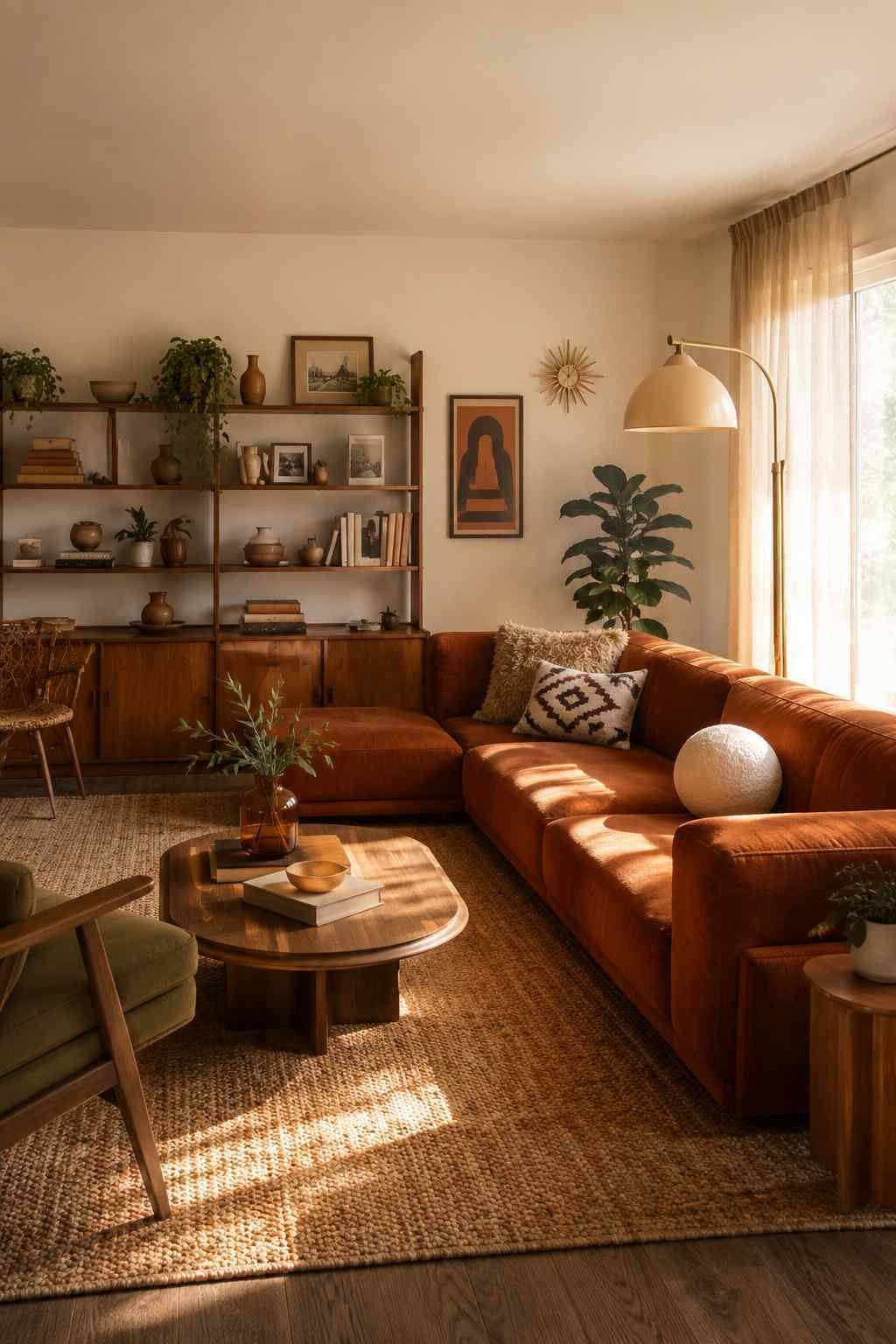
There’s something genuinely magnetic about walking into a room where the 1970s decided to stick around but deliberately, not accidentally. Retro living rooms have shifted from “stuff your parents kept out of guilt” to an intentional design choice that people actually crave. And honestly? It makes sense.
We’re exhausted by minimalism’s cold shoulders and beige-on-beige apartment living. A retro living room offers warmth, personality, and a built-in conversation starter. It whispers “I have taste” without screaming “I’m trying too hard.” The beauty of retro design is that it wasn’t overthinking things it was just living, and that authenticity resonates now more than ever.
The real question isn’t whether retro works (it does), but whether you can pull it off without your space looking like a thrift store exploded indoors. Spoiler you absolutely can.
But here’s what makes retro living room design different from previous trend cycles it’s not performative. When people embraced mid-century modern a decade ago, it felt like checking a box. Now? The retro living room conversation includes authenticity. Younger designers are hunting family heirlooms, salvaging pieces their parents were about to throw away, and building rooms around stories instead of Instagram aesthetics.
The pandemic accelerated this shift too. Everyone spent more time at home, which meant the room actually had to work not just look good in photos. A retro living room that prioritizes comfort and function over picture-perfect aesthetics suddenly made complete sense. You want a space that wraps around you, invites lingering conversations, and doesn’t scream for validation. That’s what retro design offers when executed thoughtfully.
Nailing the Color Palette Without Your Walls Becoming a Headache
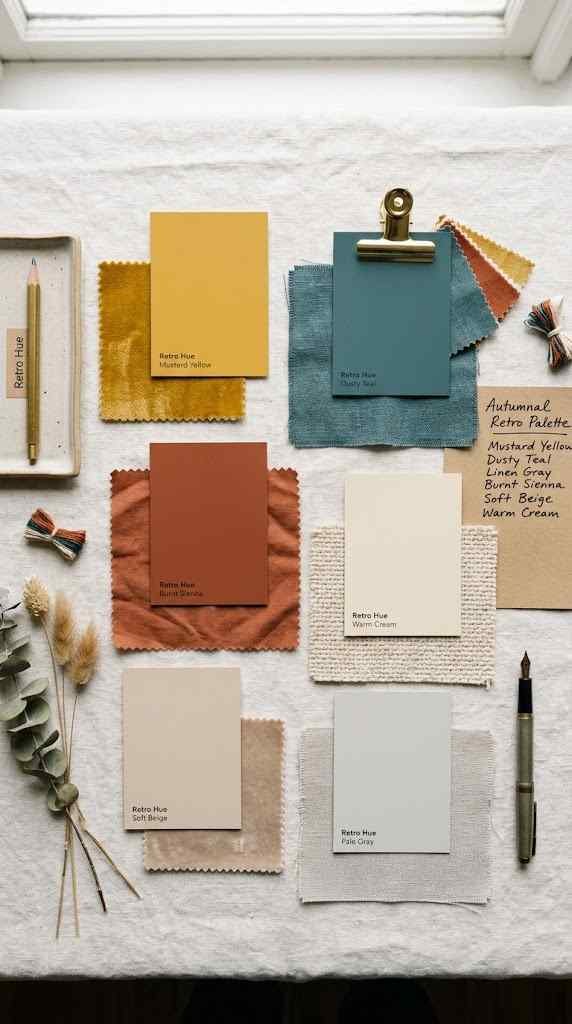
This is where most people stumble. They see a burnt orange and think “yes, ALL of it,” then wonder why their living room feels like the inside of a pumpkin. 🙂
The retro color palette works best in layers, not dominance. Pick one bold color mustard yellow, teal, burnt sienna, or that dusty rose everyone’s obsessed with and use it as your anchor. Make it your sofa, a feature wall, or a collection of throw pillows. Then dial everything else back. Warm neutrals like cream, soft beige, or pale gray become your breathing room.
The 70s and 80s loved earth tones, but they also understood balance. Wood paneling paired with avocado-green accents worked because the wood grounded everything. Your space needs that same grounding element.
Avoid the trap of matching every shade to the era. A retro living room doesn’t need to be a time capsule it needs to be livable. Incorporate one or two neutral walls alongside your statement pieces. Your eyes (and your guests’ eyes) will thank you.
Think about how you’re spending time in this room. Are you reading? Watching movies? Hosting gatherings? The color psychology shifts the room’s entire energy. Mustard and burnt sienna push a space toward warmth and social gathering they’re confident colors that invite people in. Dusty blues and teals offer calm and introspection, perfect if your retro living room is also your quiet refuge.
The wall you paint matters too. That feature wall trend exists for a reason it gives your bold color a home without overwhelming the space. A single jewel-toned wall behind your sofa works. Your entire room in that color? You’ve made a choice that’ll feel suffocating by month three. Ceiling color is another secret weapon that nobody talks about. A slightly darker shade than your walls (think: cream walls, warm beige ceiling) adds coziness and makes the space feel more intentional. It’s a subtle move that reads as sophisticated without announcing itself.
If you’re torn between shades, here’s a trick: photograph your living room at different times of day, then overlay swatches of different green tones digitally. See which one feels right when the light is real not just in your imagination. Most furniture stores let you bring home fabric samples too. Live with them for a few days. Drape them on a chair and actually sit in your space with that color nearby.
The ceiling height in your room also influences which green works best. Lower ceilings pair beautifully with lighter, airier greens (sage, celadon) because they don’t absorb light or make the space feel cave-like. Higher ceilings can handle deeper, richer greens without sacrifice. If you’re in an apartment with 8-foot ceilings and a small footprint, emerald is going to feel dramatic in a way that might exhaust you. Sage will feel like a relief.
Room orientation matters too= north-facing rooms feel cooler naturally, so they benefit from greens with warmer undertones (olive, moss). South-facing rooms get plenty of warm light, so cooler greens (sage, seafoam) stay vibrant without looking washed out. It’s not complicated, just worth considering before you order.
Furniture Styles That Actually Seat People Comfortably
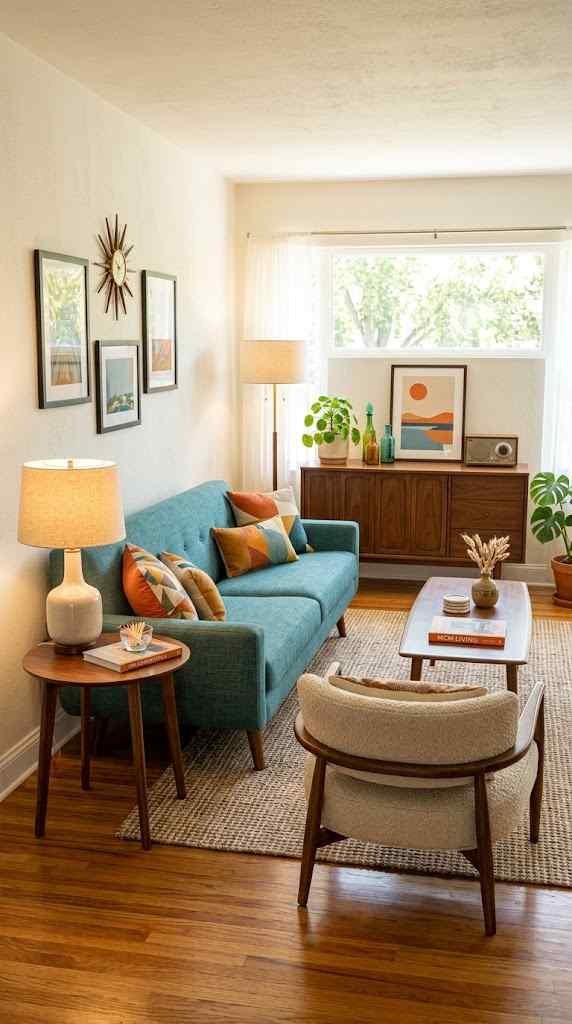
Here’s what separates a retro living room from a retro disaster comfort isn’t negotiable. Mid-century modern couches can be stunning, but if you’re sitting on a piece of plywood with a throw pillow pretending it’s ergonomic, you’re doing it wrong.
Look for pieces with the vibe clean lines, tapered legs, maybe some curved armrests but prioritize actual support. A quality vintage-inspired sofa or a modern reproduction that channels 70s design will run you more than a flimsy knockoff, but you’ll actually use it.
Mixing furniture eras works beautifully here. An authentic mid-century credenza next to a modern table? Chef’s kiss. A low-slung vintage armchair paired with contemporary shelving? That’s just good taste, not laziness. Retro living room design doesn’t demand purity it demands intention.
Thrifting can be treasure or trash depending on the day, IMO. If you’re hunting vintage pieces, inspect the structure before you fall in love with the upholstery. A beautiful 1960s armchair with busted springs is not a steal it’s a project that may never finish.
Budget matters here, and there’s no shame in admitting it. Genuine mid-century pieces run expensive we’re talking hundreds to thousands per item. Quality reproductions capture the aesthetic for a fraction of the cost, and honestly, unless someone’s studied furniture design intensely, they won’t spot the difference. What they will notice is whether you’re actually using the room.
Scale is something people underestimate when hunting retro pieces. A gorgeous vintage credenza can absolutely devour a small living room, making everything feel cramped. Proportion is what separates a thoughtfully designed space from one that looks like furniture and room are at war with each other. Measure twice actually, measure three times. Bring dimensions everywhere you shop.
The mix-and-match approach works because retro design itself was born from people making do with what they had and what they loved. Nobody in the 1970s was buying matching living room sets with the precision we expect now. They were combining handmade pieces, family items, and new purchases into something cohesive through sheer personality and intentionality.
Accessories That Complete the Picture (Without Overdoing It)
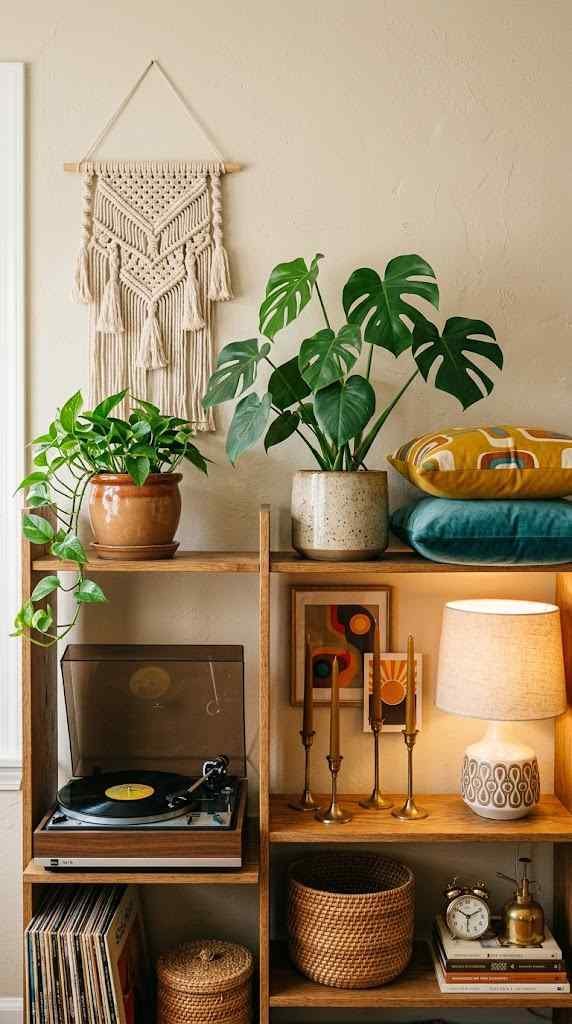
The small stuff is what transforms a room from “interesting” to “YES, exactly.” Retro living rooms thrive on carefully chosen details.
Think geometric throw pillows, macramé wall hangings, vintage lamps with brass elements, and record player setups that actually work (not just for decoration). Houseplants in ceramic pots lots of them bring that groovy 70s greenhouse energy back. Wood elements like shelving or side tables ground everything and echo the material choices of the era.
But here’s the thing: you don’t need one of every retro item ever made. One bold piece (a shag rug, statement art, a sculptural lamp) anchors the room. Everything else should feel like it belongs to the same story, not like you cleared out an estate sale in one afternoon.
Vintage finds paired with new pieces keep the space from feeling dated. A retro geometric rug under a modern sofa says “I’m intentional.” Seven lava lamps, a velvet flower painting, and a fondue set says “I shop when stressed.” Know the difference.
Lighting deserves its own moment here because it transforms a retro living room from “nice” to “chef’s kiss.” Vintage-inspired arc lamps, brass table lamps with textured shades, and even sculptural floor lamps in ceramic or wood create mood while staying true to the era. The soft glow they cast makes those warm colors deepen beautifully it’s not the cold brightness of modern minimalism, it’s amber-toned ambiance.
Textiles pull so much weight in retro design. A shag rug anchors the room and adds texture underfoot just don’t overcommit to shag everywhere or you’re building a carpet-covered cave. Layer throw blankets in complementary patterns on your sofa. Incorporate area rugs with geometric patterns or subtle texture. These pieces age beautifully, which is partly why the retro aesthetic works things that look worn and loved have character, not flaws.
Wall art and sculpture choices matter more than most people realize. A large abstract painting in colors that echo your palette becomes a room’s North Star. Smaller pieces clustered in a gallery wall feel intentional. Leaning art against shelves (rather than hanging) captures that casual-but-curated vibe. The goal is art that genuinely excites you, not pieces you’re choosing because “it fits the era.”
Blending Retro with Modern
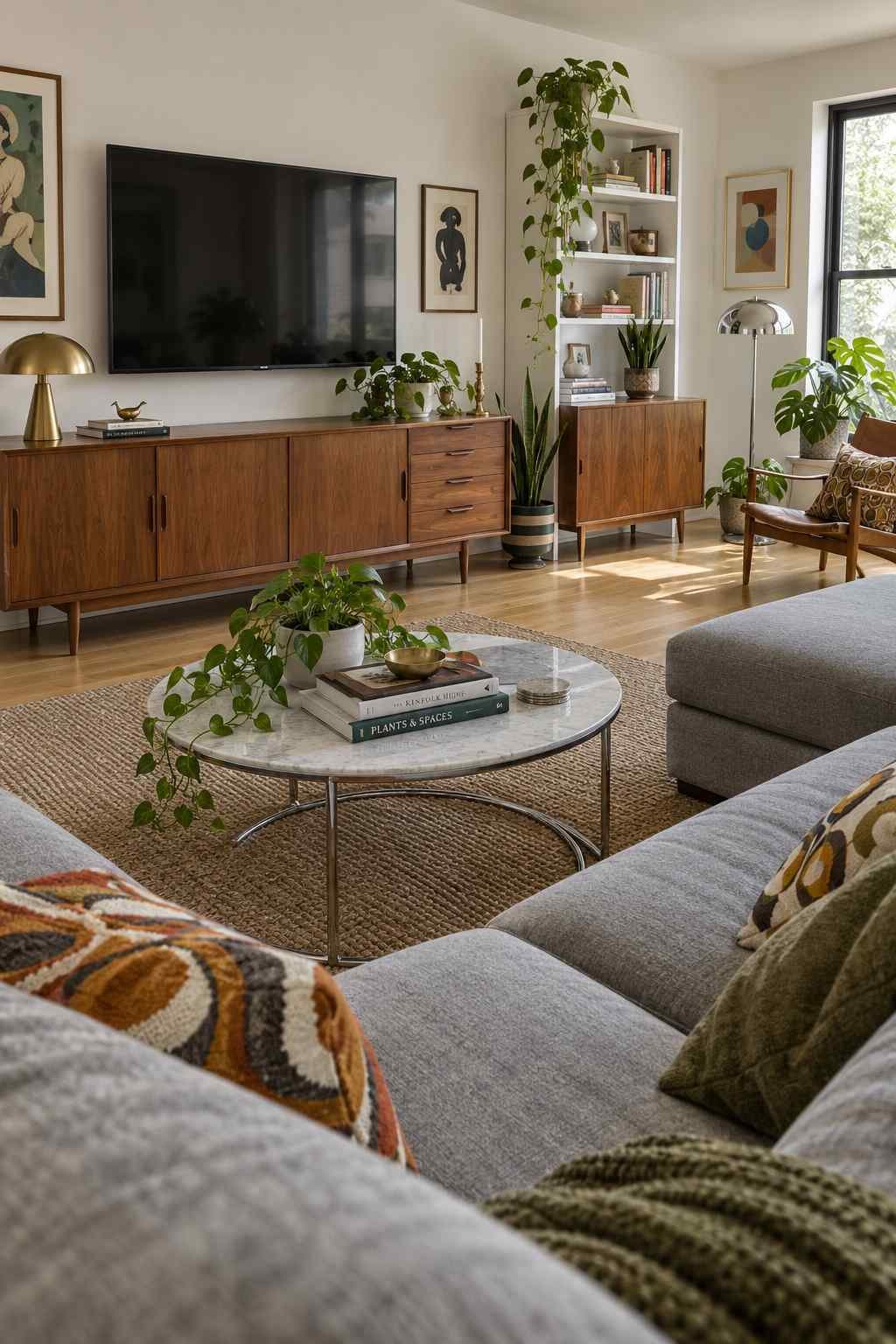
Let’s be honest you probably want your living room to look like it exists in the 2020s, just with better taste and fewer minimalist vibes. The sweet spot is retro inspired rather than retro replica.
Your TV doesn’t need to hide, and your Wi-Fi router isn’t cheating the aesthetic. Work with what you have. A sleek flat-screen mounted above a vintage credenza? That works. Modern sectional in a jewel-tone fabric with 70s-era side tables and statement lighting? Perfect.
The modern elements actually benefit retro design they keep the room from feeling like a museum. Contemporary flooring, updated lighting (even if it has retro silhouette), and smart storage solutions make a retro living room functional for actual life in 2025 or beyond.
The retro living room trend persists precisely because it adapts. It’s not rigid or precious. FYI, the most stunning spaces I’ve seen blend three eras seamlessly but they do it with confidence, not accident.
The integration happens most smoothly when you’re honest about your lifestyle. Do you game? Stream TV? Work from home? Modern technology integrated smoothly beats technology hidden awkwardly. A sleek TV mounted cleanly above a vintage console is vastly better than burying the screen in a cabinet that was designed for vinyl, not viewing angles.
Flooring sets the foundation for this blend. Modern hardwood or polished concrete grounds retro elements beautifully. A contemporary area rug in a retro pattern bridges both worlds. Avoid the temptation to go full shag everywhere layering rugs creates zones and visual interest while keeping maintenance reasonable.
Storage is where modern design genuinely improves retro living room function. Contemporary built-ins or shelving systems hold books, plants, and display pieces more efficiently than vintage pieces alone. Think a modern bookcase system styled with vintage decor inside it. The infrastructure is 21st century, but the styling stays true to the aesthetic. This approach gives you functionality without sacrificing the vibe.
Mistakes That Tank the Vibe (And How to Avoid Them)
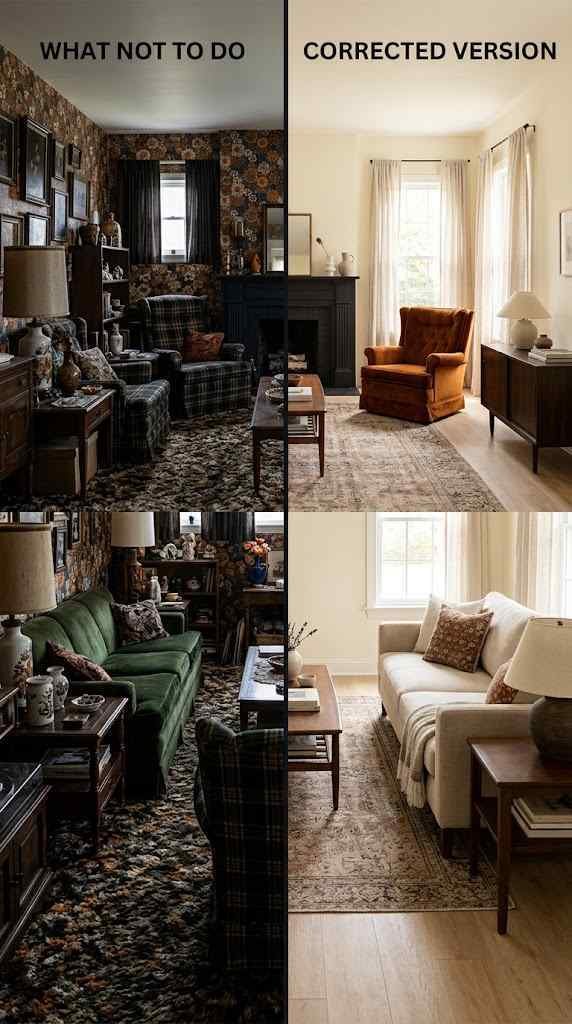
The most common misstep? Mismatched visual weights. If your sofa is bold, your wall color is bold, your rug is loud, and your art is intense, your brain never gets to rest. Pick one visual anchor per room.
Another trap is authenticity obsession. Replica isn’t always bad quality reproduction pieces let you participate in the aesthetic without hunting for that perfect original 1973 lamp for six months. Modern manufacturing has improved dramatically.
Dark wood can feel heavy if your entire room is dark wood plus dark upholstery plus dark walls. Layer in light elements a light rug, pale paint, glass or white ceramic accents to prevent the room from feeling like a cave.
And furniture placement matters. Retro living rooms often feel stuck in the 1970s because the furniture arrangement is stuck there floating in the center of the room or pushed against all walls like nobody knows what they’re doing. Arrange your seating to actually create conversation, define zones, and flow naturally with your space’s proportions.
Over-accessorizing is the fastest way to turn a retro living room into a retro parody. One prominent vintage item per surface is a solid rule. Your coffee table doesn’t need six decorative objects it needs maybe two thoughtfully chosen pieces and actual surface so you can live on it. The styling that works in magazines with professional photographers setting up each shot looks cluttered in real life, in real light, where you’re actually sitting.
Material mixing deserves attention too. Pairing wood, metal, ceramic, and glass throughout the room creates visual interest and prevents the space from feeling one-note. But there’s a difference between intentional mixing and just throwing different materials together. A brass lamp on a wood side table with a ceramic planter in front of a woven wall hanging? That works. Everything in brass, wood, ceramic, and woven? Now you’re not mixing materials, you’re just collecting things.
The “museum piece” trap sneaks up on people. You buy a gorgeous vintage item and then… can’t use it. Can’t put a drink on that table. Can’t actually sit on that chair. Retro living room design works when items function, not just exist. Beautiful things should be beautiful and usable, or they’re just expensive decor taking up space.
Where to Actually Shop (Without Spending a Kidney)

Thrift stores and estate sales offer authenticity and price tags that don’t hurt, but require patience and luck. Facebook Marketplace, OfferUp, and Craigslist work if you can spot quality under the grime.
Retailers like West Elm, Article, and CB2 produce solid modern pieces with retro influence they’re pricier than fast furniture but cheaper than hunting down originals. IKEA, surprisingly, has genuinely good retro-adjacent designs in their furniture collection. Not everything, but enough to build a foundation without debt.
Etsy leans heavily into retro restoration and reproduction, though quality varies wildly. Read reviews carefully and confirm dimensions before committing.
The best strategy mixes sources. One authentic vintage piece as your room’s anchor, a quality modern reproduction of a classic style for your sofa, thrifted accessories for personality. That’s how you get a real retro living room instead of a parody.
Timing is everything with secondhand shopping. Estate sales after the holidays offer different inventory than spring sales. Facebook Marketplace fluctuates based on seasons people offload furniture more aggressively at certain times. If you’re patient and flexible, you’ll find better deals by understanding these patterns rather than hunting for one specific item.
Authentication matters for pieces you’re considering as real investments. Learn to spot genuine mid-century construction (look at joinery, materials, weight, finishing details) versus decent reproductions. A reproduction isn’t lesser it’s just different, and honestly, a well-made reproduction beats a original that’s structurally compromised. Don’t let authenticity obsession override practicality.
Building relationships with local vintage dealers or thrift store staff gets you first dibs on incoming inventory. Many shops hold pieces for regulars or send photos of arrivals. This human connection transforms your shopping from random hunting to strategic gathering. Plus, dealers often negotiate prices if you’re a repeat customer.
Creating a shopping list (visual and written) prevents impulse buying. Screenshot styles you love, note dimensions you need, and understand your budget before you start hunting. The retro living room you build intentionally beats the random collection you assemble through wishful thinking and emotional purchases.
FAQ’s
Can you mix different retro decades in one living room, or does it have to stick to one era?
Mixing decades absolutely works if pieces share design language. A 1970s sofa with 1950s accessories and 1980s lighting creates cohesion through intentional color and material choices, not era purity.
What’s the best way to incorporate retro living room design on a tight budget without it looking cheap?
Prioritize one quality vintage statement piece, thrift accessories, and modern reproductions for secondary furniture. Curate carefully—fewer thoughtful items beat numerous mediocre pieces.
How do I prevent my retro living room from feeling dated or stuck in the past?
Blend with modern elements like contemporary flooring, current lighting tech, and updated wall colors. Retro styling works best when paired with clean, contemporary bones.
Are there specific retro living room colors that work better for smaller spaces versus larger rooms?
Lighter retro palettes (pale mustard, dusty blue) open smaller rooms. Larger spaces handle deeper tones better. Use matte finishes in small spaces, glossy accents in larger ones.
Which retro era is easiest for beginners-1950s, 1960s, 1970s, or 1980s?
Seventies design is most forgiving because it embraces layering, pattern mixing, and eclectic styling, making it harder to make mistakes with intentionality.
CONCLUSION
A retro living room works because it signals that someone thought about the space instead of just filling it. That intentionality more than the specific furniture or colors is what makes a room feel alive and inviting.
You’re not chasing a decade. You’re creating a room that values character, warmth, and lived-in comfort. Whether you’re channeling 1970s sunshine or 1980s chrome, the rule is the same: choose pieces you genuinely love, arrange them with purpose, and leave space for life to happen. That’s not retro design that’s just good design with vintage bones.
Your living room is waiting.