
The Shoe Rack Design
By Anna Grace | 8 March 2026
The Shoe Rack Design Guide That’ll Finally Cure Your Entryway Chaos
Your shoes are scattered across the bedroom floor. Again. Maybe some are hiding in the hallway closet, and you’re pretty sure a pair vanished into the laundry room last week. Here’s the thing a good shoe rack design doesn’t just solve a storage problem; it actually changes how you move through your home. When shoes have a designated spot, getting out the door becomes friction-free instead of frantic. That’s what this article explores: why shoe rack design matters more than you’d think, and how to find one that genuinely works for your space and lifestyle.
Why Your Shoe Storage Actually Shapes Your Life
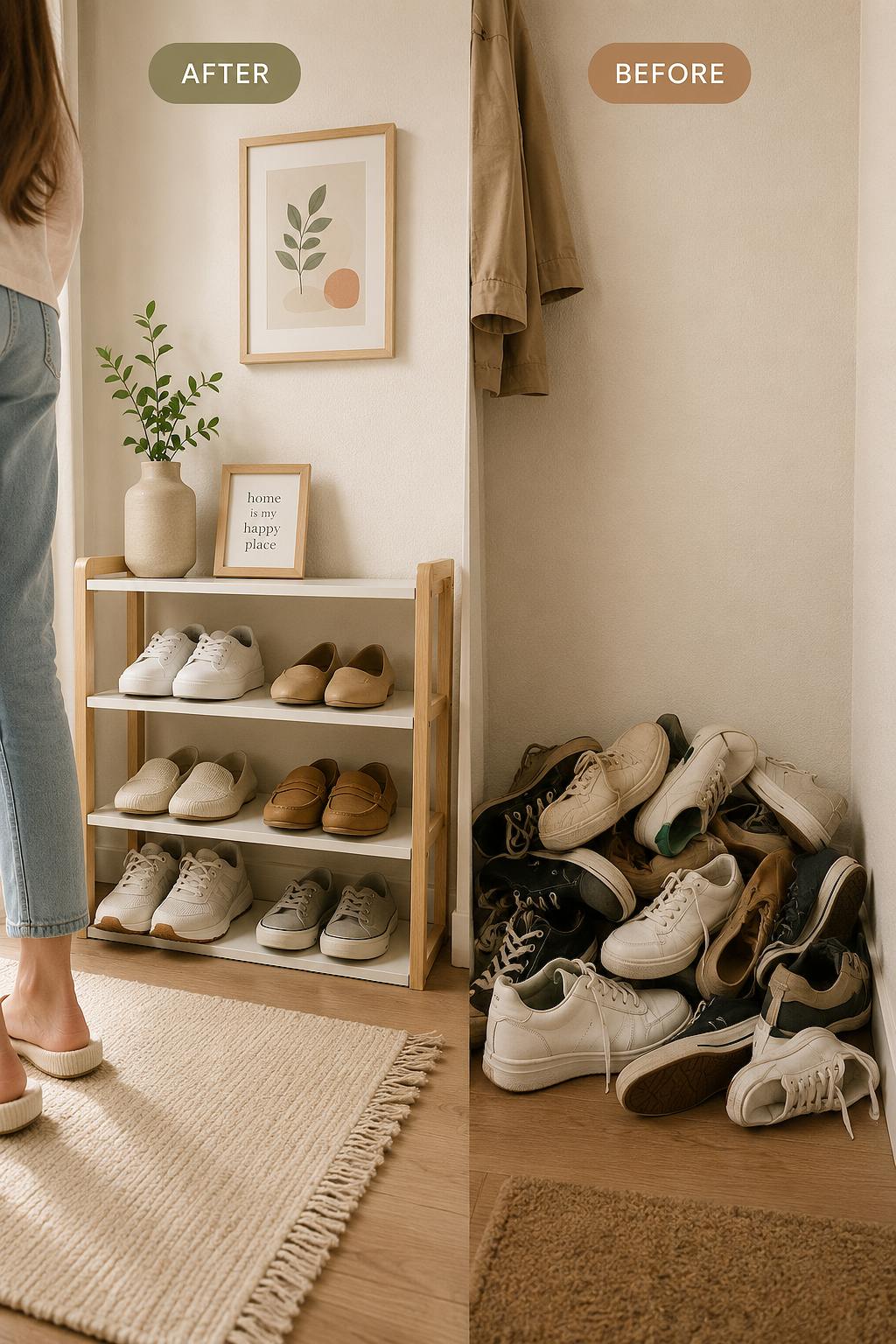
Let me be honest: I didn’t think about shoe racks until I lived in a place with no closet space. Suddenly, I was tripping over footwear constantly. Shoes were breeding chaos, and my brain was wasting energy just remembering where things were. Once I invested in a proper shoe rack design, everything shifted. Mornings became smoother. I could actually see what I owned. I stopped buying duplicate sneakers because I’d forgotten I already had three pairs.
Most people underestimate how much a disorganized shoe situation actually costs them mentally. Your entryway becomes a visual mess that primes you to feel scattered before you even leave the house. FYI: clutter in your entry zone has been shown to increase decision fatigue, which sounds dramatic but absolutely tracks when you’re standing in front of a pile of shoes trying to pick an outfit.
A well-designed shoe rack solves this by creating a system. Not every rack design works for everyone some prioritize visibility, others maximize vertical space, and some prioritize aesthetics. The best choice depends on how many shoes you own, your home’s layout, and whether you value looking fancy or just getting stuff organized.
There’s also the practical side nobody talks about: worn shoes damage faster when they’re stacked or crammed together. Leather creases unevenly, soles press against each other, and the shape gets compromised. A proper shoe rack design actually extends the lifespan of your footwear by giving each pair breathing room. You’re protecting an investment even basic sneakers cost money. When you treat shoe storage seriously, you’re treating your purchases with respect, which naturally makes you more thoughtful about what you buy next.
Beyond the physical benefits, there’s something psychological about having an organized entryway. You walk past it every day, multiple times. If it looks intentional and calm, you feel a little more in control. If it looks chaotic, you carry that visual stress with you. Interior designers call this “visual weight,” and it’s real. A cluttered shoe pile adds invisible weight to your mental load. Clearing it doesn’t just organize your stuff it quietly improves your mood.
The Main Shoe Rack Design Types (And When Each Works)
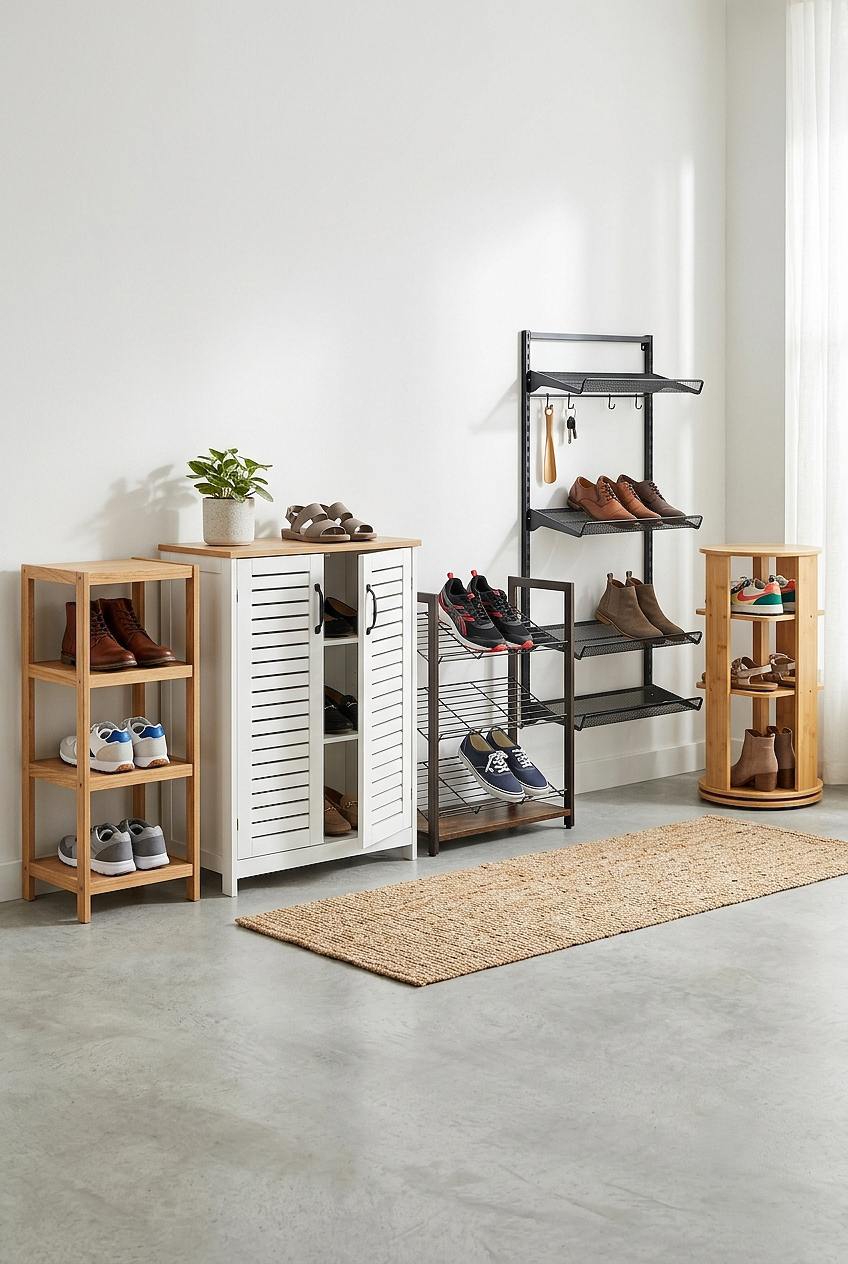
Here’s where it gets practical. Not all shoe racks are built the same way, and choosing the wrong style for your situation is like wearing winter boots in the summer technically possible, but unnecessarily uncomfortable.
Open Shoe Racks: Maximum Visibility
Open shoe racks are what they sound like: shelves with no sides or back. You’re buying simplicity and visibility. Every shoe is instantly accessible, and you can see your entire collection at a glance. The tradeoff? They collect dust, and they work best when your shoes are actually nice-looking because everyone sees them. If you’re someone who cycles through athletic shoes, casual sneakers, and work heels, an open rack keeps everything within arm’s reach without hunting through boxes.
Open designs come in countless materials: bamboo, metal, wood, or plastic. Bamboo options feel natural and pair well with minimalist decor. Metal racks read more industrial and work in modern or industrial spaces. Wood tones anchor a space and feel warm. The material you choose affects both durability and aesthetics, so think about your existing furniture. An open shoe rack design essentially becomes a piece of decor visitors will notice it, so it needs to feel intentional.
One advantage of open racks is their affordability. Since there’s no backing or doors, manufacturing costs stay low, which means you’re not paying extra for materials you don’t strictly need. You can find quality open racks at every price point, from budget-friendly to designer-quality.
Closed or Partially Enclosed Designs: Hidden Organization
Closed or partially enclosed designs trade some visibility for dust protection and a cleaner visual line. Shoe cabinet designs with doors or solid backs hide the chaos while still providing access. These work brilliantly if you have limited space or if your shoes don’t spark joy aesthetically. They’re also the move if you want your entryway to look intentional rather than like a shoe store exploded there.
Closed shoe rack designs come with a hidden advantage: you can be messier inside without anyone knowing. Shoes don’t have to be perfectly arranged because nobody’s seeing the interior. This alone reduces stress for people who care about appearance but struggle with maintenance. You get the organized benefit without needing to maintain Instagram-worthy presentation.
Cabinet-style designs also offer climate control. If you live somewhere humid, a closed system protects shoes from moisture damage. Suede, canvas, and delicate materials stay safer inside an enclosed unit. In dry climates, this matters less, but in coastal or tropical regions, it’s genuinely valuable. Some people add silica packets or small dehumidifiers inside closed racks to maximize protection.
The downside is accessibility. You can’t grab a shoe as quickly when you’re fighting past doors. But if you’re not in a rush most mornings, this is a minor inconvenience worth trading for a polished-looking entryway.
Tiered or Slanted Shoe Racks: Efficiency Master
Tiered or slanted shoe racks angle your shoes forward so you can see the toe of each pair without removing it. This design is genius for people who have lots of similar-looking shoes think multiple black heels or neutral sneakers. You won’t waste time pulling out the wrong pair. Tiered racks also pack more shoes into less floor space than traditional designs.
Slanted designs maximize visibility while minimizing footprint. Your shoes stay visible at a glance, which makes maintaining the system easier. People tend to keep organized systems that make sense visually tiered racks naturally encourage this because you can see everything without effort.
Tiered shoe rack designs also reduce physical strain. You’re not bending down as far to access lower shoes because they’re angled forward. For people with knee issues, back problems, or mobility concerns, this matters more than you’d think. Accessibility-focused design isn’t just about inclusion it’s about sustainability. If your rack hurts to use, you’ll stop using it.
Wall-Mounted Systems: Space-Savers for Apartments
Wall-mounted systems are the space-savers for apartments or small homes. They climb vertically, keeping your floor clear and your square footage flexible. Some use hanging organizers with pockets, others are sleek rail systems with brackets. Wall-mounted shoe rack designs demand a bit more installation effort but reward you with reclaimed floor space.
Wall mounting requires drilling and anchors, which isn’t ideal in rental situations. But if you own your home or have landlord approval, going vertical changes your space completely. A wall-mounted rack can hold 15+ shoes while taking up zero floor area. For studio apartments or tiny bedrooms, this is life-changing.
The design aesthetic varies wildly. Industrial metal rails feel modern and urban. Wooden wall-mounted shelves feel farmhouse or traditional. Hanging fabric organizers feel practical and compact. Choose a style that matches your decor rather than defaulting to whatever’s cheapest online.
One consideration: wall mounting works best for lighter shoes. If you’re storing heavy winter boots and work shoes exclusively, the weight load becomes relevant. Check weight ratings before purchasing, and install using proper wall anchors for your wall type (drywall, plaster, brick all differ).
These designs shine in dedicated closet spaces with good square footage. They’re not entryway-friendly unless you have a large foyer they need room to spin freely. But in a walk-in closet? They’re organizational gold. You can store more shoes per square foot than any other method because the rotation means no wasted access space.
The tradeoff is cost. Rotating racks cost significantly more than stationary options. They’re mechanical, which means more to break. But for serious shoe collectors, the convenience often justifies the price. Consider this option only if you genuinely have so many shoes that finding things on a static rack feels burdensome.
Matching Your Shoe Rack to Your Real Life
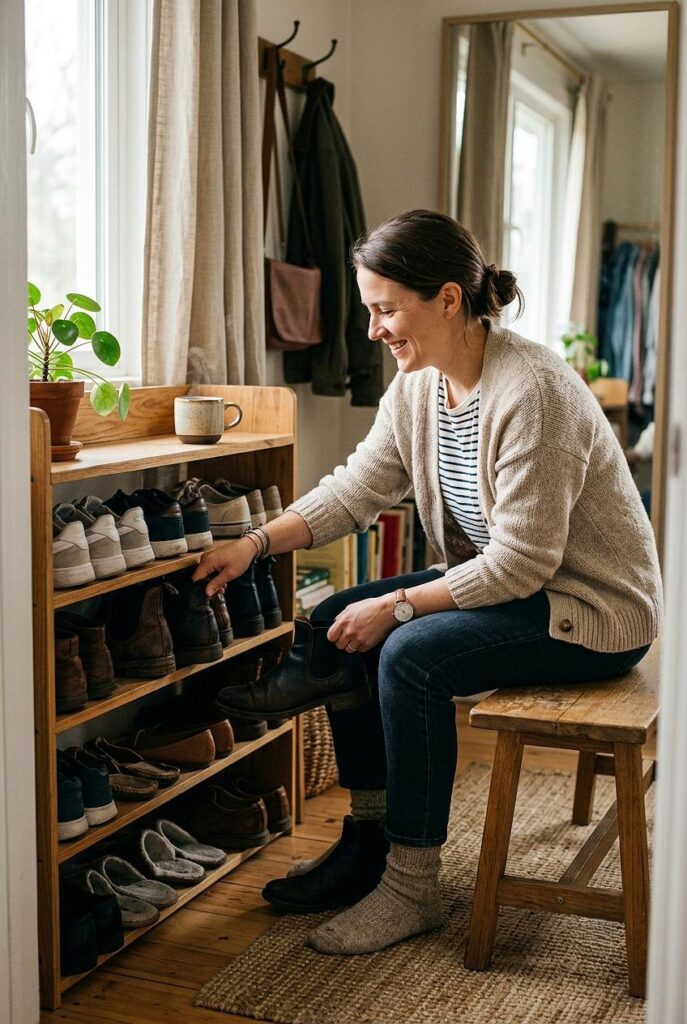
Here’s the question most people skip: What does your actual shoe behavior look like? Not your aspirational behavior your real, daily behavior.
Do you rotate through ten pairs constantly, or do you have a sprawling collection you rarely access? Are your shoes beautiful enough to display, or functional enough to hide? Do you have a mudroom, or are you storing shoes near your dining table? How often do you add to your collection?
Accounting for Your Collection Size
If you’re an active accumulator constantly buying new shoes you need a design that accommodates growth without feeling cramped within six months. Modular or expandable shoe racks let you add sections over time, which beats replacing an entire unit because it’s suddenly too small. Some brands design racks with the option to stack units or add additional shelves.
Think about your buying patterns honestly. Do you shop seasonally, or do you add shoes year-round? Are you the type to keep shoes forever, or do you regularly donate or discard worn pairs? Someone who keeps 200 shoes permanently needs different storage than someone who rotates seasonal shoes and regularly purges.
Curating vs. Collecting
If you have a curated collection of shoes you genuinely love, an open design with solid wood or metal construction becomes furniture rather than just storage. You’d want something that looks intentional because people will see it. IMO, this is where higher-end shoe rack designs justify their price: they’re built to be visible and to look good doing it.
The aesthetic appeal matters here. A beautiful wooden rack with well-maintained leather shoes arranged thoughtfully becomes a conversation piece. A hastily assembled plastic rack crammed with mismatched footwear becomes background clutter. If you’re going open, invest in the presentation.
Climate and Environmental Factors
Climate matters too. If you’re in a humid environment, solid-backed designs protect shoes better than open racks. If you live somewhere dusty, closed systems prevent you from cleaning shoes constantly. Your geography actually influences your shoe rack design choice more than you’d think.
Humidity causes leather to warp, canvas to swell, and suede to develop mildew spots. In places like Miami, Houston, or Seattle, closed-system shoe racks aren’t optional they’re protective equipment. In dry climates like Arizona or Denver, open racks won’t cause the same damage because moisture isn’t a factor.
Temperature swings matter too. Places with extreme seasonal changes stress materials. Shoes expanding and contracting with temperature fluctuations damage glues and stitching over time. A temperature-stable closet with a closed shoe rack design protects against this better than an entryway near windows.
Maximizing Function Without Sacrificing Flow
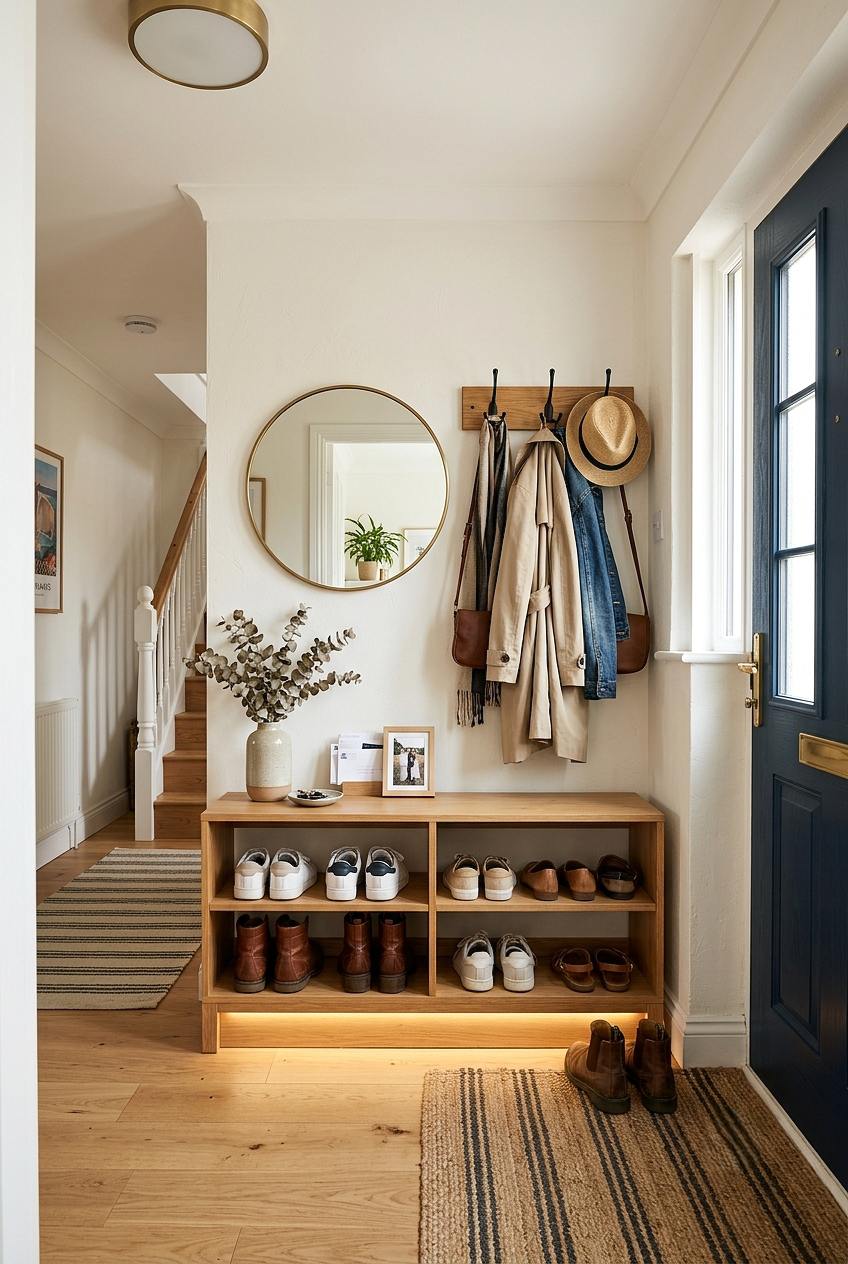
Now let’s talk about actually using the space you’ve chosen. The best shoe rack design in the world underperforms if the placement makes your life harder.
Placement Strategy
Position matters enormously. Shoe racks in your bedroom are convenient for getting dressed, but they mean dust settles on clothes. Entryway racks keep shoes out of living spaces and make it obvious when you’re tracking in dirt. Closet racks maximize hidden storage but require you to navigate deeper into the closet each time. There’s no objectively correct spot only what works for your home’s flow.
Think about your morning routine. Where are you when you decide which shoes to wear? If you’re already in your closet getting dressed, a closet-based shoe rack makes sense. If you’re moving toward the door with your bag and jacket, an entryway rack prevents backtracking. Efficiency comes from matching storage location to your actual movement patterns, not from design principles that don’t fit your home.
Organization Systems That Actually Stick
Organization systems matter too. Some people organize by shoe type (heels, flats, sneakers), others by color or season. The system that works is the one you’ll actually maintain. If you find yourself shoving shoes wherever they fit, your system is too complicated.
I know someone who organizes by “frequency of wear” front row is daily shoes, middle row is weekly, back row is rarely worn. She finds exactly what she needs without overthinking. Another friend organizes by occasion: work shoes, date-night shoes, athletic shoes, casual shoes. Both systems work because they match how their brains naturally sort information.
The key is building a system you won’t abandon. Something visual and intuitive beats something requiring written rules or mental categories.
Height Accessibility
Consider height accessibility. Frequently worn shoes should live at eye level or comfortable bending height. Seasonal shoes or backups can go higher up or lower down. This sounds obvious, but many shoe rack designs put premium space at awkward levels, which defeats the purpose. Your most-worn shoes should require the least effort to access.
For people under 5’6″, premium storage shouldn’t be at the very top shelf. For taller folks, mid-level storage might feel higher than necessary. Customize your rack usage based on your actual reach, not standard recommendations.
Lighting Considerations
Lighting changes everything too. If your shoe rack lives in a dim corner, you’ll fumble more and have a harder time keeping it organized. Adding a small peel-and-stick LED strip or positioning the rack near natural light pays dividends.
This is why so many people’s bedroom shoe racks look messier than they intend they’re choosing shoes in low light, can’t see clearly, and lose motivation for neatness. A simple light strip transforms the experience. Some wall-mounted systems come with integrated lighting, which is worth considering if your storage area is naturally dark.
The Real Test: Does It Stick?
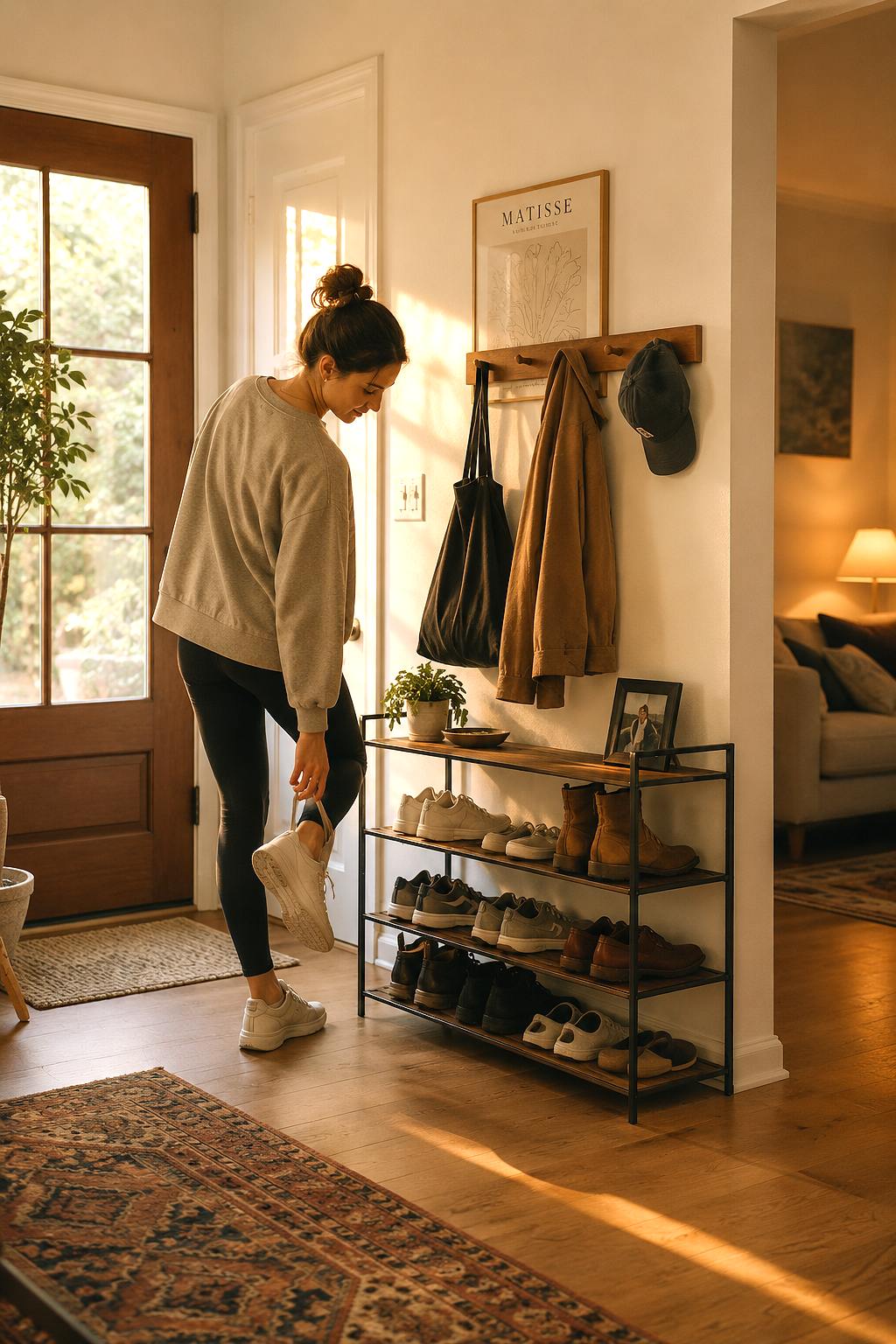
Here’s what separates functional shoe rack designs from the ones that gather clutter: Does your system feel natural, or does it require discipline?
Building Systems You’ll Maintain
The best design is one you don’t have to think about. You reach for a shoe, use it, and can return it to the rack without friction. If your system requires you to remember rules or navigate complexity, you’ll stop using it within weeks. I’ve seen expensive, beautiful shoe racks become coat hangers and catch-alls because people defaulted to easier methods like tossing shoes on the floor.
A solid shoe rack design should enhance your natural behavior, not fight against it. If you’re someone who kicks shoes off and walks away, buy a rack with a wide, easy-access entrance, not one with tiny compartments requiring precision placement. If you’re detail-oriented and love systems, invest in labeled sections or tiered displays.
Materials and Durability
The lifespan of your shoe rack matters too. Cheap particle board units warp and fail within a couple of years if they’re bearing real weight. Solid construction pays for itself through longevity, especially if you’re storing a substantial collection.
Bamboo holds up well over time and resists moisture better than standard wood. Metal racks rarely fail structurally but can rust if exposed to humidity. Real wood (oak, walnut, pine) lasts decades if maintained. Plastic is lightweight but degrading UV exposure yellows it, and frequent use can crack components.
Budget for quality here if you can. A $200 rack that lasts eight years is cheaper per year than three $80 racks that fail every two years. You’re also not dealing with the hassle of repeatedly replacing broken storage.
Cost vs. Value
Higher price doesn’t always mean better design, but it usually means better materials. A $50 rack might be perfectly functional for a small collection. A $300 rack might be prettier but not more practical. Find the intersection between your actual needs and your budget, not the most expensive option or the cheapest.
Some questions to guide purchasing: Will this rack still be useful in five years? Does the design match my home’s aesthetic, or will I hide it? Can I easily add to this system if my collection grows? Is the assembly process realistic, or am I paying for installation separately? Answering these honestly prevents buyer’s remorse.
Maintenance Reality
All shoe rack designs require some maintenance. Open racks need dusting. Closed systems need occasional airing out. Shoes themselves need cleaning, which is outside the rack’s responsibility but affects how long they last and how the rack looks with shoes on it. Factor this into your expectations.
If you’re not naturally tidy, a hidden system removes the visual stress of maintenance. You don’t need perfect shoes on display you just need them stored. This isn’t laziness; it’s self-awareness about what systems you’ll actually sustain.
FAQ’s
What’s the best shoe rack design for small apartments?
Wall-mounted shoe rack designs maximize vertical space without consuming floor area—perfect for compact living situations and tiny entryways.
How do I know if a shoe rack will last long?
Solid wood or metal frames outlast particle board significantly. Invest in durable construction to avoid replacing your shoe rack frequently.
Can I use the same shoe rack design for all shoe types?
Tiered shoe rack designs accommodate varied styles well, but prioritize what you wear most. No universal solution fits everyone equally.
Does an open shoe rack protect shoes from dust?
Open shoe rack designs collect dust, so choose closed options if protection matters. Visible shoes should be display-worthy to justify exposure.
Why do people stop using their shoe racks?
Systems requiring excessive discipline fail over time. The best shoe rack design works naturally with your habits, not against them.
CONCLUSION
The Takeaway: Your Shoes Deserve Better Than the Floor
Your shoe rack design choice seems small, but it ripples into your daily routine. The right system creates a home where things have places, where mornings feel less hectic, and where you can actually see what you own. Whether you pick an open unit, a sleek cabinet, a wall-mounted system, or something else entirely depends on your space, your collection, and your actual habits.
Pick something real. Something that works for you, not for the Pinterest aesthetic. Something you’ll use without resentment and maintain without grinding your teeth. Then watch how much smoother your mornings become because they will. That small change compounds faster than you’d expect.