
traditional kitchen
By Anna Grace | 14 March 2026
Why Your Traditional Kitchen Design Lasts Longer Than Every Trend Combined
Your grandmother’s kitchen probably had worn wooden cabinets, a porcelain sink, and an unhurried atmosphere where everything felt like it belonged exactly where it was. That wasn’t accident or budget limitation it was tradition doing what it does best: creating spaces that actually work. While every design trend under the sun has cycled through kitchens over the past decade, the traditional kitchen remains the one style homeowners keep coming back to, and that’s not nostalgia talking. It’s function meeting form in a way that modern minimalism often fails to deliver.
The traditional kitchen isn’t trying to prove anything. It doesn’t need the latest matte-black hardware or a wall of open shelving to look impressive. Instead, it trades on something more valuable: the confidence of a design that’s stood the test of time. But what exactly makes a kitchen “traditional,” and why should you care if you’re planning a renovation or just curious about kitchen design?
What Actually Defines a Traditional Kitchen
A traditional kitchen pulls from design language that emerged decades ago think early 1900s through the 1980s, though the aesthetic really crystallized around the mid-century period. You’ll recognize one instantly because certain markers appear consistently: natural wood cabinetry, typically in darker or honey-toned finishes; hardware that feels substantial rather than sleek; countertops in granite or butcher block; and backsplashes featuring subway tile, patterned ceramic, or simple beadboard.
But the real signature of a traditional kitchen? It prioritizes functionality over flash. Every design choice serves a purpose beyond looking cool on Instagram. Open counters aren’t a style statement here they exist because people actually use them. Deep drawers store what matters. Cabinet doors close to hide the everyday clutter that real cooking generates.
The color palette leans conservative but warm: creams, taupes, soft grays, or whites paired with wood tones that ground everything. You won’t find shocking contrasts or adventurous color combinations. Instead, you get combinations that whisper rather than shout and somehow, they never look dated because they started from a place of restraint.
The generational appeal matters here too. Your parents probably recognize a traditional kitchen instantly because they grew up with something similar. That recognition triggers comfort neuroscientific research shows we’re hardwired to feel safe in spaces that mirror our childhood environments. Unlike ultra-modern kitchens that demand you learn new patterns or accept a specific lifestyle, traditional kitchens invite you to settle in and cook the way you’ve always cooked. A traditional kitchen doesn’t ask you to adapt; it adapts to you.
What’s fascinating is how traditional design emerged from genuine necessity rather than aesthetic choice. Those wood cabinets came from available materials. That layout followed how people actually prepared food generations ago. Those hardware choices reflected durability over novelty. So when you choose a traditional kitchen today, you’re not romanticizing the past you’re inheriting solutions that thousands of kitchens have already proven work under real conditions. No theoretical design here, just proven results.
The traditional kitchen also bridges economic reality better than other styles. Solid wood cabinets and granite countertops cost money, sure, but they’re not bleeding-edge investment pieces that only make sense if you’re completely gutting everything. You can build a traditional kitchen gradually, piece by piece, mixing new elements with rescued or refinished pieces. This flexibility makes traditional design accessible in ways that require-everything-matching styles simply aren’t.
The Core Design Elements That Actually Matter
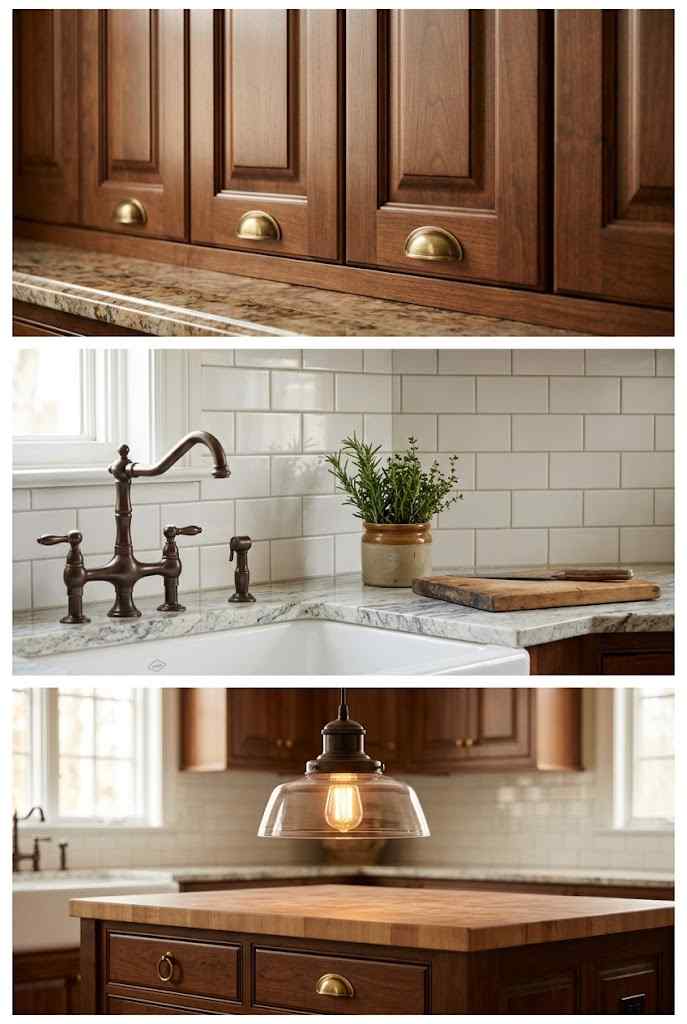
Here’s what pulls together a recognizable traditional kitchen design:
Cabinetry forms the backbone. These cabinets typically feature raised panel or shaker-style doors real hinges you can see, not hidden European mechanisms. Wood construction dominates, and the finish varies from painted white (farmhouse traditional) to stained cherry or oak (formal traditional). The key difference from modern kitchens: traditional cabinetry covers everything. You won’t spot floating shelves or glass-front cabinets taking up wall space, though some homeowners do use one or two glass-fronted units as accents.
Hardware and fixtures show the devil in the details. Rather than minimalist bar pulls, traditional kitchens favor cup pulls, ring pulls, or knobs in bronze, brass, or brushed nickel. Faucets come with curves and substantial bases, not spindly or geometric. The sheer presence of these elements signals quality you can feel them when you reach out, which matters after you’ve grabbed them 10,000 times.
Countertops lean durable and tactile: granite with movement, solid wood for warmth, or sometimes laminate in neutral tones that purposefully avoid trendy finishes. Backsplashes typically run in subway tile arranged in classic running bond, though some traditional kitchens feature geometric tiles, beadboard, or even simple painted drywall. The idea stays the same protection and visual interest without demanding attention.
Lighting balances task and ambiance. Pendant lights over an island might feature schoolhouse or early industrial styling. Under-cabinet lighting gets installed for utility rather than drama. A central ceiling fixture provides general illumination, and windows stay ungated by heavy treatments sunshine does the decorating work.
Flooring choices include wood in medium to darker tones, ceramic tile in warm colors, or vinyl that mimics stone. You won’t find polished concrete or trendy matte finishes. The flooring should feel grounded and lived-in from day one, not like you’re walking on a gallery installation.
One element worth mentioning: wood species selection shapes everything. Oak carries a bold grain pattern and reads more casual-country. Cherry offers deeper warmth and sophistication. Maple provides subtle elegance with quieter grain. Walnut delivers dramatic richness for formal traditional spaces. This isn’t splitting hairs the wood you choose literally sets the personality of your entire kitchen. When shopping for traditional kitchen cabinets, spend time comparing wood species in person under various lighting. What looks perfect in a showroom’s bright lights might feel heavy in your actual kitchen with its specific natural light pattern.
Paint selections deserve attention too, especially if you’re choosing painted traditional cabinets. Not all whites read the same some feel clinical and sterile, others warm and inviting. Benjamin Moore’s “Swiss Coffee” and Sherwin Williams’ “Alabaster” carry warmth without appearing dingy. If you’re leaning toward painted cabinets, test samples on actual cabinet doors in your kitchen across multiple times of day. The right white makes traditional design feel timeless; the wrong white makes it feel unfinished.
Hardware finish coordination creates subtle sophistication that most people overlook. Mixing finishes (brass with brushed nickel, for example) risks looking accidental rather than intentional. Traditional kitchens perform best when hardware finish commits to one story all brushed bronze, all antique brass, all brushed nickel. This consistency signals that decisions were thoughtful, not random. It’s the difference between a curated traditional kitchen and one that accumulated pieces over time without vision.
Why Traditional Kitchen Design Still Outperforms Everything Else
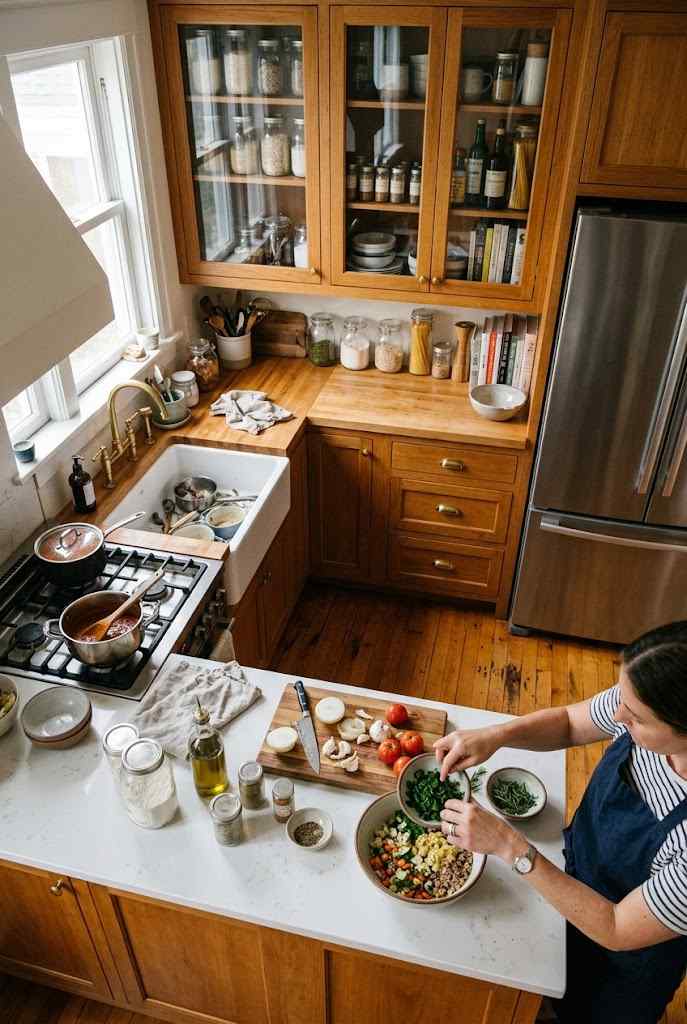
Fast-forward to 2026. We’ve seen industrial kitchens peak and plateau. Farmhouse got overdone. Open concepts proved isolating for people who actually cook (I learned this the hard way my kitchen smells reach my living room now, and nobody likes the garlic invasion). Yet traditional kitchens continue gaining in popularity among people doing real renovations, not just chasing trends.
The reason? They work actually work at a practical level. A traditional kitchen organizes itself logically. The work triangle (sink, stove, refrigerator) flows naturally. Cabinets provide genuine storage instead of creating a visual puzzle of where your mixing bowls live. When you’re elbow-deep in dinner prep, fighting with design choices isn’t your priority.
There’s also something psychologically grounding about a traditional kitchen. Trends move fast what felt cutting-edge in 2018 looks dated by 2024. But a well-executed traditional space doesn’t ask you to follow trends; it asks you to settle into comfort. You won’t wake up one morning feeling like your kitchen looks “old” because traditional design never really left, so it can’t become outdated.
From a resale perspective, traditional kitchens move properties in ways that statement kitchens sometimes don’t. Potential buyers can envision themselves cooking there. It reads as safe, functional, invested-in not experimental.
Consider the resale economics specifically. Real estate data from the past five years shows that kitchens featuring traditional design elements command higher buyer engagement and shorter time-on-market compared to homes with highly trendy or experimental kitchen styles. Potential buyers don’t need to envision themselves investing to change it they can already see themselves cooking there, which accelerates decision-making. This isn’t just preference; it’s practical market intelligence about what moves properties.
The maintenance story also favors traditional kitchens. That granite countertop? It wears gracefully, developing a patina that signals longevity rather than deterioration. Wood cabinetry can be refreshed with new stain or paint without structural replacement. Hardware can be swapped without triggering cabinet redesign. Unlike kitchens built around specific trendy components that become unavailable or unfashionable, traditional kitchens integrate replaceable parts within a stable design framework. Your kitchen doesn’t become obsolete when trends shift; it simply refreshes.
There’s also reduced design decision fatigue with traditional kitchens. Modern and contemporary styles require you to commit to specific choices finishes, textures, geometric precision that either harmonize perfectly or clash painfully. Traditional design absorbs minor inconsistencies better because its visual language already includes warmth, variation, and subtle complexity. You have wiggle room. Your cabinets don’t need to match perfectly; they need to harmonize with the overall warm, inviting aesthetic. This tolerance for variation makes traditional kitchens forgiving spaces that improve over time rather than requiring constant visual justification.
Adapting Traditional Design to Your Actual Space
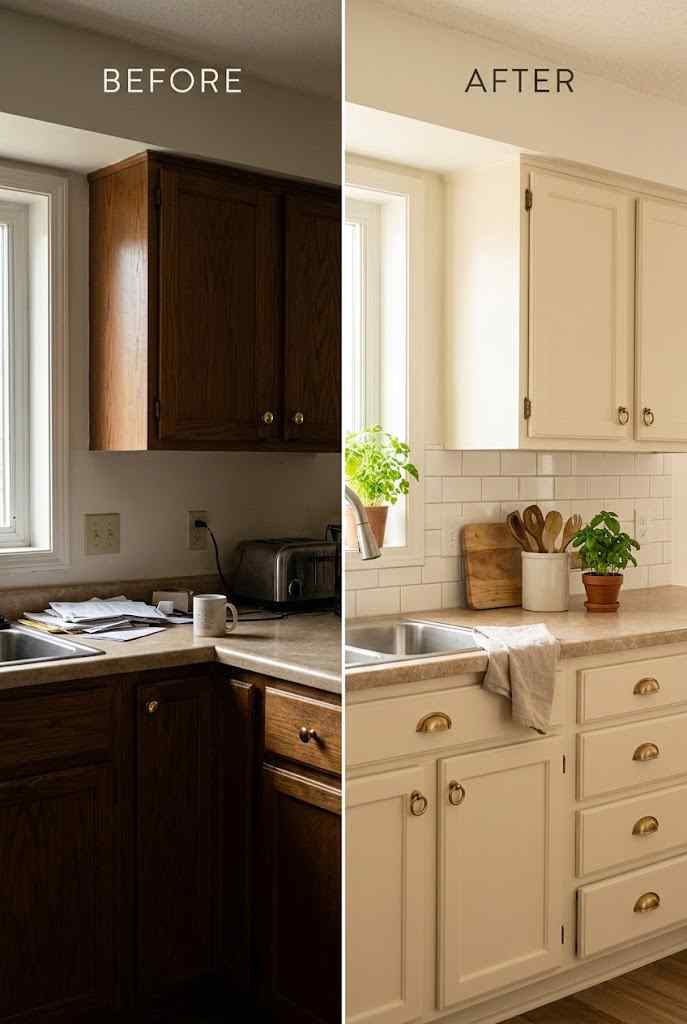
Want the traditional kitchen feeling without gutting everything? Start with what already exists and layer in classic elements strategically.
If you’re starting from scratch: source solid wood cabinets or quality wood-veneer options from established brands. Pair them with a traditional backsplash subway tile laid traditionally works every single time. Choose countertops in neutral natural stone or wood. Add hardware that feels weighty and purposeful, not flimsy. Lighting should include at least one statement piece (a chandelier, clustered pendants, or a proper island fixture) alongside practical task lighting.
If you’re working with existing bones: paint cabinet doors in classic colors (white, cream, soft gray) while keeping the frame structure. Replace outdated hardware this alone transforms perception. Update the backsplash if it’s severely dated. A new faucet costs less than you’d think but changes everything about how the kitchen reads.
On a genuinely tight budget: focus on hardware, lighting, and backsplash. These three elements create 80% of traditional kitchen character without requiring full cabinetry replacement. Fresh paint on existing cabinets plus traditional-styled hardware immediately signals intentional design rather than neglect.
The honest truth about achieving traditional style: you’re not hunting for one-of-a-kind pieces or chasing disappearing trends. Everything you need exists in multiple price tiers across multiple retailers. Unlike ultra-modern or highly specific aesthetic kitchens, traditional design includes accessible options at every budget level.
Before committing to any updates, audit what you already have. Many kitchens that feel “outdated” are actually just tired wrong hardware, dated backsplash, or cabinet color that’s lost vibrancy. Assess whether your existing bones support traditional style. If you have solid cabinet structure (no particle board interiors, no significant damage), you’re likely working with something salvageable. Test how the existing layout performs for you before redesigning around it. Sometimes the kitchen feels wrong because of workflow issues, not because it lacks traditional character.
When sourcing materials, resist the urge to buy everything at one place to “save time.” Traditional kitchen design benefits from thoughtful curation. Your cabinet builder might source from one supplier, your countertop from another, your hardware from a specialty vintage or reproduction source. This approach takes longer but creates depth and authenticity you won’t achieve with matched sets. The best traditional kitchens feel like they’ve been developed intentionally over time, not installed as a single package.
Consider your region and home’s architectural style when planning adaptations. A traditional kitchen in a Victorian cottage looks different from a traditional kitchen in a 1970s ranch, though both share core design language. The traditional kitchen should feel native to your home’s bones, not like it got transplanted from somewhere else. Work with your existing home’s proportions, ceiling height, and architectural character. Forcing a formal, detailed traditional aesthetic into a simple ranch home reads as uncomfortable; instead, lean toward simpler, cleaner traditional elements that respect your home’s actual personality.
Blending Traditional with Contemporary Needs
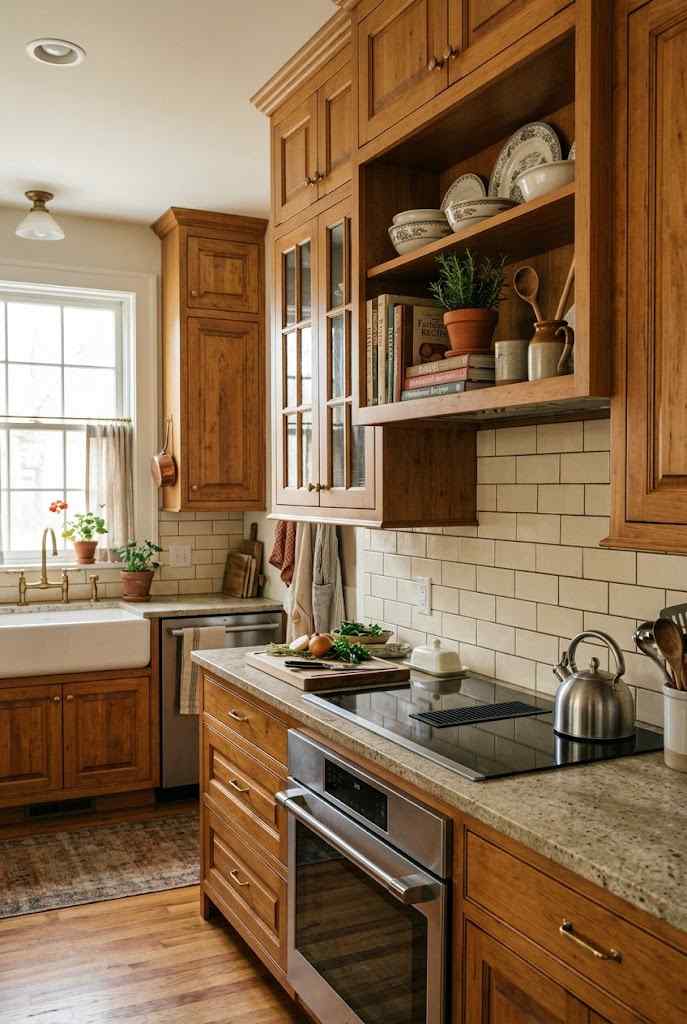
Modern life sometimes clashes with purely traditional aesthetics and that’s fine. Smart kitchens can integrate subtle modern conveniences without breaking the traditional aesthetic.
Stainless steel appliances, though technically “modern,” actually work in traditional spaces when the cabinet color and hardware balance them. Keep them understated; resist the urge to make the refrigerator a design statement.
A small section of open shelving works alongside closed cabinets it’s not betraying tradition to include some visible storage, just don’t make it the entire wall. Consider displaying things you actually want people to see: vintage dishware, cookbook collections, a few ceramic pieces. Styled open shelving in a traditional kitchen feels intentional, not like a Pinterest failed experiment.
Technology integration can hide inside traditional design easily. Your induction cooktop, dishwasher, and Wi-Fi-enabled appliances operate behind cabinet fronts or within conventional styling. Nobody needs to see your kitchen is modern; they just need to see it’s well-designed.
Smart storage solutions deserve emphasis here. Modern pantry systems pull-out shelves, organizational inserts, deep drawers with dividers fit seamlessly within traditional cabinet structures. You’re not compromising traditional aesthetics to gain functionality; you’re upgrading the inside while maintaining the outside. Soft-close hinges and drawer gliders work silently on traditional doors, adding convenience without changing how the kitchen looks or feels. These hidden upgrades let you enjoy modern comfort within a traditional visual framework.
Digital integration creates another interesting opportunity. A traditional kitchen can accommodate modern conveniences under-cabinet tablet holders for recipes, charging stations hidden in drawers, WiFi-enabled appliances controlled from your phone without broadcasting technology. The hardware stays traditional while the functionality becomes genuinely contemporary. Nobody needs to know your oven connects to an app; they just see a beautiful traditional kitchen that works really well.
Lighting represents one of the smoothest places to blend eras. A traditional pendant fixture over your island looks authentically period while incorporating LED bulbs, dimmer switches, and smart controls. You get the warmth and character of traditional design with energy efficiency and flexible brightness control that modern living actually requires. This approach works because lighting design doesn’t scream its era the way cabinet styling does; it bridges comfortably between traditional form and modern function.
FAQ’s
Can I add modern appliances to a traditional kitchen without it looking out of place?
Yes. Integrate stainless steel appliances subtly within cabinetry, and the traditional aesthetic remains cohesive and functional together successfully.
What’s the actual cost difference between traditional and modern kitchen designs?
Traditional kitchens typically cost similar amounts upfront the difference lies in longevity traditional designs require fewer expensive updates over time.
How do I prevent my traditional kitchen from looking dated in five years?
Choose neutral colors, quality materials, and timeless hardware finishes. Avoid trendy backsplash patterns or temporary design fads that date quickly.
Is painted or stained wood better for traditional kitchen cabinets?
Both work well depending on your space. Painted cabinets offer flexibility and cleaner lines; stained wood showcases grain and feels warmer overall.
What makes traditional kitchen hardware different from modern hardware?
Traditional hardware emphasizes visible quality substantial cup pulls, ring pulls, and brass finishes versus modern minimalist bar pulls and hidden mechanisms.
CONCLUSION
Here’s the uncomfortable truth about kitchen design: every major trend since 2010 has promised to change how we cook, but the only real innovation that mattered was making the space more functional and organized. Traditional kitchens have been delivering that for a century. They don’t need reinvention because they worked from the start.
If you’re planning a renovation, don’t default to traditional because it’s “safe.” Choose it because it solves real problems in your daily life storage that makes sense, a layout that flows, an aesthetic that improves with age rather than looking stale in five years.
Your future kitchen doesn’t need to whisper about heritage or prove anything to anyone. It just needs to be a place where you can cook, feed people you care about, and not regret your design choices by next Tuesday. That’s what traditional kitchens do best.