
White sofa
By Anna Grace | 20 April 2026
How a Crisp White Sofa That Elevates the Entire Living Room
I get it suggesting a white sofa to someone sounds like relationship sabotage. Coffee stains, red wine, chocolate fingerprints from that couch movie marathon… the mental images write themselves. But here’s the thing white sofas have quietly become the design power move of 2024, and it’s not because people suddenly stopped eating on furniture. The real story is way more interesting.
White sofas aren’t just having a moment. They’re reshaping how people think about living spaces, especially in smaller homes where light and openness matter. The reason? A quality white sofa does something no other color can pull off at quite the same level it makes a room feel instantly bigger, airier, and honestly kind of timeless.
The Resurgence Makes Sense If You Know the Context

Five or six years ago, everyone pivoted to greige, soft brown, and “safe” neutrals because white felt too risky, too high-maintenance, too whatever. But furniture design has shifted. Fabrics have gotten smarter. Scotchgard works better than it used to. And somewhere along the way, people realized that living in a house designed around furniture upkeep, rather than life, is backwards.
The white sofa trend picked up momentum partly because of Instagram and design culture (yes, really), but mostly because people began asking why they were hiding their living rooms under dark covers. If you’re spending thousands on furniture, shouldn’t you actually enjoy looking at it?
What changed the game: Manufacturers developed performance fabrics linen blends, high-thread-count cottons, and specially treated microfibers that handle stains better than old-school white upholstery. They’re still white, still beautiful, but they don’t demand you live like you’re in a museum.
Another factor driving the white sofa resurgence is the rise of “quiet luxury” and minimalist design aesthetics. People got tired of maximalism and started craving spaces that feel calm rather than busy. A white sofa anchors that vibe without screaming for attention. It becomes the foundation for a room, not the statement piece that dominates everything else.
Plus, there’s something psychologically refreshing about waking up to a bright, neutral room. Studies on interior color psychology show that lighter spaces actually reduce cortisol levels and create a sense of calm. Your sofa isn’t just sitting there looking pretty it’s quietly improving your mental state, which is frankly worth more than avoiding the occasional wine spill.
The Design Magic White Actually Creates

This is where the white sofa stops being a risky choice and becomes strategic. Light-colored upholstery fundamentally changes how a room reads. It reflects light instead of absorbing it. In smaller apartments or homes with fewer windows, that reflection creates a sense of space that larger furniture in darker tones simply cannot deliver.
Think about the last time you walked into a room with a white or cream sofa against a neutral wall. Your eye moves around the space instead of getting anchored to a dark shape in the middle. The room breathes.
Styling flexibility matters too, which often gets overlooked in the “white sofas are hard to keep clean” conversation. A white sofa plays well with literally every color. Throw pillows in navy, emerald, mustard, blush anything works. Dark accent chairs, a patterned rug, colorful wall art nothing clashes. You’re not locked into a palette the way you might be with a charcoal or sage sofa.
What makes white particularly clever for smaller homes is that it eliminates visual clutter. Dark sofas create hard boundaries in a room they say “this is where the furniture is.” White sofas dissolve into the background, letting architectural details, artwork, and other design elements take center stage. Your eyes aren’t immediately drawn to a massive dark shape instead, they travel across the entire space, making it feel larger and more intentional.
Rental markets and apartment dwellers especially benefit from this flexibility. You’re not locked into a specific design direction because your sofa dictates the room’s color story. Whether you’re into Scandinavian minimalism, eclectic maximalism, or transitional design, a white sofa works seamlessly. That adaptability means you can experiment with different styles without replacing furniture every two years, which is both financially smarter and better for your wallet long-term.
The Honest Maintenance Conversation
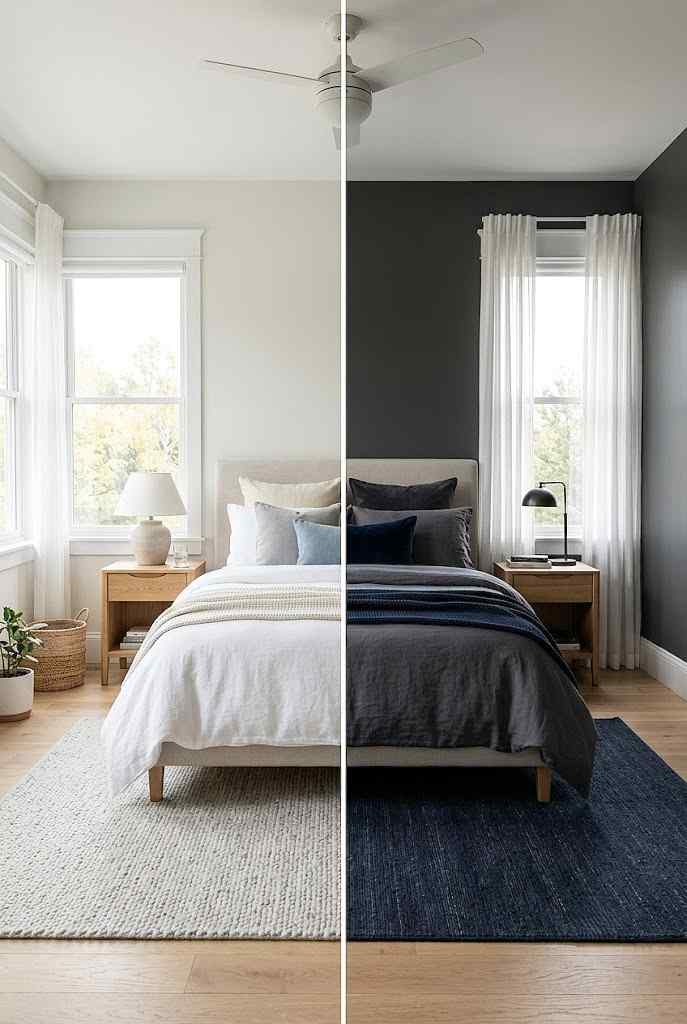
Let’s address the elephant in the room, because pretending white sofas require no care is ridiculous. They do demand attention. But “attention” doesn’t mean they’re impossible. It means intentionality.
The reality breaks down like this:
● Fabric choice matters enormously. Microfiber and performance linen-cotton blends genuinely resist staining better than loose-weave linen. If you have kids or pets, you want a performance fabric, not white linen that looks gorgeous for six months then falls apart.
● Slipcovers exist. They sound old-fashioned, but modern slipcovers look intentional, not like you’re protecting furniture. You can wash them, swap them seasonally, and actually change your sofa’s vibe without replacing it.
● Spot treatment becomes routine. Do you need to be more vigilant? Absolutely. Does that mean you can never enjoy the sofa? No. Immediate blotting, a little white vinegar and mild soap, done. Kids learn quickly that the white sofa gets treated differently.
The people who successfully own white sofas aren’t superhuman cleaners. They’re just people who made a conscious choice about their priorities and adjusted behavior accordingly. 🙂
Real talk: the first year of white sofa ownership feels like you’re policing your own living room. Don’t eat here. Don’t sit on the arm. Watch the pets. But here’s what happens around year two you stop treating it like a precious heirloom and start treating it like furniture. Your family adjusts their habits naturally. Kids learn to take shoes off. You stop bringing the snack bowl into the living room. These behavioral shifts happen gradually, and suddenly you realize the white sofa isn’t the problem; it’s actually improved how your household operates.
Professional cleaning services are also an option if you’re really concerned. Hiring someone once or twice a year (around $150–$300 per session) keeps your sofa looking showroom-fresh without the constant vigilance. For people who view that as worthwhile insurance for a major investment, it removes anxiety entirely.
Quality Actually Matters More With White
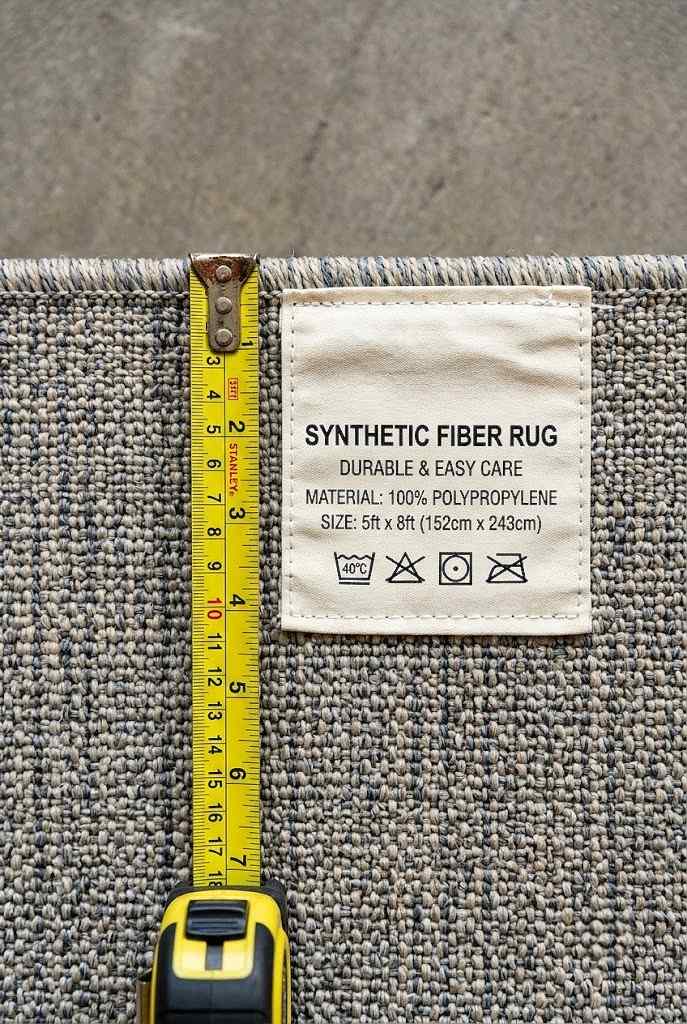
Here’s an angle that doesn’t get talked about enough: buying a cheap white sofa is exponentially worse than buying a cheap dark sofa. Cheap fabric shows wear, pilling, and color shift more visibly. Cheap foam deteriorates visibly. Cheap construction becomes obvious immediately on a white surface.
If you’re considering going white, you need to actually invest in quality. Look for sofas with hardwood frames (not particle board), high-density foam (1.8–2.0 lb density minimum), and genuinely good fabric. Budget $1,500–$3,500, depending on size and fabric. It sounds like a lot, but that sofa will last 10+ years if you treat it right.
Spend less, and you’ll be replacing it in five years anyway. You might as well go darker and cheaper in that scenario.
The fabric game is where most people stumble. High-performance fabrics engineered with stain resistance built into the fibers (not just sprayed on) are your best bet. Brands like Crypton, Sunbrella, and performance linen blends cost more upfront but actually maintain their appearance for twice as long as standard fabrics. You’re not just buying durability you’re buying the confidence that comes with owning a white sofa that actually stays white.
Frame construction matters equally. Hardwood frames should be kiln-dried and joinery should be eight-way hand-tied or sinuous spring systems for support. Particle board frames, even covered in expensive fabric, will develop squeaks and sags within three to five years. When you’re investing in a white sofa, you’re betting on a 10-plus-year commitment, so corner-cutting now guarantees regret later.
Making It Work in a Real Home

The white sofa works best when you stop treating it like a precious object and start treating it like furniture you’re actually going to use.
Pair it with durable flooring wood, concrete, or tile hides the fact that you live there. Rugs under and around the sofa (darker or patterned) define the space and give you a place to redirect spills. Store throw blankets nearby for instant protection during movie nights or when the cousins visit. Adjust your table placement so you’re not balancing drinks directly over the cushions.
This isn’t about sacrifice. It’s about acceptance. You’re choosing style and light and spaciousness. The trade-off is that you can’t pretend your living room is show-ready on a Tuesday afternoon. Most people are fine with that swap. 🙂
Consider the social aspect too. A white sofa becomes slightly more intentional, which means you might actually plan gatherings differently. Rather than hiding a worn-down dark sofa, you’re confident enough to host. People notice and remember rooms with white sofas they photograph well, they feel luxe, and they suggest you’ve got your life somewhat together (even if you secretly live in controlled chaos like everyone else).
Storage solutions also become your friend. Ottomans with hidden storage, baskets under side tables, and even under-sofa drawers keep cleaning supplies, blanket storage, and spill-management tools within arm’s reach. It transforms maintenance from a chore into an organized system rather than constant scrambling.
The Financial Angle Nobody Mentions
A white sofa resells better and rents more easily. If you ever move or need to downsize, a well-maintained white sofa holds value significantly better than a dark color that might have pet odor questions, fabric discoloration, or outdated associations. In rental markets, landlords and future renters see white upholstery as a blank canvas they can imagine their style in it.
It’s a small thing, but over a decade, that flexibility matters.
Insurance and warranty coverage is another overlooked advantage of investing in quality white sofas. Premium furniture retailers often bundle fabric protection plans and extended warranties that cover stains, tears, and general wear. These plans typically cost $300–$600 upfront but can save you thousands if major damage occurs. The resale value protection plus insurance means your risk is significantly lower than it initially appears.
FAQ’s
What’s the best fabric for a white sofa if you have pets?
Performance microfiber and high-thread-count cotton blends resist pet scratches and stains better than linen. Choose fabrics specifically labeled for pet-friendly homes.
Can you use a white sofa in a rental without losing your security deposit?
Yes, with proper care. Slipcovers, immediate stain treatment, and professional cleaning before move-out prevent permanent damage to white upholstery.
How often should you professionally clean a white sofa?
Once or twice yearly depending on usage keeps a white sofa looking fresh. High-traffic families might benefit from annual professional cleaning sessions.
Do white sofas look yellow over time?
Quality fabrics with proper UV protection resist yellowing. Direct sunlight exposure accelerates discoloration, so use curtains or rotate furniture placement strategically.
Is a white sofa practical for families with young children?
Absolutel! with washable slipcovers, performance fabrics, and consistent spot-cleaning habits. Kids adapt quickly to behavioral guidelines around white furniture.
CONCLUSION
This depends on honestly answering three questions: Do you have the budget for quality? Are you willing to be slightly more intentional about maintenance? Do you actually want a room that feels lighter and more open?
If you answered yes to all three, a white sofa is worth serious consideration. It’s not a trend about to vanish. It’s a fundamental shift in how people use living spaces, driven by the practical reality that most of us prefer homes that feel spacious and light over homes that play it safe with dark upholstery.
The white sofa represents permission to choose what makes your space feel good over what hides problems. And honestly? That’s kind of a bold move in interior design.